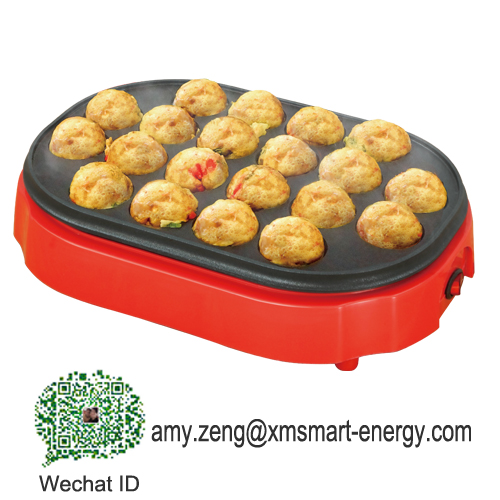
Takoyaki Makers
Source wholesale takoyaki makers directly from vetted manufacturers and suppliers. This catalog is built for importers, distributors, and brands seeking reliable OEM/ODM production. Find high-quality units with certified food-grade coatings and consistent heating for bulk import.
Sourcing takoyaki makers at scale requires balancing unit cost with the technical demands of high-heat, food-contact appliances. While the product concept is simple—a heated, dimpled plate—the primary manufacturing challenges lie in engineering even heat distribution across all molds and applying a highly durable, food-safe non-stick coating that can withstand repeated thermal cycling.
For buyers importing in volume, success depends on tight specification control and rigorous factory-level oversight, particularly in the small appliance manufacturing hubs of Zhongshan and Shunde in Guangdong, China.
Core Specifications and Component Selection
When developing a product with a factory or selecting an off-the-shelf model for private labeling, the internal components dictate the appliance's lifespan, safety, and consumer satisfaction.
Heating Element Design
The method used to heat the die-cast aluminum plate is the most critical factor in a takoyaki maker's performance. Uneven heating leads to high defect rates and poor user reviews, as the outer edge molds often fail to reach cooking temperatures.
| Heating Design | Cost Impact | Heat Distribution | Best Application |
|---|---|---|---|
| Standard U-Tube | Low | Uneven (edges run cool) | Entry-level promotional units |
| M-Shaped / W-Shaped Tube | Medium | Good | Mid-tier consumer models |
| Embedded Cast-in Element | High | Excellent | Premium or commercial-grade units |
Plate Material and Coating
The cooking plate is almost exclusively die-cast aluminum. The thickness of the casting matters: a thicker plate retains heat better and prevents warping, but increases raw material costs and shipping weight.
The non-stick coating applied to the aluminum is a common point of failure. Factories typically use PTFE (Teflon) or ceramic coatings. It is vital to specify multi-layer coatings (at least two layers) and require the factory to cure the coating at the correct temperature to ensure adhesion.
Ensure your supplier meets strict food-contact and electrical safety standards. Get expert help vetting factories and managing your production run.
Talk to our teamManufacturing Quality and Defect Control
Quality control cannot be an afterthought in small appliance manufacturing. Defects in takoyaki makers often stem from rushed assembly or substandard raw materials. Implementing rigorous Quality Control & Inspection protocols during production is essential.
Critical In-Line Quality Checks
- Cross-hatch adhesion testing on the non-stick coating to ensure it will not flake off during use.
- Hi-Pot (High Potential) testing on 100 percent of units to verify electrical insulation and prevent shock hazards.
- Earth continuity testing for appliances utilizing a grounding pin.
- Thermal imaging or multi-point thermocouple testing on sample units to verify temperature consistency across all molds.
- Visual inspection of the plastic housing (usually Bakelite or PP) for flash, sink marks, or poor mating lines.
Regulatory Compliance and Certifications
Because takoyaki makers are both electrical appliances and food-contact products, they face strict regulatory hurdles. You must ensure the factory holds valid, verifiable test reports for your specific target market.
- Electrical Safety: CE and RoHS are mandatory for Europe. For North America, look for UL or ETL marks. For Japan (a major market for this product), PSE certification is strictly required.
- Food Contact Materials (FCM): The non-stick coating must pass LFGB testing for the EU (which is generally stricter) or FDA standards for the US.
If you are customizing the product through OEM/ODM Services, be prepared to invest in new compliance testing for the modified design, as existing factory certificates will not cover altered components or new brand names.
Typical Pricing, MOQs, and Lead Times
Understanding realistic baseline figures helps you negotiate effectively and spot suppliers who may be cutting corners to offer unusually low prices.
Note: Models with removable cooking plates (for easier cleaning) require more complex internal tooling and safety cut-offs, pushing the unit price toward the higher end of the spectrum.
Need help negotiating MOQs, finalizing product specifications, or managing international freight? Let our sourcing experts streamline your supply chain.
Get a free consultationFrequently Asked Questions
Successfully importing takoyaki makers requires a manufacturer capable of consistent electrical assembly and high-quality coating application. Conducting thorough Factory Audits before placing a deposit is the most effective way to separate genuine manufacturers from trading companies and ensure your production run meets your quality standards from the first unit to the last.
Get Sourcing Help for Takoyaki Makers
Tell us your requirements and our experts will connect you with verified manufacturers.