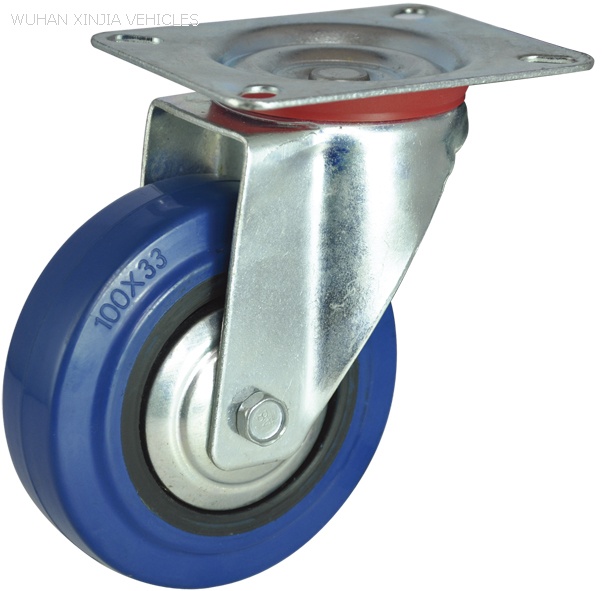
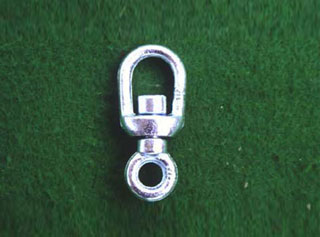
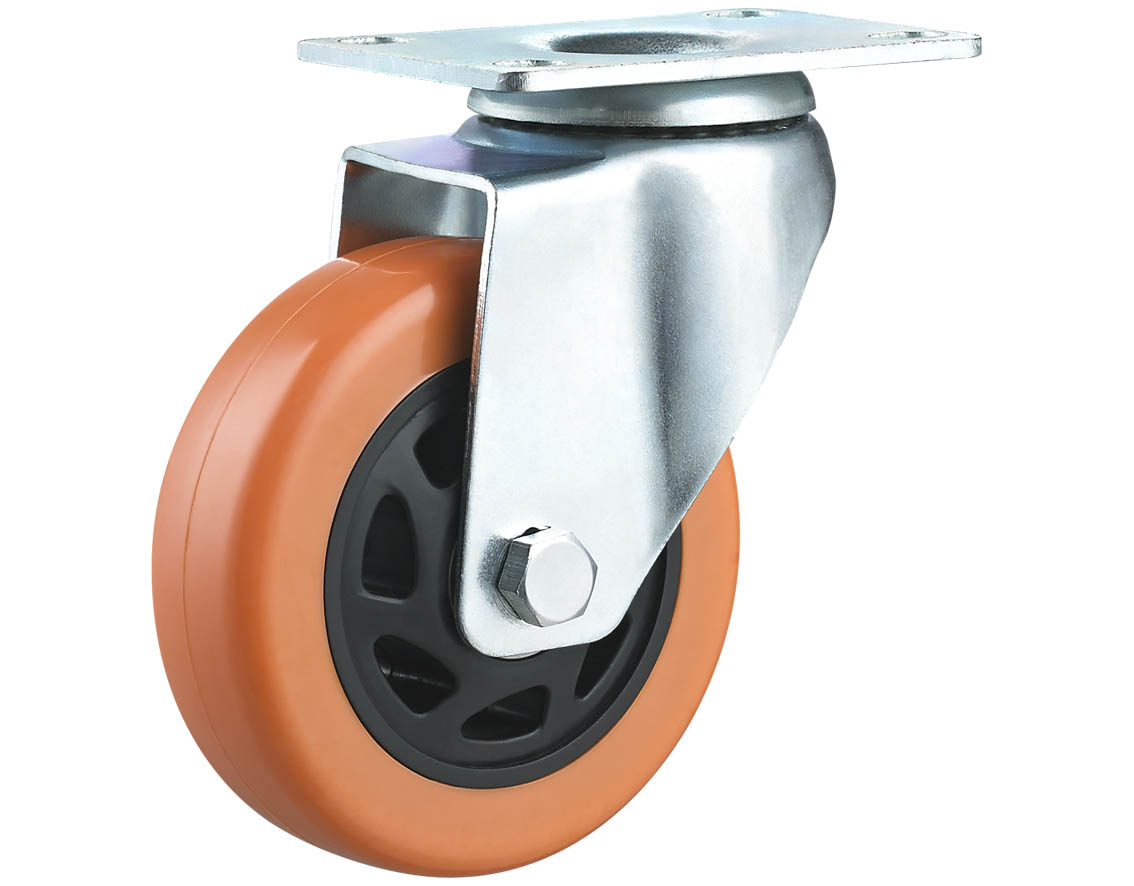
Swivels
Source high-quality swivels directly from vetted manufacturers. Designed for importers, industrial distributors, and hardware wholesalers buying in bulk, our network offers reliable OEM and private-label production for rigging, marine, and general hardware applications.
Sourcing swivels at scale is rarely just about matching a form factor. Whether you are supplying heavy-duty lifting and rigging markets, marine hardware sectors, or light-duty consumer applications like pet leashes, the primary sourcing challenge is verifying load capacities and material integrity. A failed swivel under load is a significant liability, meaning your supply chain must be built on strict quality assurance and precise material specifications.
Critical Specifications for Bulk Buyers
When negotiating with hardware manufacturers, precision in your technical requirements dictates the quality of the final product. Generic requests for "stainless steel swivels" will often result in quotes for inferior grades or inadequate bearing structures.
You must clearly define the following parameters for your supplier:
- Working Load Limit (WLL) and Breaking Strength (BS): The manufacturer must know the required safety factor (typically 4:1 or 5:1 for lifting applications). If a swivel has a WLL of 1,000 kg with a 4:1 safety factor, the breaking strength must be tested to withstand at least 4,000 kg.
- Material Grade: Specify the exact alloy. For marine environments, demand AISI 316 stainless steel for superior corrosion resistance. For lifting and heavy industrial use, specify drop-forged carbon steel (often heat-treated). For light-duty applications, zinc alloy (Zamak) is common but must be specified clearly to avoid brittle die-casts.
- Surface Treatment: If sourcing carbon steel, define the coating. Hot-dip galvanization offers thick, durable protection for outdoor use, while electro-galvanizing is thinner and suited for less corrosive environments.
| Bearing Type | Plain / Friction Bearing | Ball Bearing |
|---|---|---|
| Design | Metal-on-metal rotation | Enclosed steel balls |
| Rotation Under Load | Poor; binds under heavy tension | Excellent; rotates freely under high tension |
| Primary Application | Positioning, light-duty, static loads | Lifting, dynamic loads, high-speed rotation |
| Cost Profile | Economical | Premium |
Manufacturing Processes and Factory Verification
The method used to manufacture the swivel body directly impacts its structural integrity. Drop forging aligns the grain structure of the steel, making it the only acceptable method for overhead lifting swivels. Conversely, investment casting is widely used for stainless steel marine swivels, offering excellent dimensional accuracy and finish, though it cannot match the sheer tensile strength of a forged component.
Need to ensure your manufacturer is using the correct production methods? We can verify factory capabilities and production lines on your behalf.
Talk to our teamFactories often cut corners in ways that are invisible to the naked eye. In cast swivels, internal porosity (air bubbles) can drastically reduce breaking strength. In forged swivels, improper heat treatment can leave the steel too brittle or too soft.
To mitigate these risks, professional buyers rely on strict quality control and inspection protocols.
Essential QC Checks for Swivels
- Spectrometer testing to verify raw material alloy composition (e.g., verifying 316 vs. 304 stainless).
- Destructive tensile testing on batch samples to confirm WLL and Breaking Strength.
- Salt spray testing to validate the thickness and durability of galvanized or plated coatings.
- Visual and dimensional inspection for casting voids, flash, or misaligned swivel pins.
- Rotation testing under partial load to ensure bearing functionality.
Before placing a high-volume order, especially for critical load-bearing hardware, conducting comprehensive factory audits is highly recommended to ensure the supplier actually owns the necessary tensile testing equipment and has a documented quality management system.
Typical MOQs, Pricing Drivers, and Lead Times
Hardware manufacturing is heavily dependent on economies of scale. While off-the-shelf standard swivels might be available in smaller quantities, bulk production and custom branding require standard minimums.
Pricing is highly volatile and tracks closely with global raw material indices (particularly iron ore, nickel, and zinc). The inclusion of high-quality stainless steel ball bearings will significantly increase the unit cost compared to a standard friction-bearing swivel.
If you are developing a proprietary design or require specific load-rating stamps and branding on the hardware, utilizing OEM/ODM services will involve upfront tooling costs. Forging dies are considerably more expensive than casting molds, which should be factored into your initial capital allocation.
Looking to consolidate your hardware supply chain? Let us negotiate pricing and manage production with vetted manufacturers.
Get a free consultationFrequently Asked Questions
Securing a reliable supply of industrial or commercial swivels requires looking past the initial unit price and focusing heavily on material validation and factory capabilities. By setting rigid specifications and verifying them through systematic testing, you protect your brand from the costly fallout of hardware failure.
Get Sourcing Help for Swivels
Tell us your requirements and our experts will connect you with verified manufacturers.