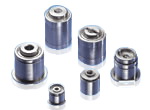
Swivel Plates
Source high-quality wholesale swivel plates directly from vetted manufacturers and suppliers across Asia. Built for furniture importers, distributors, and brands requiring reliable OEM production, our network delivers precision-engineered rotation mechanisms for commercial seating, barstools, and industrial applications.
Swivel plates are the literal pivot point of seating furniture, bearing both static weight and dynamic rotational stress. Sourcing these components in bulk requires balancing smooth, silent operation with long-term structural integrity. When a swivel plate fails—whether through bearing deformation, metal fatigue, or rivet failure—it compromises the entire furniture piece. For procurement teams, the challenge lies in specifying the correct load capacity, steel thickness, and bearing configuration before mass production begins.
Key Specifications and Manufacturing Tolerances
The core of a swivel plate’s performance is dictated by its material gauge and the precision of its stamping and assembly process. Most commercial swivel plates are manufactured from cold-rolled steel (commonly Q235 in Chinese manufacturing hubs like Guangdong and Zhejiang) due to its excellent stamping properties and structural rigidity.
When detailing your technical requirements to a manufacturer, standardizing the following specifications is crucial:
- Plate Thickness: Standard residential barstools often use 1.5mm to 2.0mm steel. Commercial or heavy-duty applications require a minimum of 2.5mm to 3.0mm to prevent warping under load.
- Bearing Configuration: The smoothness and lifespan of the rotation depend on the ball bearings. Full ball-bearing tracks distribute weight evenly, whereas partially filled tracks (a common cost-cutting measure) lead to grinding and premature wear.
- Pitch and Hole Patterns: Standard pitches exist (e.g., 5.25-inch, 6-inch, 8-inch), but slotted holes are often preferred to accommodate minor variations in the furniture frame.
- Finish and Coating: Black powder coating is standard for interior furniture, providing sufficient rust resistance. For marine or outdoor applications, hot-dip galvanization or zinc plating is mandatory.
| Specification | Standard Residential | Commercial / Heavy-Duty |
|---|---|---|
| Steel Thickness | 1.5mm to 2.0mm | 2.5mm to 3.0mm+ |
| Bearing Track | Single track, partial fill | Full ball bearing, dual track |
| Static Load Capacity | Up to 150 kg | 250 kg and above |
| Rotation Style | 360-degree free | Auto-return (spring-loaded) |
Need to match a specific load capacity or hole pattern? Let us find the right manufacturing partner for your exact specifications.
Talk to our teamQuality Control and Common Factory Defects
In swivel plate manufacturing, defects usually stem from poorly maintained stamping dies or rushed assembly. A manufacturer's ability to maintain tight tolerances during the rivet pressing stage determines whether the plate will wobble or bind. Verifying these processes through comprehensive factory audits before placing an order is highly recommended.
Once production is underway, your quality control and inspection protocol should focus on mechanical testing rather than just visual checks.
Pre-Shipment Inspection Focus Areas
- Rotational Resistance: Check for uniform torque and absence of grinding noises.
- Rivet Stamping Depth: Ensure the central rivet is pressed deeply enough to eliminate vertical play, but not so tight that it restricts movement.
- Lubrication: Verify the application of industrial-grade grease in the bearing tracks. Dry tracks cause rapid failure.
- Spring Tension (Auto-Return models): Test the memory spring for consistent return-to-center functionality after 10,000+ cycles.
- Coating Adhesion: Perform cross-hatch testing to ensure powder coating won't flake under friction.
Sourcing Realities: MOQs, Pricing, and Customization
The wholesale market for furniture hardware operates on tight margins heavily influenced by global steel prices.
Pricing Drivers: The primary cost factor is the weight of the steel used. A 2.5mm plate will inherently cost significantly more than a 1.5mm plate. Secondary cost drivers include the complexity of the mechanism—auto-return swivel plates with heavy-duty memory springs are more expensive to produce than standard 360-degree free-swivel plates.
Minimum Order Quantities (MOQs): For standard, off-the-shelf sizes, MOQs typically range from 1,000 to 2,000 pieces. If you require custom hole patterns, specific powder coat colors, or non-standard dimensions, factories will require new stamping dies. Under OEM/ODM services, custom tooling is relatively inexpensive for flat steel stamping, but MOQs will generally rise to 3,000 to 5,000 pieces to justify the production run.
Lead Times: Standard production runs usually take 25 to 35 days. Custom tooling adds approximately 15 to 20 days to the initial order timeline for die creation and sample approval.
Looking to consolidate your furniture hardware sourcing? We can help you negotiate better terms and manage the entire supply chain.
Get a free consultationFrequently Asked Questions
Securing a reliable supply of swivel plates means looking past the unit price and evaluating the factory's raw material sourcing, die maintenance, and assembly precision. Working with a partner who understands the mechanical demands of furniture hardware ensures your components perform flawlessly, shipment after shipment.
Get Sourcing Help for Swivel Plates
Tell us your requirements and our experts will connect you with verified manufacturers.