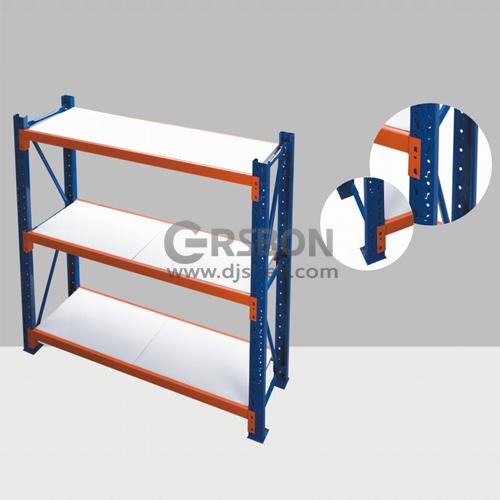
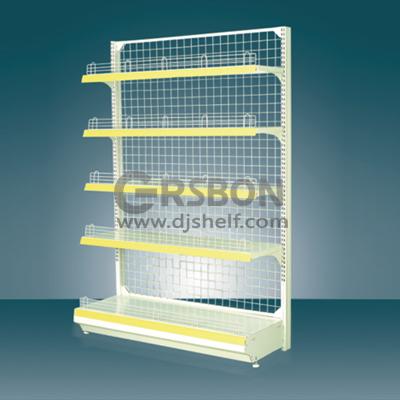
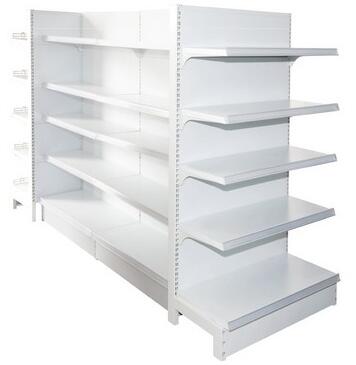
Supermarket Shelves
Source commercial-grade supermarket shelves directly from vetted manufacturers and wholesale suppliers. Designed for retail distributors, equipment importers, and store chains requiring scalable OEM production, our verified factory network delivers durable, high-load shelving systems engineered for demanding retail environments.
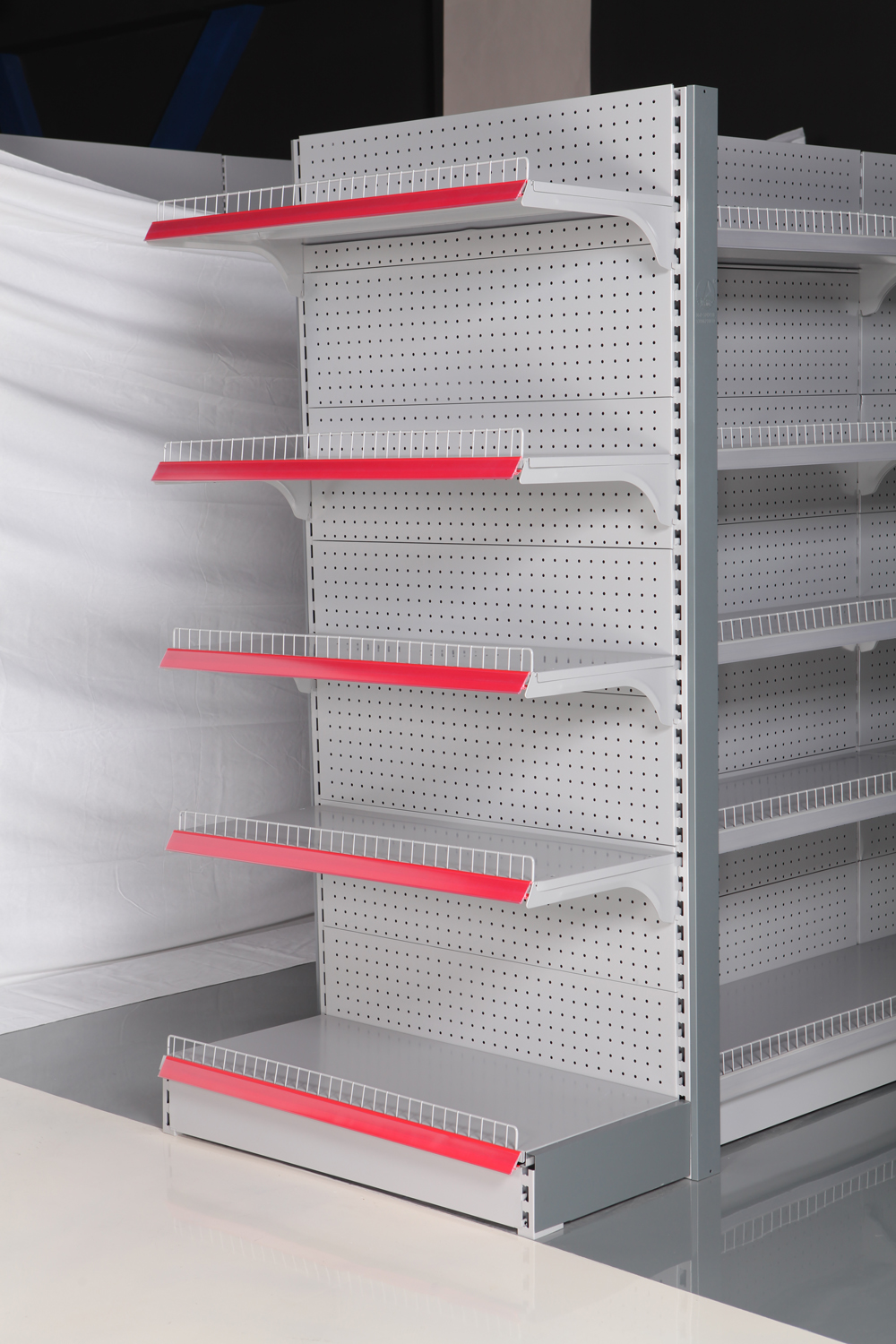
Sourcing supermarket shelves in volume requires balancing load-bearing reliability with modular flexibility. For commercial retail environments, shelving systems—often referred to as gondola shelving—must endure continuous restocking, resist corrosion, and assemble seamlessly. The primary sourcing challenge is verifying that a factory's stated steel specifications and surface treatments match the reality of mass production, as compromised materials directly impact safety and longevity on the shop floor.
Core Specifications and Material Standards
The structural integrity of retail shelving relies almost entirely on the grade and thickness of the steel used. Most reputable Asian manufacturers utilize Q235 cold-rolled steel, favored for its excellent formability and tensile strength. However, buyers must specify exact thicknesses for each component, as factories often quote lower prices by thinning out non-visible structural elements.
| Component | Standard Duty | Heavy Duty |
|---|---|---|
| Upright (Post) Thickness | 1.5mm to 1.8mm | 2.0mm to 2.5mm |
| Shelf Panel Thickness | 0.5mm to 0.7mm | 0.8mm to 1.2mm |
| Bracket Thickness | 2.0mm | 2.5mm to 3.0mm |
| Load Capacity (Per Tier) | 40kg to 80kg | 100kg to 150kg+ |
Beyond steel thickness, the surface treatment is the second most critical specification. A high-quality epoxy powder coating (typically 60 to 80 microns thick) is standard. Inferior powder coating will chip during assembly or rust prematurely, especially in humid environments or stores handling liquids.
Ensure your structural specifications and material grades are strictly enforced on the factory floor.
Talk to our teamManufacturing Tolerances and Quality Control
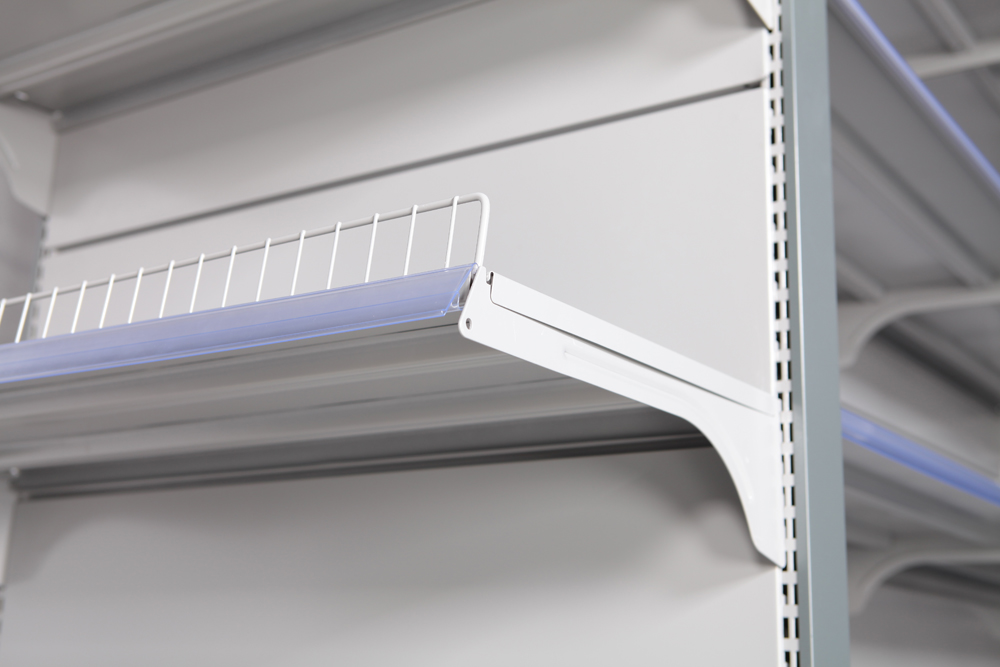
Supermarket shelves are highly modular; uprights, base boards, back panels, and brackets must interlock perfectly. If a factory's automated punching machines are poorly calibrated, the pitch (the distance between the slots on the upright, typically 50mm or 25mm) will drift. Even a millimeter of variance across a two-meter upright will make assembling a continuous aisle impossible.
When evaluating suppliers or conducting factory audits, pay close attention to their welding and tooling capabilities. The junction where the base leg welds to the vertical upright is the primary failure point under heavy loads.
Critical Pre-Shipment Inspection Points
- Verify slot pitch consistency on uprights using standardized bracket gauges.
- Inspect the base-to-upright weld for porosity, slag, or incomplete penetration.
- Test powder coating adhesion using a standard cross-hatch cutter test.
- Conduct a physical load test on a fully assembled bay to check for deflection over 24 hours.
- Ensure knocked-down (KD) packaging includes adequate edge protection to prevent transit damage.
Because defects in commercial shelving are often invisible until assembly, implementing strict quality control measures before the container is loaded is essential to avoid costly write-offs upon arrival.
Pricing, MOQs, and Lead Times
Pricing for supermarket shelves is heavily indexed to global steel spot prices. Quotes are typically valid for a short window (15 to 30 days). Be wary of suppliers offering prices significantly below market average; this almost always indicates downgraded steel thickness or the use of recycled, lower-grade metals.
Because shelving is dense and heavy, shipping costs form a substantial part of your landed cost. Shelves are shipped knocked-down (KD) to maximize container space. Efficient packing and strategic product sourcing from regions with robust logistics infrastructure can significantly reduce your per-unit freight burden.
Navigate fluctuating steel prices and optimize your container loading for better landed costs.
Get a free consultationFrequently Asked Questions
Sourcing reliable supermarket shelves is about disciplined specification management and rigorous factory oversight. By clearly defining steel gauges, enforcing tight manufacturing tolerances, and verifying quality before shipment, you can secure commercial fixtures that perform flawlessly in the field.
Get Sourcing Help for Supermarket Shelves
Tell us your requirements and our experts will connect you with verified manufacturers.