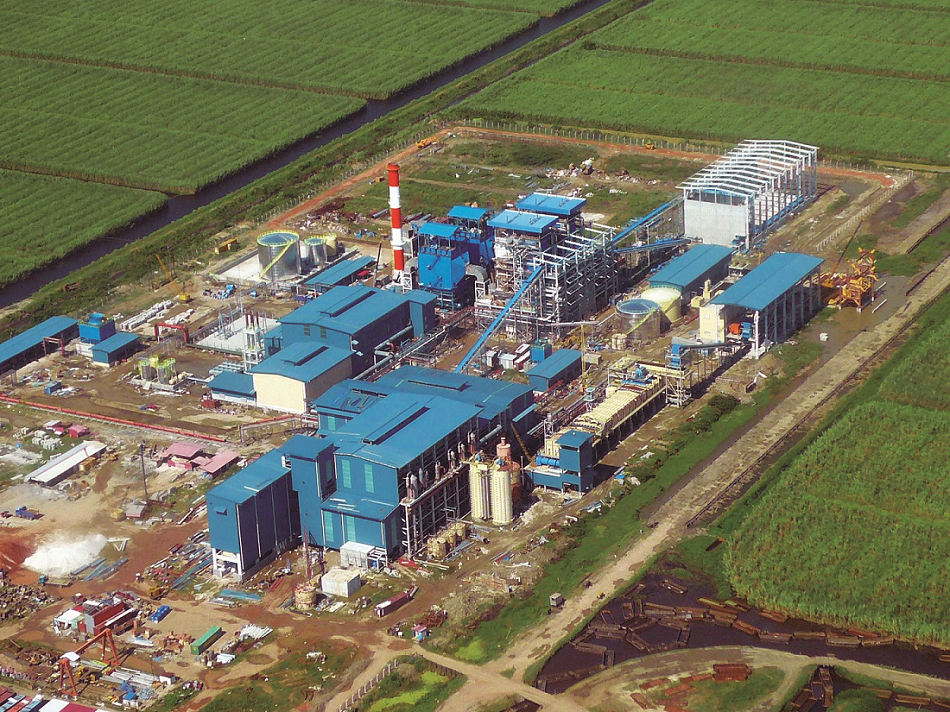
Sugar Refinery Engineering
Source turnkey Sugar Refinery Engineering solutions and heavy processing equipment from vetted manufacturers and EPC contractors in Asia. Designed for project developers, agro-industrial investors, and procurement managers, our network provides bulk equipment packages and full-plant contracting tailored to your capacity requirements.
Procuring equipment or contracting full EPC (Engineering, Procurement, and Construction) services for a sugar refinery requires balancing immense capital expenditure with long-term operational efficiency. Whether you are upgrading a specific boiling house station, expanding a cane milling tandem, or commissioning a greenfield beet sugar plant, the technical competence of your manufacturing partner dictates your future thermal efficiency, extraction rates, and maintenance overhead.
Sourcing heavy industrial equipment from overseas manufacturers demands rigorous vendor qualification, precise engineering alignment, and aggressive quality oversight during fabrication.
Core Specifications for Sugar Plant Procurement
When negotiating with engineering contractors or heavy machinery manufacturers, the baseline parameters of your plant determine the sizing and metallurgical requirements of the entire equipment package.
Beyond capacity, buyers must specify the target end-product quality, typically measured in ICUMSA units (IU). A plant designed for raw sugar (VHP) requires vastly different clarification and centrifugation setups compared to a refinery engineered for European standard white sugar (under 45 IU).
Manufacturing Quality and Equipment Standards
Sugar refinery equipment operates under severe conditions: high temperatures, abrasive fibrous materials, and corrosive acidic juices. The longevity of evaporators, vacuum pans, and centrifuges relies entirely on the factory's fabrication capabilities.
Pressure Vessel Compliance
Evaporators, juice heaters, and vacuum pans must be fabricated by facilities holding valid ASME (U-Stamp), CE (PED), or equivalent GB certifications. Do not assume standard industrial fabricators hold the specialized welding qualifications required for high-pressure steam vessels.
Before committing to a multi-million dollar equipment package, thorough on-site factory audits are essential to verify the supplier's heavy machining capabilities, non-destructive testing (NDT) facilities, and historical track record with similar scale projects.
Critical Factory Acceptance (FAT) Checks
Heavy Equipment Inspection Points
- Weld seam radiography (RT) and ultrasonic testing (UT) on all pressure vessels.
- Dynamic balancing certificates for centrifuge baskets at operating RPM.
- Hard-facing thickness and metallurgical composition on mill roller shells.
- Hydrostatic pressure testing of calandrias and juice heaters.
- Dimensional tolerance checks on heavy gearboxes and mill drives.
Need to vet an EPC contractor or heavy equipment manufacturer? Let our technical sourcing team evaluate their capabilities and compliance history.
Consult our engineering teamProject Timelines, Logistics, and Cost Drivers
Sugar refinery engineering projects operate on extended timelines. A complete greenfield plant typically requires 12 to 18 months from final design approval to mechanical completion, while standalone equipment packages (like a new falling film evaporator or batch centrifuge station) may take 6 to 9 months to fabricate.
Pricing is heavily indexed to global steel commodities, the grade of stainless steel specified (e.g., 304L vs 316L for wetted parts), and the origin of critical components. Many Chinese EPC contractors utilize domestic heavy fabrication for vessels and structures, but integrate European or Japanese gearboxes, DCS control systems, and specialized pumps to meet international buyer preferences.
Managing Heavy Logistics and QC
Transporting a sugar plant involves complex breakbulk and Out of Gauge (OOG) shipping. Evaporator vessels and mill housings cannot fit in standard containers. Coordinating shipping and freight for project cargo requires specialized heavy-lift vessels and precise port-to-port scheduling.
Furthermore, relying solely on final inspections is a critical error in heavy engineering. Implementing independent, stage-by-stage quality control during fabrication ensures that metallurgical deviations or welding defects are corrected before the equipment is assembled and painted.
Planning a refinery upgrade or greenfield project? Speak with our specialists about managing vendor sourcing, fabrication oversight, and project logistics.
Discuss your projectFrequently Asked Questions
Successfully sourcing sugar refinery engineering services requires looking past the initial bid price and deeply evaluating the manufacturer's fabrication pedigree, engineering depth, and project management capabilities. Partnering with a specialized sourcing team ensures your capital equipment is built to specification, delivered on schedule, and engineered for decades of reliable production.
Get Sourcing Help for Sugar Refinery Engineering
Tell us your requirements and our experts will connect you with verified manufacturers.