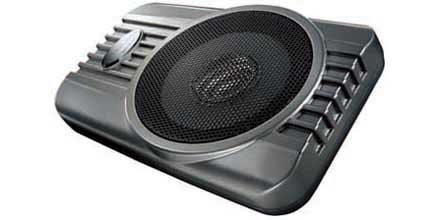
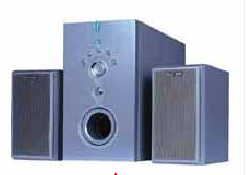
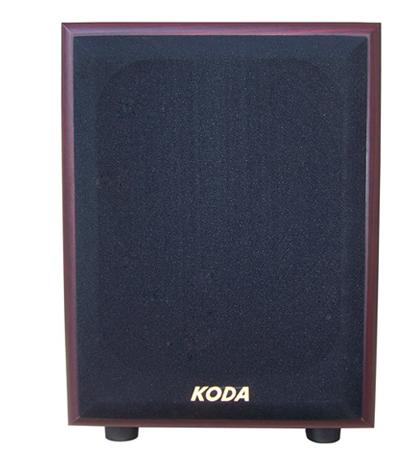
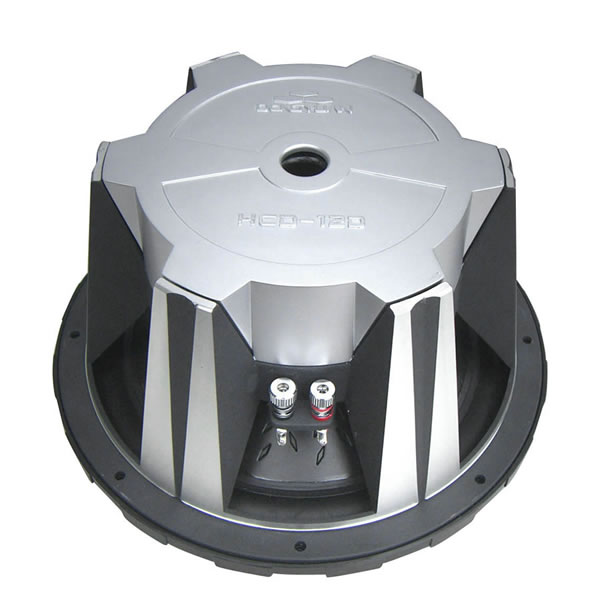
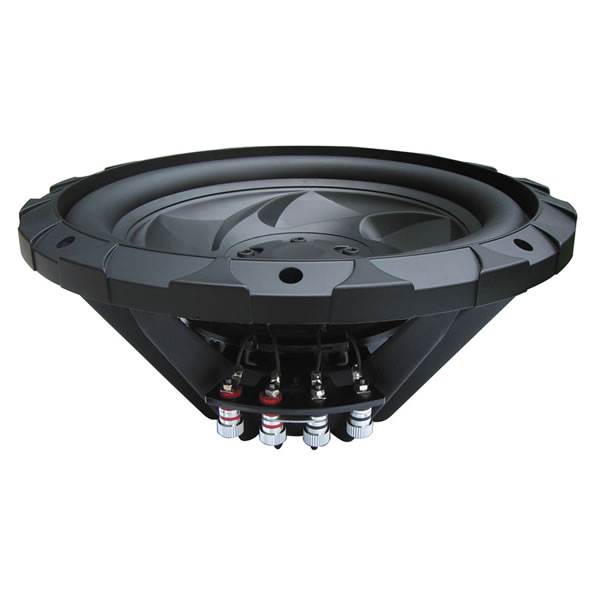
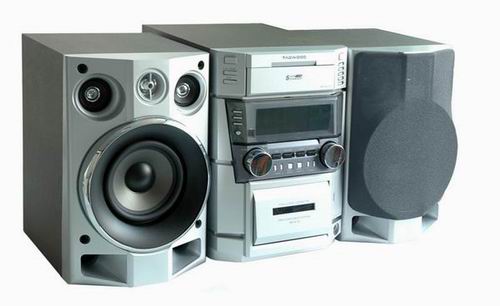
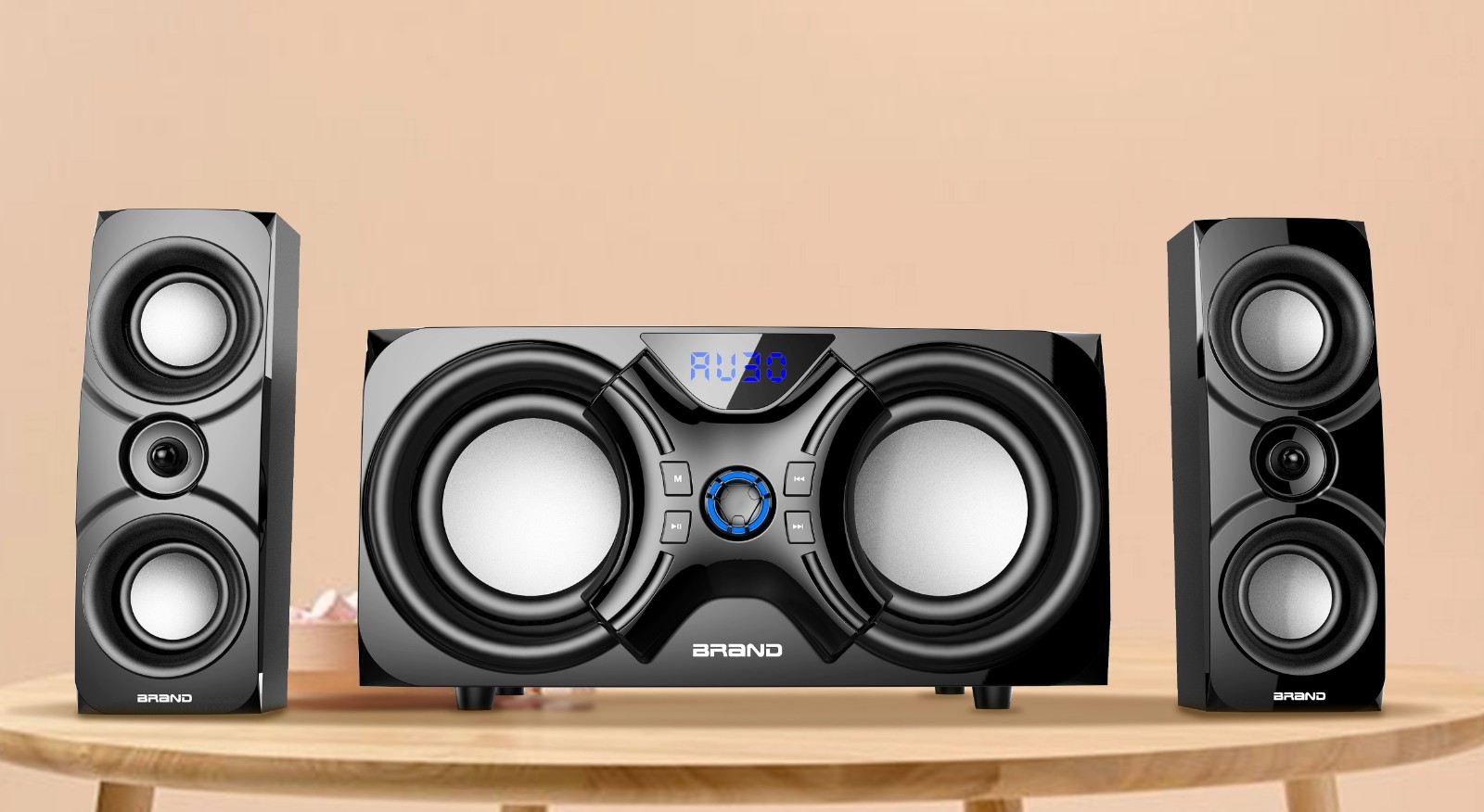
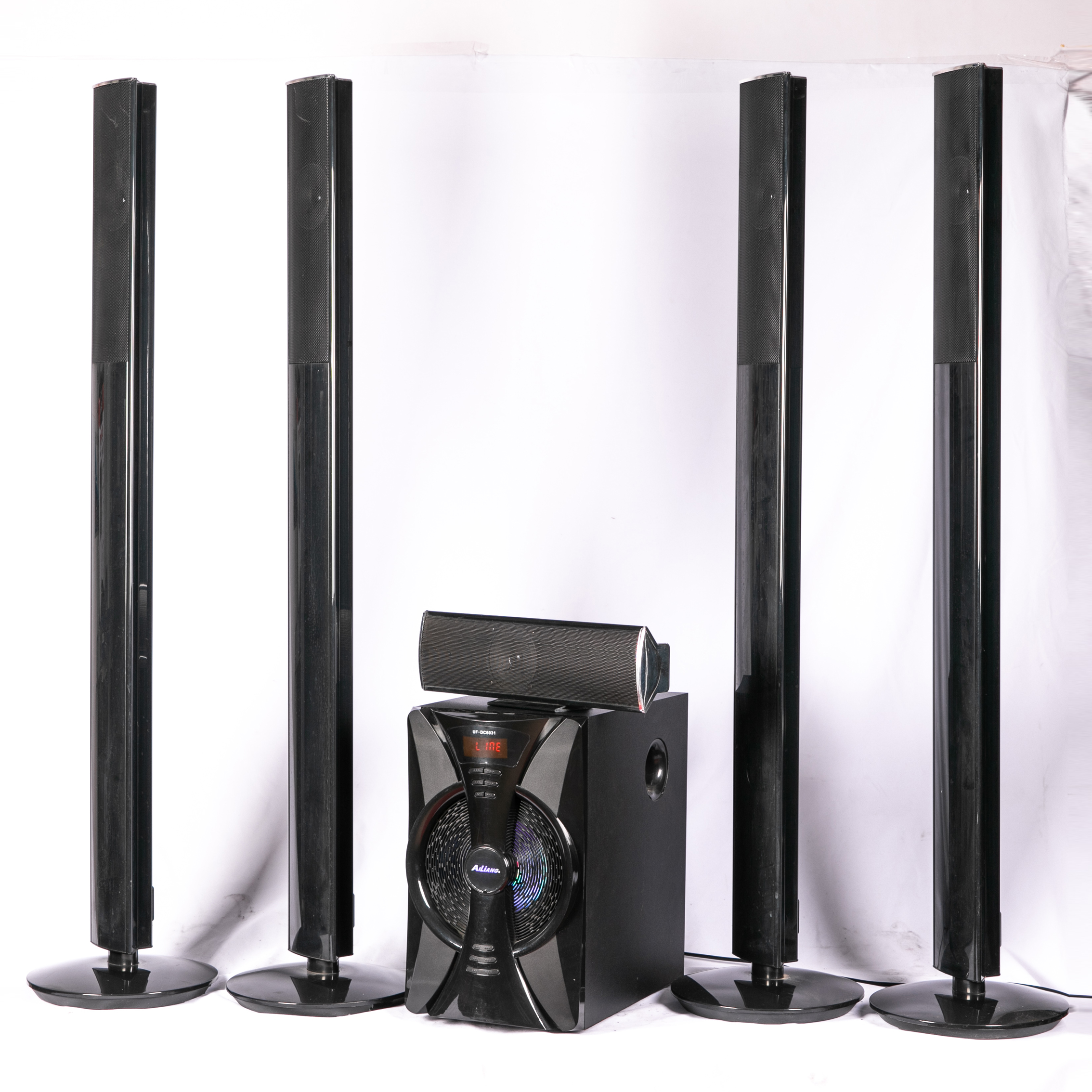
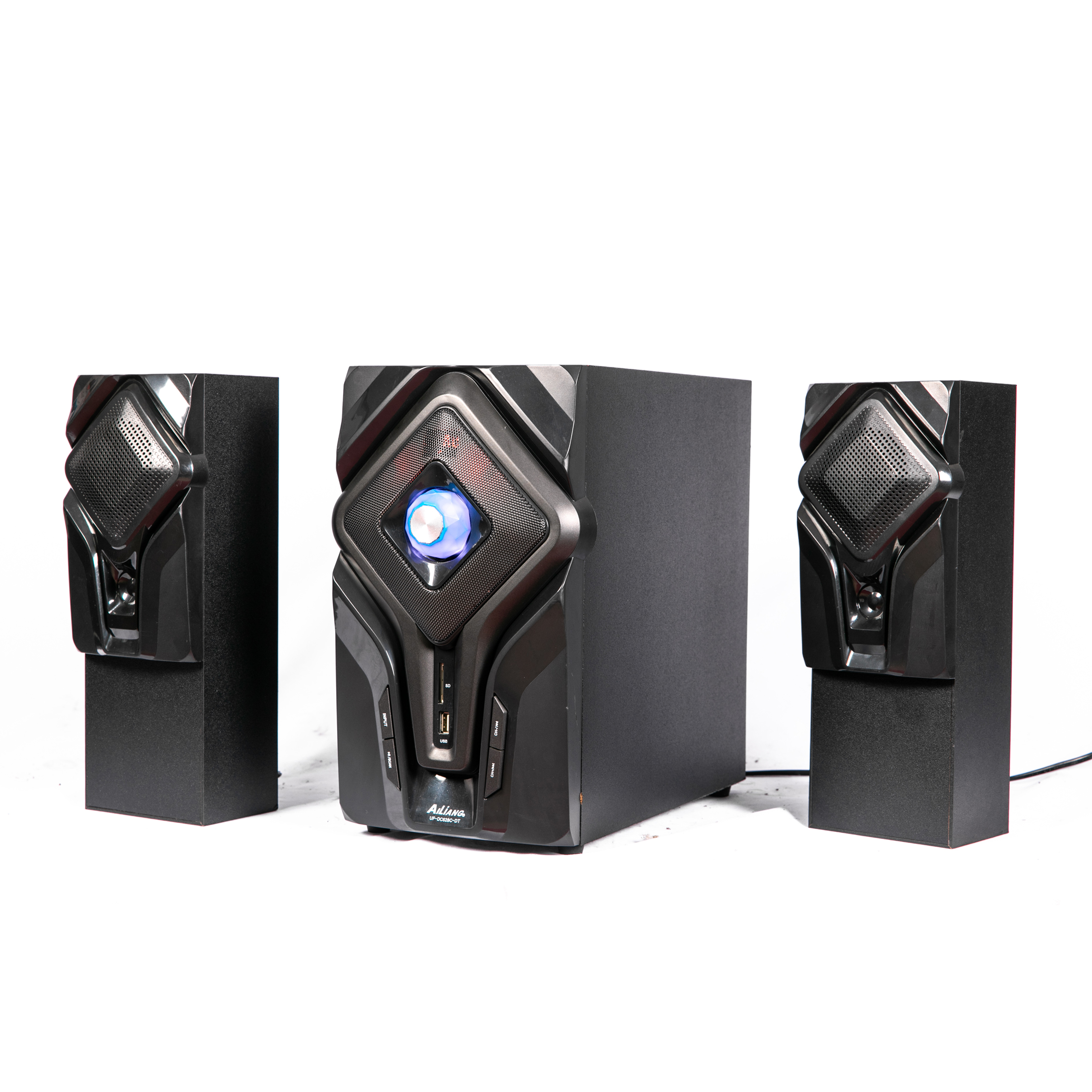
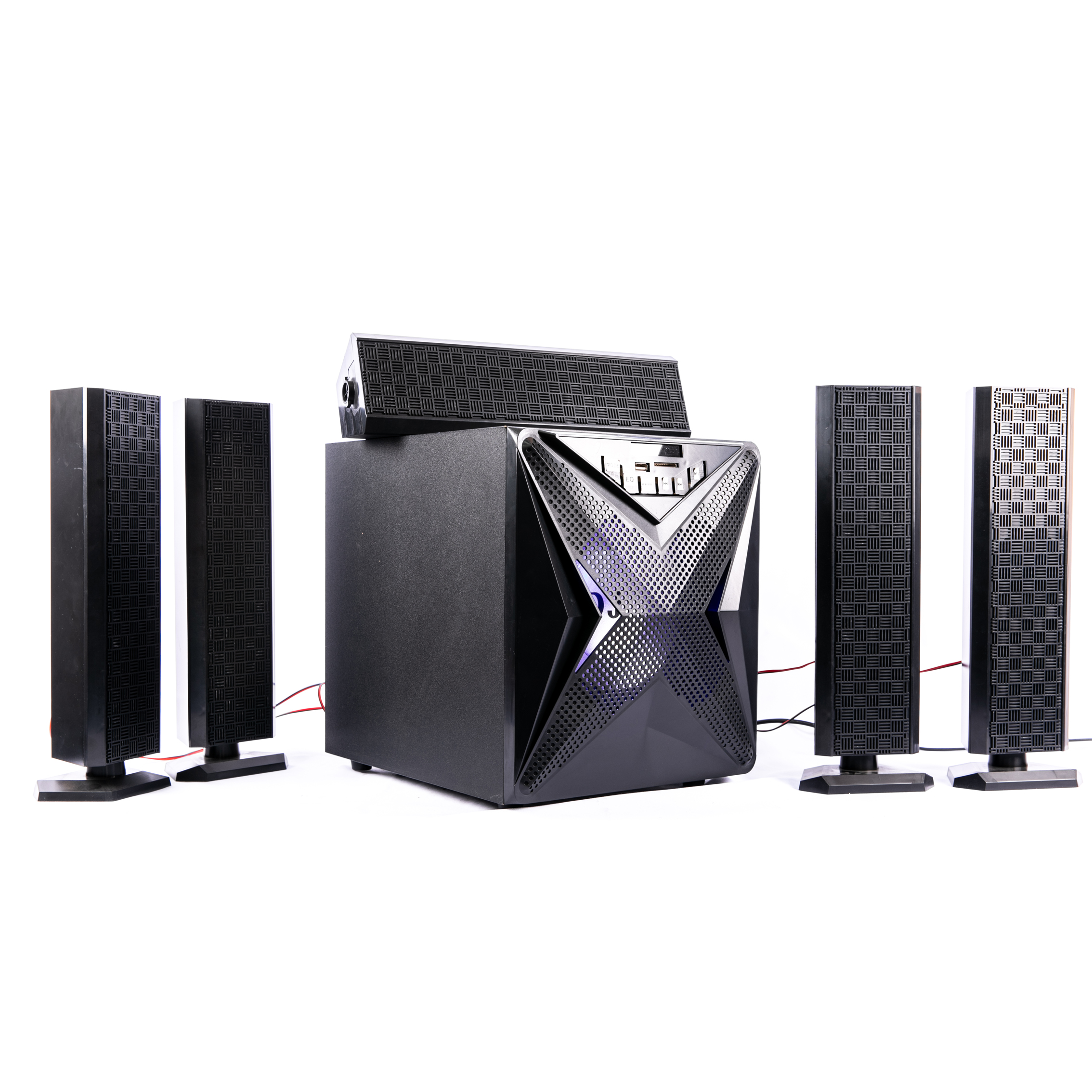
Subwoofers
Source high-performance subwoofers from vetted suppliers and manufacturers in China and across Asia. Designed for electronics importers, wholesale distributors, and home audio brands, our network supports bulk purchasing and custom OEM/ODM production to meet your exact acoustic specifications and market requirements.
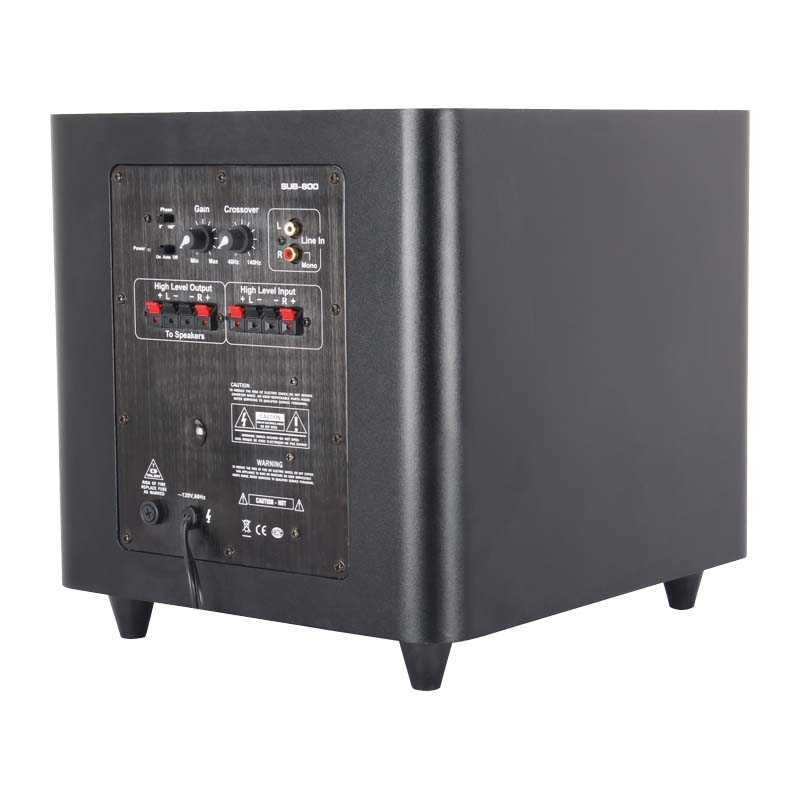
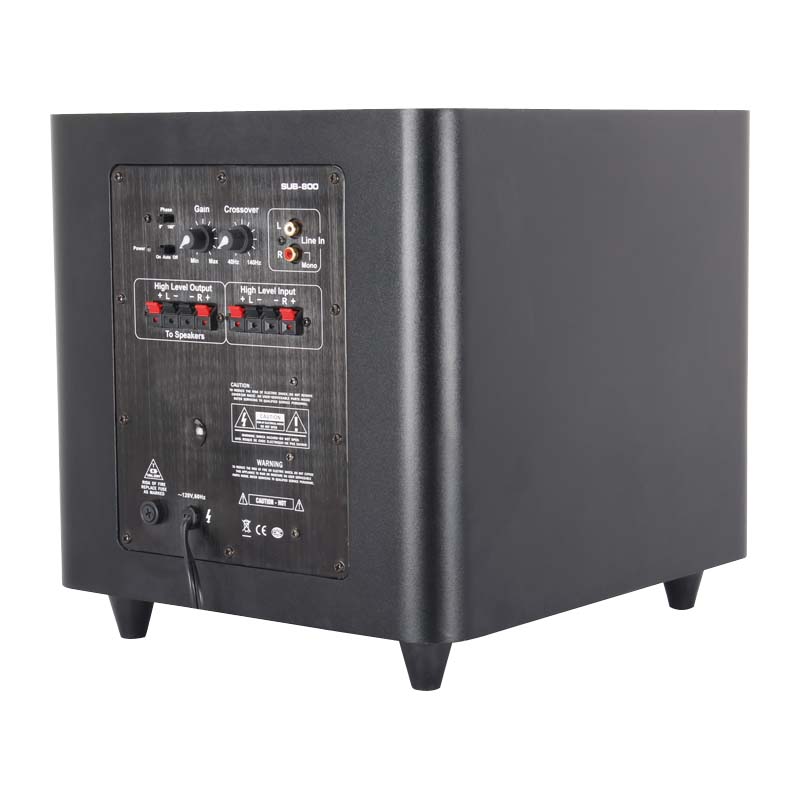
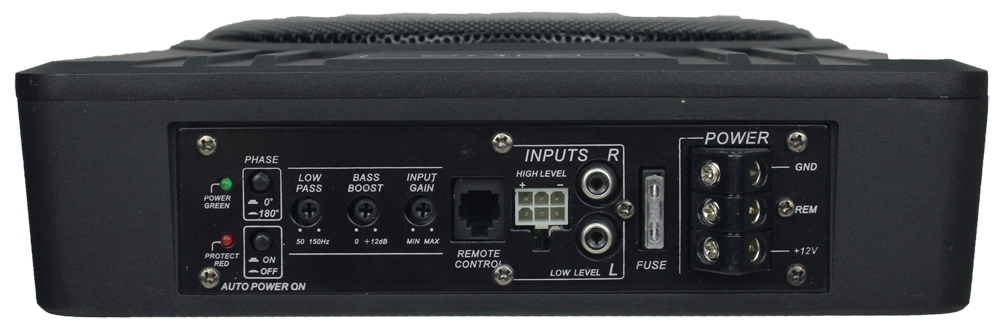
Sourcing subwoofers at scale requires balancing acoustic performance, component durability, and unit cost. Whether you are procuring passive drivers for custom installations or active subwoofers with integrated Class D amplification for home theater bundles, the factory's engineering capabilities dictate the final product. A supplier's ability to wind voice coils accurately, align magnet structures, and properly seal enclosures separates premium audio from high-return-rate liabilities.
Specifying Subwoofers for Bulk Production
When approaching manufacturers for custom or private-label production, your bill of materials (BOM) and technical specifications must be exact. Factories often default to components that maximize margin if specifications are left open to interpretation.
| Specification | Common Factory Default | Recommended B2B Standard |
|---|---|---|
| Power Handling | Peak Power (often inflated) | Continuous RMS Power |
| Voice Coil Material | Copper-Clad Aluminum (CCAW) | Pure Copper or High-Temp Kapton |
| Magnet Type | Y25 or lower grade Ferrite | Y30/Y35 Ferrite or Neodymium |
| Cabinet Material (Active) | 9mm MDF or Particle Board | 15mm+ MDF with internal bracing |
When utilizing OEM/ODM Services for custom audio gear, ensure your agreement explicitly defines the RMS power handling using standard testing protocols (like AES2-1984 or IEC 60268-5), rather than relying on arbitrary "Max Wattage" marketing figures.
Factory Capabilities: Where Acoustic Quality is Won or Lost
The assembly of a subwoofer driver is highly sensitive to manufacturing tolerances. Even minor deviations in the alignment of the cone, spider, and voice coil within the magnetic gap can cause rubbing, distortion, or catastrophic failure at high excursions.
Before committing to a production run, executing comprehensive Factory Audits is critical to verify the supplier's assembly line and testing infrastructure.
Critical Factory Floor Verifications
- Adhesive Application: Check if the factory uses automated dispensing for the spider and surround glues to prevent uneven curing and air leaks.
- Voice Coil Centering: Ensure the use of precision shims during assembly to guarantee the voice coil does not scrape against the pole piece.
- Magnet Magnetization: Verify that magnets are charged after assembly to prevent metal debris from entering the magnetic gap during production.
- Amplifier QA (Active Models): Confirm burn-in testing protocols for integrated Class D amplifier boards to catch early thermal failures.
Partner with sourcing experts who understand acoustic manufacturing. We vet audio factories to ensure they meet your exact technical and quality standards.
Talk to our teamQuality Control & Acoustic Testing Protocols
Subwoofers require specialized testing environments that many general electronics assemblers lack. Reliable suppliers will have an in-house anechoic chamber or a highly isolated testing box to measure frequency response and Total Harmonic Distortion (THD).
Implementing strict Quality Control & Inspection procedures before shipment is non-negotiable. Standard inspections should include:
- Sweep Testing (Rub & Buzz): Running a sine wave sweep from 20Hz to 200Hz at high power to listen for mechanical rattling, voice coil rubbing, or enclosure air leaks.
- Thiele/Small (T/S) Parameter Verification: Batch-testing drivers to ensure parameters like Fs (resonant frequency), Qts, and Vas remain consistent with the golden sample.
- Thermal Cycling: Operating active subwoofers at maximum RMS power for 24 to 48 hours to test heat sink efficiency and amplifier stability.
Bulk Pricing, MOQs, and Lead Times
Pricing in the subwoofer category is highly volatile, driven largely by the cost of raw materials—specifically copper (for voice coils), ferrite/neodymium (for magnets), and MDF (for enclosures).
Logistics also play a massive role in landed costs. Subwoofers are heavy and bulky. Optimizing container space by shipping drivers unmounted (if final assembly happens domestically) or utilizing custom-fit EPS packaging for finished active units is essential to control freight expenses.
Need to optimize your audio supply chain? We negotiate MOQs, oversee production, and manage complex freight logistics for heavy acoustic products.
Get a free consultationFrequently Asked Questions
Successfully sourcing subwoofers requires looking past the glossy CAD renders and focusing on the factory's mechanical tolerances, raw material sourcing, and acoustic testing infrastructure. By locking down your BOM and enforcing rigorous pre-shipment acoustic testing, you protect your brand from the high costs of product failure.
Get Sourcing Help for Subwoofers
Tell us your requirements and our experts will connect you with verified manufacturers.