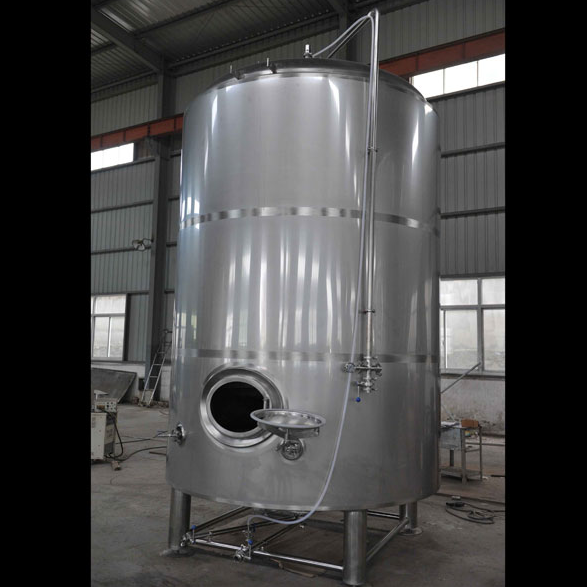
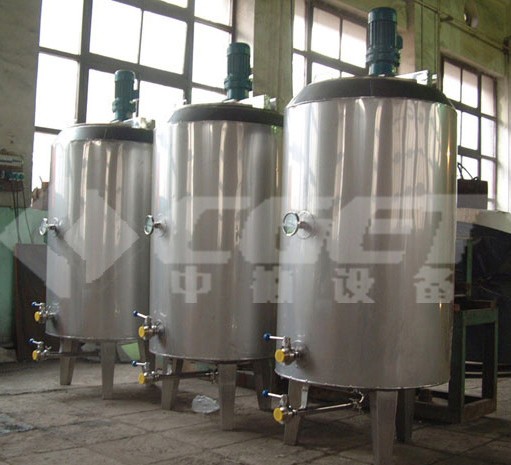
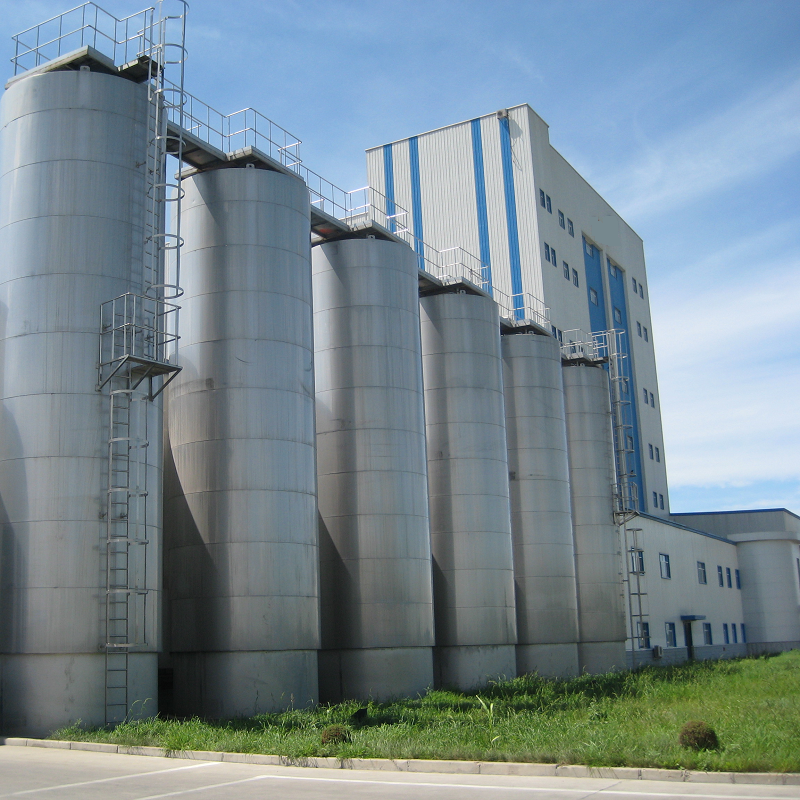
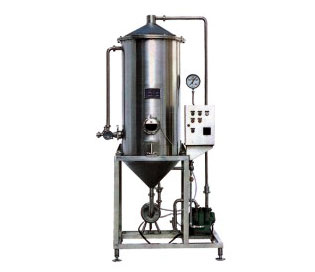
Storage Tanks
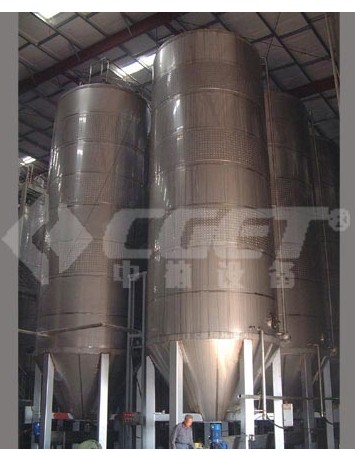
Source commercial-grade storage tanks directly from vetted suppliers and manufacturers. Designed for industrial procurement managers, wholesalers, and food and beverage brands, our manufacturing network provides scalable OEM production and custom fabrication to meet strict sanitary processing requirements.
Sourcing sanitary storage tanks for beverage and wine processing requires strict adherence to food-grade standards and precise engineering. The primary challenge lies in verifying that a manufacturer's fabrication capabilities match your sanitary and pressure requirements. Compromised welds, incorrect material grades, or substandard surface finishes can lead to bacterial harboring, product contamination, and severe production losses.
Critical Specifications for Beverage & Wine Tanks
When procuring storage and fermentation vessels in bulk, the technical specifications dictate both the lifespan of the equipment and its compliance with food safety regulations. Buyers must define parameters well beyond simple volumetric capacity.
Material Selection and Surface Finish
The industry standard for sanitary beverage processing is stainless steel, but the specific grade and surface treatment are critical cost and performance drivers.
| Application | Material Grade | Typical Surface Finish (Inner) |
|---|---|---|
| Standard Wine/Beer Storage | SUS304 | Mechanical polish (Ra under 0.6 μm) |
| High-Acid Beverage / Spirits | SUS316L | Mirror polish (Ra under 0.4 μm) |
| Outer Shell / Cladding | SUS304 | 2B or Brushed finish |
Surface Roughness (Ra) Verification
Do not rely solely on visual inspections for surface finish. Ensure your supplier uses a profilometer to verify that the internal Ra value is strictly under the specified threshold. Microscopic pits from poor polishing will harbor bacteria and defeat Clean-in-Place (CIP) systems.
Thermal Control and Jacketing
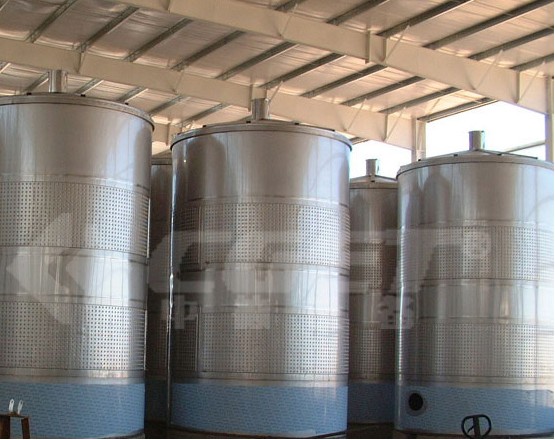
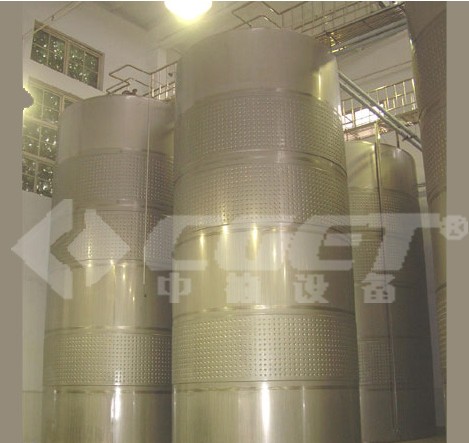
For temperature-sensitive processing like cold stabilization in wine or crash-cooling in brewing, the design of the cooling jacket is paramount. Dimple jackets are standard for glycol cooling, offering high surface area and structural rigidity. When specifying jackets, buyers must detail the operating pressure and the required cooling surface area relative to the tank's total volume.
Need help verifying a manufacturer's custom fabrication capabilities and pressure vessel certifications?
Talk to our teamManufacturing Quality and Factory Vetting
The quality of a sanitary storage tank is won or lost during the welding process. Poor penetration, lack of shielding gas, or incomplete passivation will lead to rust and structural failure.
When evaluating potential manufacturing partners, a rigorous factory audit is essential to verify their fabrication infrastructure.
Key Fabrication Capabilities to Verify
- Automated orbital welding equipment for consistent, sanitary seams.
- Argon gas purging protocols during TIG welding to prevent internal oxidation (sugaring).
- In-house pickling and passivation baths to restore the chromium oxide layer post-welding.
- Hydrostatic pressure testing capabilities for both the main vessel and cooling jackets.
To mitigate risk before shipping, implement strict quality control and inspection protocols. Factory Acceptance Testing (FAT) should include dye penetrant testing or X-ray inspection of critical welds, riboflavin tests for CIP coverage, and hydrostatic pressure testing held for a minimum of 24 hours.
Pricing, MOQs, and Logistics
Procuring storage tanks involves unique commercial and logistical dynamics. Because these vessels are highly specialized, standard off-the-shelf inventory is rare; most orders utilize OEM/ODM services for custom fabrication based on your specific piping, manway, and agitation requirements.
Managing Freight for Oversized Equipment
Shipping large storage tanks is fundamentally an exercise in shipping "air." Freight costs can quickly consume your margin if the tank dimensions are not optimized for containerization. Tanks under 2.2 meters in diameter can typically fit inside standard High Cube containers. For larger capacities, you will require Open Top containers, Flat Racks, or Break Bulk shipping. Coordinating these oversized loads requires experienced shipping and freight management to negotiate rates and handle specialized port handling.
Optimize your procurement and logistics for oversized processing equipment.
Get a free consultationBuyer FAQ
Sourcing industrial storage tanks is a high-stakes procurement exercise where the total landed cost is heavily influenced by custom fabrication quality and complex logistics. Success requires partnering with manufacturers who possess verified sanitary engineering capabilities and managing the freight strategy from day one.
Get Sourcing Help for Storage Tanks
Tell us your requirements and our experts will connect you with verified manufacturers.