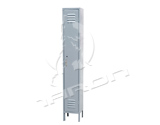
Storage Lockers
Source commercial-grade storage lockers directly from vetted manufacturers and suppliers. This catalog is built for importers, wholesalers, facility procurement managers, and brands seeking OEM/ODM production in bulk. Find competitive wholesale pricing on durable steel, laminate, and high-density storage solutions.
Sourcing storage lockers at scale is a balancing act between structural integrity and shipping efficiency. For bulk buyers, the difference between a profitable import program and a logistical headache often comes down to precise steel gauge specifications, powder-coating quality, and optimizing the shipped volume. When buying directly from overseas manufacturers, relying on generic product descriptions is risky; you must define the exact mechanical and structural requirements upfront.
Defining Structural Specifications
The core material for most commercial and industrial storage lockers is cold-rolled steel (CRS). The thickness of this steel, measured in millimeters or gauge, dictates the locker's durability, dent resistance, and overall lifespan. Manufacturers typically quote steel thickness before painting. Always clarify this with your supplier, as a 0.6mm spec that includes the paint layer means you are receiving thinner, weaker steel.
| Application | Steel Thickness (Pre-Paint) | Characteristics |
|---|---|---|
| Standard Office / Light Duty | 0.5mm to 0.6mm (approx. 24G) | Cost-effective, suitable for controlled environments with light daily use. |
| Schools / Gyms / Commercial | 0.7mm to 0.8mm (approx. 21G to 20G) | High durability, resistant to dents from moderate impacts and heavy daily use. |
| Industrial / Heavy Duty | 0.9mm to 1.2mm (approx. 19G to 18G) | Maximum security, rigid structure, used in warehouses or high-vandalism areas. |
Beyond the steel itself, the surface treatment is critical for longevity. A high-quality electrostatic powder coating should measure between 60 and 80 microns in thickness. This process requires the factory to perform proper acid washing and phosphating prior to coating to ensure the paint adheres correctly and prevents rust, especially for lockers destined for humid environments like gym locker rooms.
Need to standardize your locker specifications across multiple factories? We can help you define technical requirements and identify manufacturers capable of meeting them consistently.
Talk to our teamKnock-Down (KD) vs. Fully Assembled Structures
One of the most significant decisions in sourcing lockers is choosing between Knock-Down (KD) and fully assembled units. Because lockers are mostly empty space, shipping fully assembled units is highly inefficient and drives up landed costs dramatically.
Knock-Down (KD) Lockers
Advantages
- Maximizes container space (often fitting 3 to 4 times more units per container).
- Significantly lowers per-unit shipping and warehousing costs.
- Reduces the risk of structural damage and denting during transit.
Disadvantages
- Requires end-user assembly, which adds labor time at the destination.
- Demands high-precision manufacturing; poorly stamped parts will not align during assembly.
If you opt for KD lockers, the factory's tooling and stamping capabilities are paramount. A variance of even a millimeter in the locking tabs or screw holes will result in a defective final product. Verifying a supplier's automated stamping lines through rigorous Factory Audits is highly recommended before placing volume orders.
Customization and Locking Mechanisms
Lockers are highly customizable, and modifying them to suit specific institutional clients or retail markets is a standard request. Utilizing OEM/ODM Services allows you to specify custom RAL colors, ventilation patterns (louvers, perforations), and internal configurations (shelves, coat rods, mirrors).
The locking mechanism is the most frequent point of failure and the most common customization request. Ensure your factory can source and install the correct lock types for your market:
- Cam Locks: The standard, cost-effective option. Ensure the factory provides master keys for facility managers.
- Padlock Hasps: Common for gyms and schools. The hasp must be welded or heavily riveted to prevent tampering.
- Electronic / RFID Locks: Requires factories with experience in electronic component integration and secure housing.
Quality Control in Locker Manufacturing
Catching defects before the container is loaded is essential. Once flat-packed lockers are shipped, resolving alignment or coating issues is nearly impossible without full replacements.
Pre-Shipment Inspection Focus Areas
- Paint Adhesion: Perform a cross-cut test to ensure powder coating does not flake.
- Thickness Verification: Measure steel thickness on unpainted interior edges using calipers.
- Assembly Test: Randomly select KD units and fully assemble them to verify hole alignment and structural rigidity.
- Hardware Check: Test all hinges, locks, and keys (including master keys) for smooth operation.
- Packaging: Ensure multi-layer corrugated cardboard and edge protectors are used to prevent transit dents.
Implementing professional Quality Control & Inspection protocols ensures these checks are performed systematically on the factory floor.
Sourcing Mechanics: MOQs, Pricing, and Lead Times
Because storage lockers are bulky and heavily reliant on raw steel prices, quotes will fluctuate with commodity markets.
Freight Considerations
When calculating your landed cost, pay close attention to the CBM (Cubic Meters) of the packaged product. A slight change in packaging design can dictate whether you fit 300 or 400 units in a 40HQ container.
Optimizing container loads and managing factory production schedules can be complex. Speak with our sourcing experts about streamlining your procurement process.
Get a free consultationFrequently Asked Questions
Successfully importing storage lockers requires strict attention to material specifications and a deep understanding of how design impacts freight costs. By controlling the technical details upfront and verifying production quality on-site, you can secure durable, highly profitable products for your distribution network.
Get Sourcing Help for Storage Lockers
Tell us your requirements and our experts will connect you with verified manufacturers.