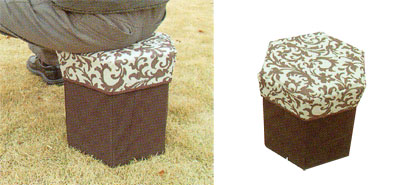
Stools & Ottomans
Source bulk stools and ottomans directly from vetted suppliers and manufacturers. Designed for importers, wholesalers, and furniture brands seeking reliable OEM and private-label production, this catalog connects you with high-capacity factories capable of meeting strict quality standards and volume demands.
While stools and ottomans are structurally simpler than large upholstery items like sofas, sourcing them in volume requires tight control over frame integrity, foam density, and upholstery finishing. Because these pieces often serve dual functions—as seating and as footrests or storage—the challenge lies in balancing aesthetic variety with consistent structural durability across high-volume production runs. A slight deviation in foam resilience or frame moisture content can lead to sagging, wobbling, or total structural failure within months of retail delivery.
Core Specifications for Manufacturing
When communicating with factories, vague requirements yield inconsistent products. You must specify exact parameters for the frame, the cushioning, and the upholstery.
Frame Construction and Integrity
The foundation of any ottoman or stool dictates its lifespan and weight capacity. Manufacturers typically offer three main frame materials, each impacting cost, weight, and durability.
| Frame Material | Durability | Weight Profile | Best Application |
|---|---|---|---|
| Kiln-Dried Hardwood | High | Heavy | Premium & Contract Furniture |
| Engineered Wood (Plywood) | Medium-High | Moderate | Standard Retail |
| Tubular Steel / Iron | Very High | Moderate-Heavy | Modern & Industrial Designs |
For wooden frames, ensure the factory kiln-dries the timber to a moisture content of under 12 percent to prevent warping during ocean transit. Joints should be corner-blocked, glued, and screwed—never just stapled.
Struggling to find factories that consistently meet structural specifications? Let us match your technical requirements with vetted manufacturers capable of executing them flawlessly.
Talk to our teamFoam Density and Upholstery Standards
The cushioning material is where many lower-tier factories cut costs. Specify High-Resiliency (HR) polyurethane foam. For ottomans intended for seating, mandate a minimum density of 30kg/m³ (often referred to as 1.8 lb/ft³ in North America). Lower densities will compress and lose their shape rapidly.
Upholstery fabrics must be tested for durability and fire safety. Ensure your specifications align with your target market's regulations, such as TB117-2013 for the US or UKFR for the UK. If you are uncertain about a factory's fabric certifications, implementing rigorous Compliance & Testing protocols before mass production is essential.
Managing Quality on the Factory Floor
Catching defects after a production run is complete is an expensive mistake. Quality control must happen during the manufacturing process, particularly before the upholstery is permanently attached to the frame.
Critical In-Line Inspection Points
- Moisture content verification of raw wood materials
- Foam density and thickness measurement against the approved golden sample
- Seam slippage testing and pattern alignment on patterned fabrics
- Torque testing on leg attachment hardware and threaded inserts
- Wobble testing on a perfectly level glass surface
If you cannot be on-site, deploying an independent Quality Control & Inspection team to perform in-line and pre-shipment inspections is the most effective way to ensure your shipment matches the approved sample.
Production Realities: MOQ, Lead Times, and Customization
Understanding standard factory operational metrics helps you plan your inventory and negotiate effectively.
If you are developing proprietary designs, engaging factories that specialize in OEM/ODM Services is crucial. These manufacturers will have dedicated R&D teams to assist with pattern making, mold creation for metal legs, and structural prototyping.
Ready to scale your private-label furniture line? We handle the end-to-end sourcing process, from supplier negotiation to final fulfillment, so you can focus on growth.
Get a free consultationFrequently Asked Questions
Successfully sourcing stools and ottomans at scale requires a deep understanding of materials, precise technical specifications, and proactive quality management. By controlling the details at the factory level, you ensure a durable, market-ready product that protects your brand's reputation.
Get Sourcing Help for Stools & Ottomans
Tell us your requirements and our experts will connect you with verified manufacturers.