Sterilization Equipment
Source professional Sterilization Equipment directly from vetted manufacturers and wholesale suppliers. Designed for medical distributors, importers, and brands seeking reliable OEM and private-label production. Secure competitive pricing on bulk orders with full compliance and quality assurance.
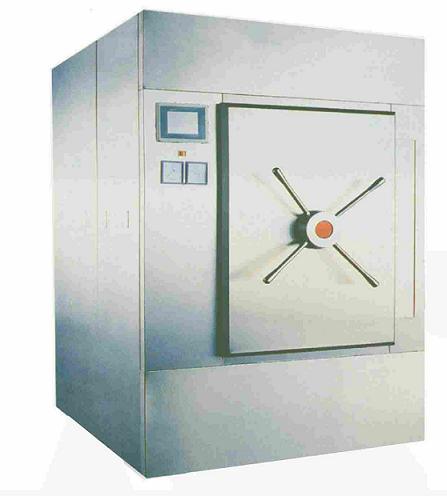
Sourcing medical-grade sterilization equipment requires balancing stringent regulatory compliance with cost-effective manufacturing. Because these units operate under extreme pressure and temperature, the margin for error is zero. Evaluating Chinese manufacturers in this category means looking past cosmetic housing and digging into pressure vessel engineering, welding standards, and the reliability of the internal vacuum and heating components.
Core Specifications and Chamber Engineering
The heart of any steam sterilization unit is its pressure chamber. The materials and manufacturing methods used here dictate the lifespan, safety, and regulatory viability of the equipment.
Chamber Materials and Construction
Most commercial and medical sterilizers utilize stainless steel, but the specific grade is a critical cost and durability driver.
- SUS304 Stainless Steel: Common in standard benchtop and economic floor models. It offers adequate corrosion resistance for general clinical use but can pit over time if water quality is poor.
- SUS316L Stainless Steel: The medical-grade standard. The addition of molybdenum provides superior resistance to chlorides and pitting. Specify SUS316L for hospital-grade equipment and any unit processing highly saline or corrosive loads.
Welding quality is equally critical. Look for automated TIG welding on chamber seams. Manual welding on pressure vessels introduces inconsistencies that lead to micro-fractures during repeated thermal cycling.
Pressure Vessel Regulations
Sterilizers are legally classified as pressure vessels. A manufacturer must hold specific licenses to produce them (e.g., China's SELO license). If importing to Europe, the equipment must comply with the Pressure Equipment Directive (PED) alongside the Medical Device Regulation (MDR).
Sterilization Classifications
When defining your product requirements, you must specify the operational class, which dictates the internal mechanics—specifically the air removal system.
| Specification | Class N (Thermodynamic) | Class B (Fractionated Vacuum) |
|---|---|---|
| Air Removal Method | Gravity displacement | Active vacuum pump (pre/post) |
| Suitable Load Types | Solid, unwrapped instruments | Wrapped, hollow, and porous loads |
| Primary Application | Basic clinical, auxiliary use | Surgical, dental, and hospital standard |
| Manufacturing Complexity | Low to Moderate | High (requires precision pneumatics) |
Manufacturing Quality and Compliance
The medical device supply chain is highly regulated. Identifying a factory that can assemble a sterilizer is easy; finding one that maintains a validated ISO 13485 quality management system and genuine CE/FDA certifications is much harder.
Relying on a factory's self-reported documentation is a major risk. Rigorous Compliance & Testing verification is required before committing to a purchase order. You must verify that the CE certificate is issued by a reputable Notified Body for the specific device class, not just a generic "certificate of compliance" from an unaccredited testing house.
Factory Evaluation Checklist for Sterilization Equipment
- Verify ISO 13485 certification scope specifically includes sterilization equipment.
- Confirm pressure vessel manufacturing licenses (ASME, PED, or local equivalent).
- Inspect incoming quality control (IQC) for critical components like vacuum pumps and solenoid valves.
- Review the factory's aging and pressure testing protocols (how many cycles are run before packing?).
- Assess traceability systems for individual component batches.
Need to verify a sterilizer manufacturer's credentials? We conduct rigorous technical audits and compliance checks on medical device factories across Asia.
Talk to our teamCustomization and OEM Capabilities
For brands looking to establish their own product lines, Chinese manufacturers offer robust OEM/ODM Services. Customization typically scales with your order volume.
- Low-Volume Customization: Private labeling (logo printing), custom user interface languages on touchscreens, and specific plug/voltage configurations (e.g., 110V/60Hz vs. 220V/50Hz).
- High-Volume Customization: Custom injection-molded ABS housing, proprietary sterilization cycle programming (e.g., specific prion cycles or specialized instrument drying phases), and integration of specific branded components (like Thomas vacuum pumps or SMC valves).
Pricing, MOQs, and Sourcing Mechanics
Procurement terms vary significantly based on the size and complexity of the equipment. Benchtop dental sterilizers (18L to 23L) are produced in higher volumes, whereas large hospital-grade autoclaves (over 150L) are often built to order.
Quality Control During Production
Because defects in sterilization equipment pose severe safety and liability risks, third-party Quality Control & Inspection is non-negotiable. Pre-shipment inspections should include electrical safety tests (hipot, earth leakage), vacuum leak tests (must hold vacuum under specific thresholds), and a complete biological indicator validation cycle.
Managing medical device procurement requires specialized oversight. Let us handle supplier negotiation, quality control, and export logistics for your sterilization equipment orders.
Get a free consultationFrequently Asked Questions
Successfully sourcing sterilization equipment is about managing technical and regulatory risk. By specifying the right chamber materials, mandating strict compliance checks, and implementing rigorous testing protocols before the goods leave the factory floor, you can secure reliable medical hardware that performs safely for years.
Get Sourcing Help for Sterilization Equipment
Tell us your requirements and our experts will connect you with verified manufacturers.