Steering Wheels
Source high-quality steering wheels in bulk directly from vetted manufacturers and suppliers. Designed for automotive distributors, importers, and aftermarket brands, our network supports wholesale orders and custom OEM/ODM production. Ensure rigorous compliance and flawless finish for your interior accessory lines.
Steering wheels are safety-critical components that define the tactile experience of a vehicle's interior. Sourcing aftermarket or replacement steering wheels in volume requires balancing aesthetic customization with strict structural integrity, material durability, and precise fitment tolerances. Whether you are supplying universal racing wheels or direct-fit OEM replacements, managing the factory-level details is essential to avoid costly defect rates and compliance failures.
Key Specifications for Bulk Sourcing
When briefing a manufacturer, vague requirements lead to inconsistent batches. Professional buyers must define the core geometry and material composition of the wheel before production begins.
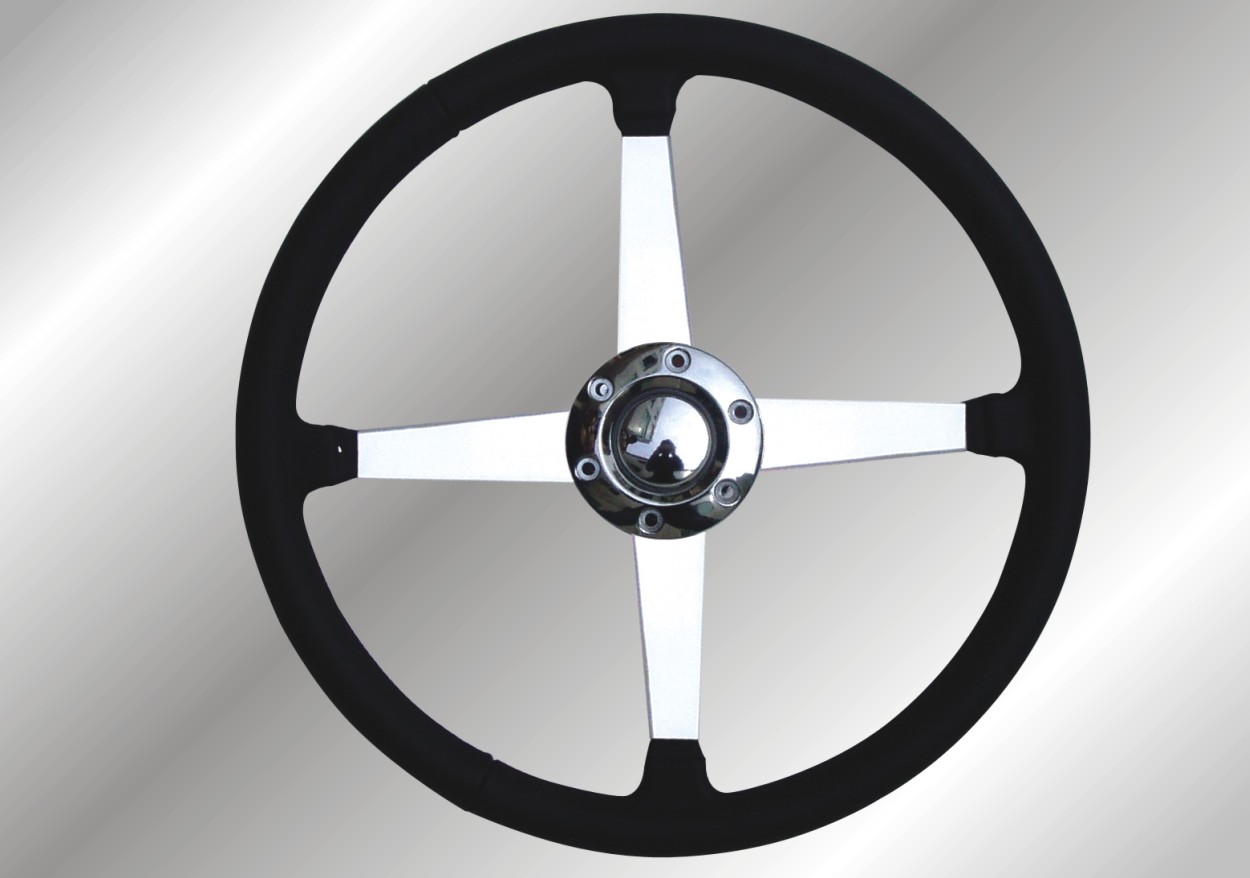
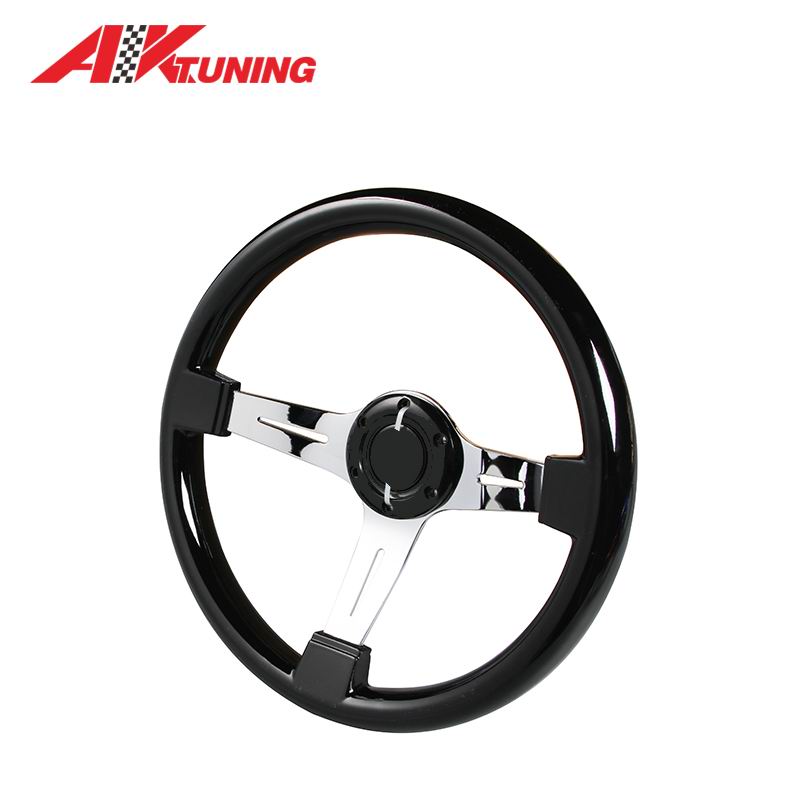
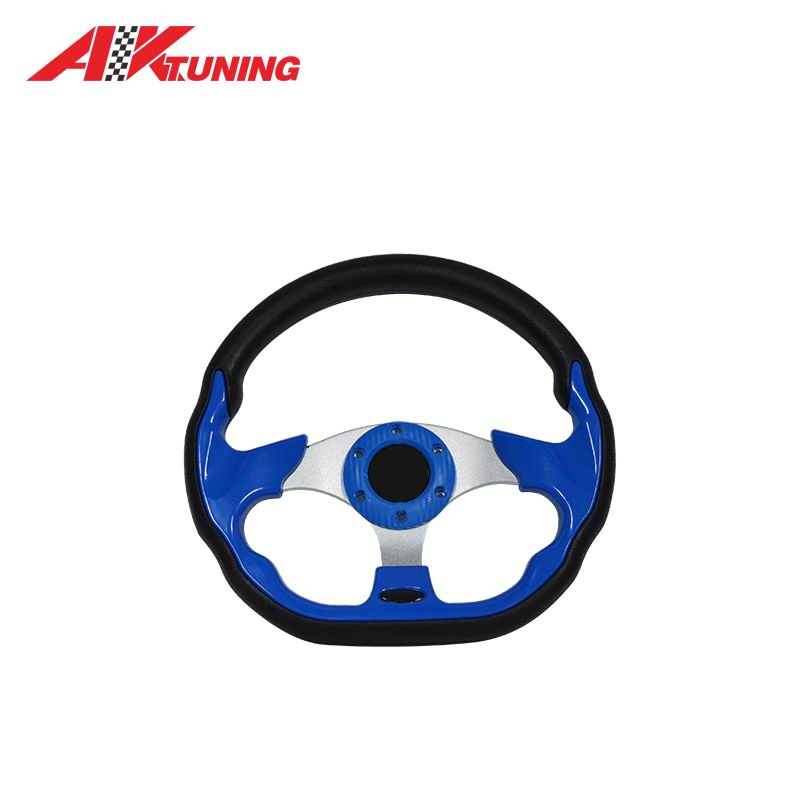
- Diameter: Typically ranges from 320mm to 380mm. Smaller diameters (320mm–330mm) are standard for racing and performance applications, while 350mm–380mm is standard for passenger and commercial vehicles.
- Dish Depth: The distance from the mounting surface to the center line of the grip. Flat wheels have near-zero dish, while deep-dish wheels can exceed 90mm.
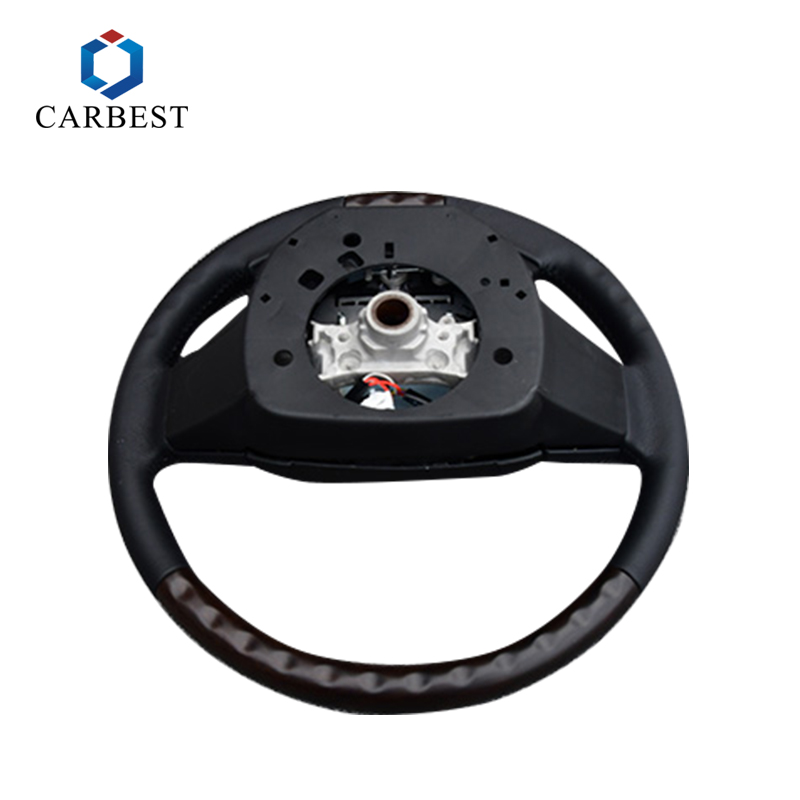
- Spoke Material: The structural core is usually stamped or die-cast. 6061 or 7075 aluminum alloy is preferred for weight reduction in performance wheels, while steel is used for heavy-duty applications. Thickness usually ranges from 3mm to 5mm.
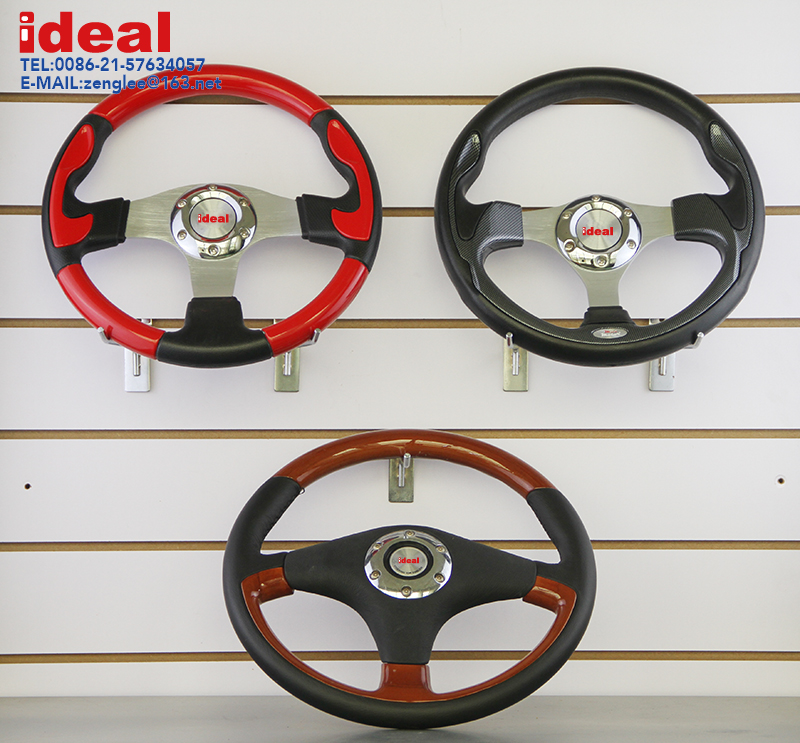
| Grip Material | Tactile Feel | Manufacturing Complexity | Target Market |
|---|---|---|---|
| PU Leather | Consistent, medium grip | Low (automated wrapping) | Budget aftermarket, entry-level |
| Genuine Leather | Premium, breathable | High (hand-stitched) | Mid-to-high-tier aftermarket, OEM |
| Alcantara / Suede | High friction, soft | High (specialized bonding) | Performance, track, luxury |
| Carbon Fiber | Rigid, smooth | Very High (molding & clear coat) | Premium performance, show cars |
Need help standardizing your steering wheel specifications across multiple suppliers? We can help you build comprehensive tech packs.
Talk to our teamManufacturing Tolerances and Quality Control
The manufacturing process involves metal stamping or casting for the frame, followed by injection molding (for PU grips) or manual wrapping and stitching (for leather/suede). Quality is won or lost in the assembly and finishing phases.
Poorly cast spokes can suffer from micro-fractures, while improper adhesive application on leather wheels leads to peeling under high cabin temperatures. Implementing rigorous quality control and inspection protocols is non-negotiable for safety components.
Critical Factory Quality Checks
- Weld and Stamping Integrity: X-ray or stress testing on spoke-to-hub joints.
- Spline Tolerance: Precision measurement of the center hub splines to ensure zero play when mounted.
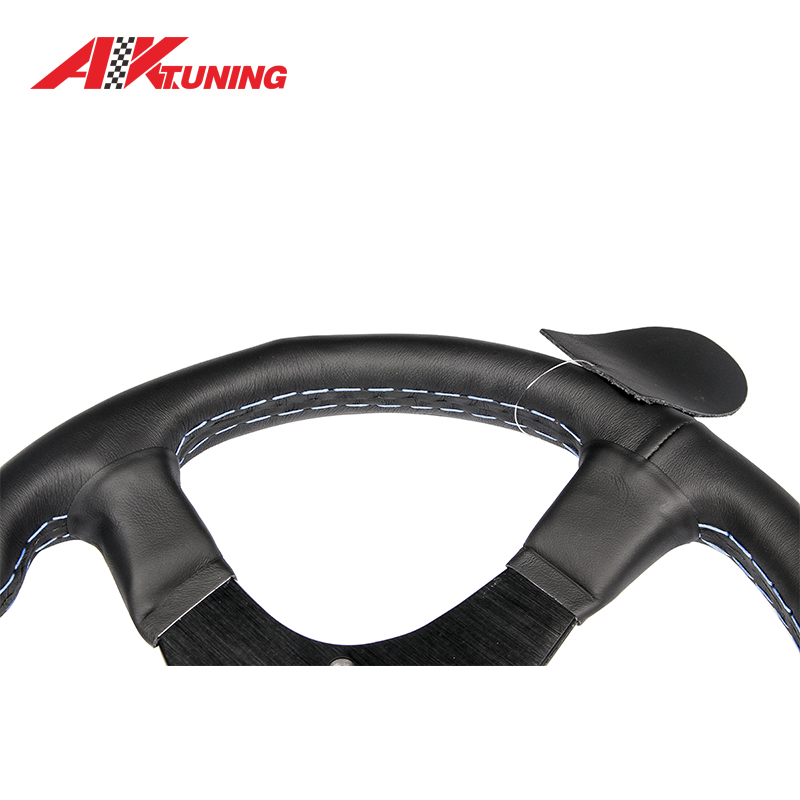
- Stitching Consistency: Inspection of seam alignment, thread tension, and knot security on hand-wrapped models.
- UV and Heat Resistance: Accelerated aging tests on grip materials to prevent fading or adhesive failure.
- Deflection Testing: Applying lateral force to ensure the rim does not bend beyond acceptable safety margins.
OEM/ODM Customization and Compliance
For brands looking to develop proprietary designs, OEM/ODM services allow for custom molding of the rim profile, unique spoke cutouts, and branded horn buttons. However, custom molds require upfront tooling investments and longer initial lead times.
Before committing to a custom mold, it is critical to verify the supplier's engineering capabilities. Conducting thorough factory audits ensures the facility has the necessary CNC machinery, clean rooms for carbon fiber layup, and ISO/TS 16949 certifications required for automotive parts manufacturing.
Furthermore, depending on your target market, the steering wheels may need to pass specific regulatory standards (such as FMVSS in the US or ECE regulations in Europe). Utilizing professional compliance and testing services ensures your products meet regional safety requirements before shipment.
Pricing, MOQs, and Lead Times
Steering wheel production economics are heavily influenced by the materials chosen and the level of manual labor required (e.g., hand-stitching vs. injection molding).
- Standard PU/Aluminum Wheels: Generally offer the lowest entry price and MOQs, making them ideal for high-volume wholesale.
- Genuine Leather/Suede: Mid-tier pricing, highly dependent on the origin of the hide and the complexity of the stitching pattern.
- Carbon Fiber/Wood Grain: Premium pricing due to the labor-intensive clear-coating, sanding, and polishing processes.
Looking to negotiate better terms or consolidate your automotive accessory supply chain? Let's discuss your sourcing strategy.
Get a free consultationFrequently Asked Questions
Sourcing steering wheels at scale requires a deep understanding of automotive manufacturing standards and material science. By partnering with vetted factories and maintaining strict oversight over the production and testing phases, you can build a reliable supply chain for high-quality interior accessories.
Get Sourcing Help for Steering Wheels
Tell us your requirements and our experts will connect you with verified manufacturers.