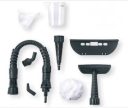
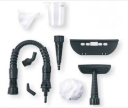
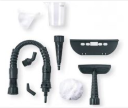
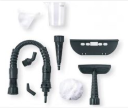
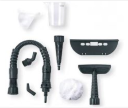
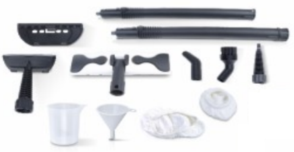
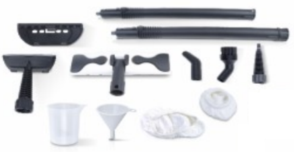
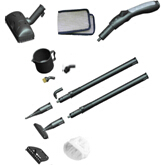
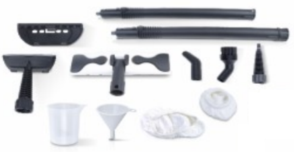
steam mop
Source high-quality steam mops from vetted suppliers and manufacturers in China and across Asia. Designed for importers, wholesalers, and appliance brands seeking reliable OEM and private-label production, our network delivers bulk manufacturing with strict quality control and compliance for global markets.
Sourcing steam mops at volume requires carefully balancing rapid heating performance with strict electrical safety standards. Because these appliances mix water, pressurized steam, and high-voltage electricity, component selection—specifically the heating element, pump, and thermistor—dictates both product lifespan and regulatory compliance. Navigating the supplier landscape means distinguishing between assemblers buying off-the-shelf parts and manufacturers with genuine engineering capabilities.
Core Specifications and Component Selection
The reliability of a steam mop is largely determined by its internal architecture. When evaluating factory prototypes or specifying a custom build, the heating mechanism and pump system are your primary cost and quality drivers.
| Component | Standard Market Spec | Premium OEM Spec |
|---|---|---|
| Heating Element | Standard aluminum tube | Die-cast aluminum with anti-calc coating |
| Pump Type | Mechanical (trigger-driven) | Electronic (continuous variable steam) |
| Heat-Up Time | 30 to 45 seconds | Under 15 seconds |
| Water Tank | Fixed, 250ml to 350ml | Detachable, 400ml to 500ml+ |
Heating Mechanisms: Flash Heaters vs. Boilers
Most modern consumer steam mops utilize a flash heating system (continuous flow heater) rather than a traditional pressurized boiler. Flash heaters pump water from the reservoir directly into a heated die-cast block, converting it to steam instantly. This drastically reduces heat-up time and eliminates the risk of a pressurized tank explosion, making compliance easier. However, flash heaters are highly susceptible to calcification if the factory does not specify high-grade internal coatings or integrate water filtration.
Need help verifying a factory's engineering capabilities and component sourcing?
Talk to our teamQuality Control and Safety Compliance
Because steam mops operate in wet environments, electrical safety is the most critical risk factor. Relying solely on final inspections is risky; you must ensure the factory implements rigorous in-line testing during assembly.
Critical Factory Floor Tests for Steam Mops
- Hi-Pot (High Potential) Testing: Ensuring insulation integrity between current-carrying conductors and the chassis.
- Earth Continuity Testing: Verifying the grounding circuit can handle fault currents.
- Thermal Cut-Off Verification: Testing the bimetallic thermostat and thermal fuse to prevent dry-boil fires.
- Steam Volume Consistency: Measuring grams per minute (g/min) over a continuous 10-minute run.
- Drop and Impact Testing: Ensuring the water tank and housing do not crack under standard drop scenarios.
When importing to major markets, your Compliance & Testing strategy must cover CE (LVD/EMC) and RoHS for Europe, or UL/ETL for North America. Ensure the specific plug and cord set are also certified for the destination market, as factories often quote with standard domestic cords to lower initial pricing. If you are uncertain about a supplier's quality management system, conducting professional Quality Control & Inspection at the pre-shipment stage is non-negotiable.
Buying Mechanics: MOQs, Pricing, and Lead Times
Understanding the standard commercial terms in the floor-care appliance sector helps you negotiate effectively and avoid suppliers who overpromise.
OEM vs. ODM Production
If you are buying off-the-shelf models with simple logo placement (white labeling), you can often negotiate MOQs down to 1,000 units. However, if you are utilizing OEM/ODM Services to develop custom tooling for a unique mop head, handle design, or proprietary steam control interface, expect MOQs to start at 3,000 units to amortize the injection molding costs. Tooling development typically adds 45 to 60 days to your initial timeline.
Planning a custom floor-care product line? Let's discuss your production strategy.
Get a free consultationFrequently Asked Questions
Securing a reliable supply chain for electrical appliances requires looking past the glossy Alibaba listings and digging into the bill of materials. Taking the time to conduct thorough Factory Audits ensures your manufacturing partner has the technical depth to deliver safe, high-performing products consistently.
Get Sourcing Help for steam mop
Tell us your requirements and our experts will connect you with verified manufacturers.