Stainless Steel Tumblers
Source premium stainless steel tumblers directly from vetted manufacturers and suppliers. Designed for commercial importers, distributors, and brands seeking reliable OEM and private-label production, our network delivers bulk orders with strict adherence to international food-contact standards and thermal performance requirements.
Sourcing stainless steel tumblers at scale requires navigating a highly saturated manufacturing base where quality varies drastically. While the external appearance of a tumbler is easily replicated, the hidden mechanics—specifically the integrity of the double-wall vacuum seal and the grade of the steel used—determine whether the product will hold temperature for 12 hours or fail after a month of use.
For commercial buyers, securing a reliable supply chain means specifying exact material compositions, understanding the vacuum brazing process, and establishing rigorous testing protocols on the factory floor.
Core Material Specifications
The foundation of any high-quality thermal drinkware is the steel grade and the wall thickness. Assuming "stainless steel" is sufficient on a purchase order is a common error that leads to corrosion and metallic tasting beverages.
| Specification | Standard Market Value | Premium / OEM Standard |
|---|---|---|
| Inner Wall Material | SUS304 (18/8) | SUS316 (Medical Grade) |
| Outer Wall Material | SUS201 (Prone to rust) | SUS304 (18/8) |
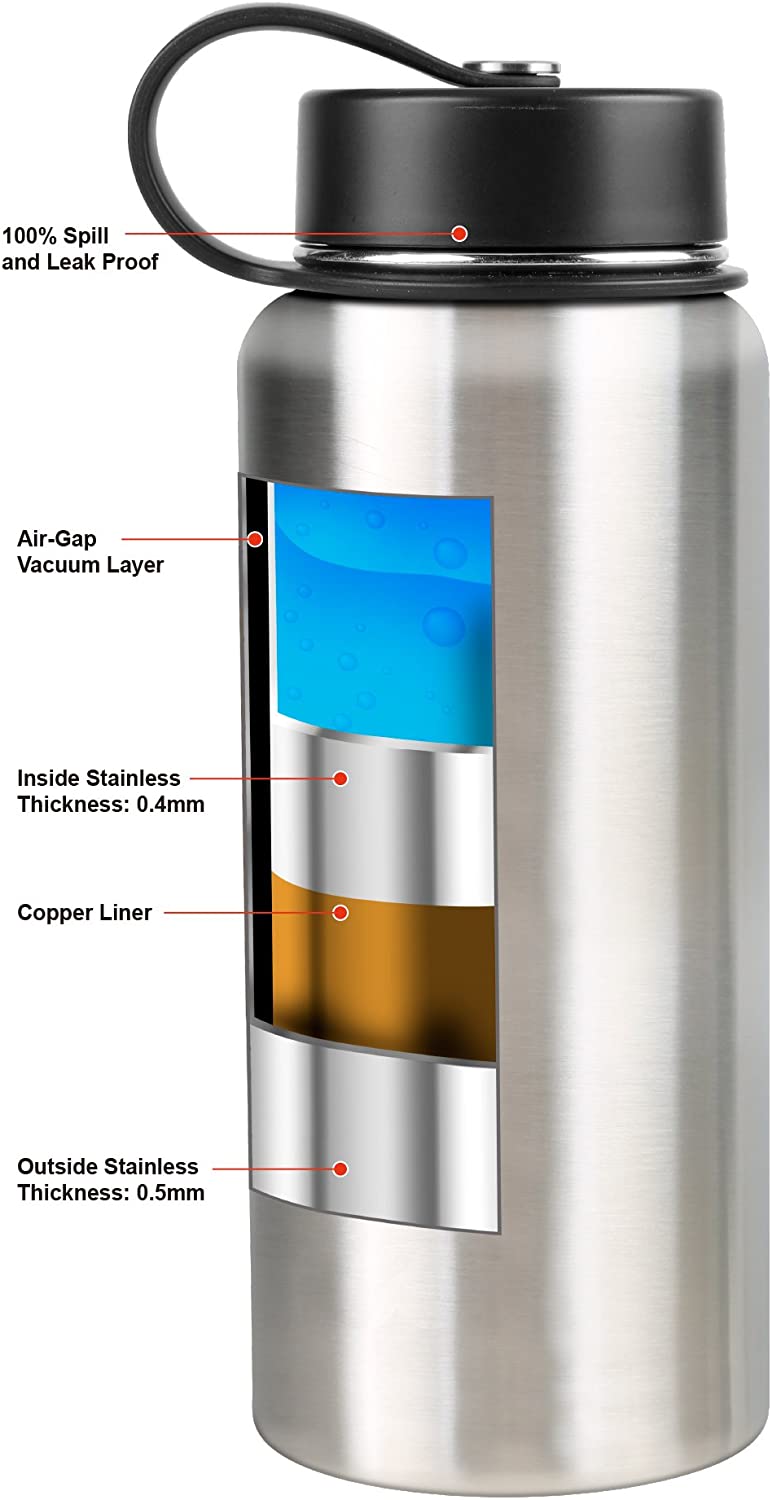
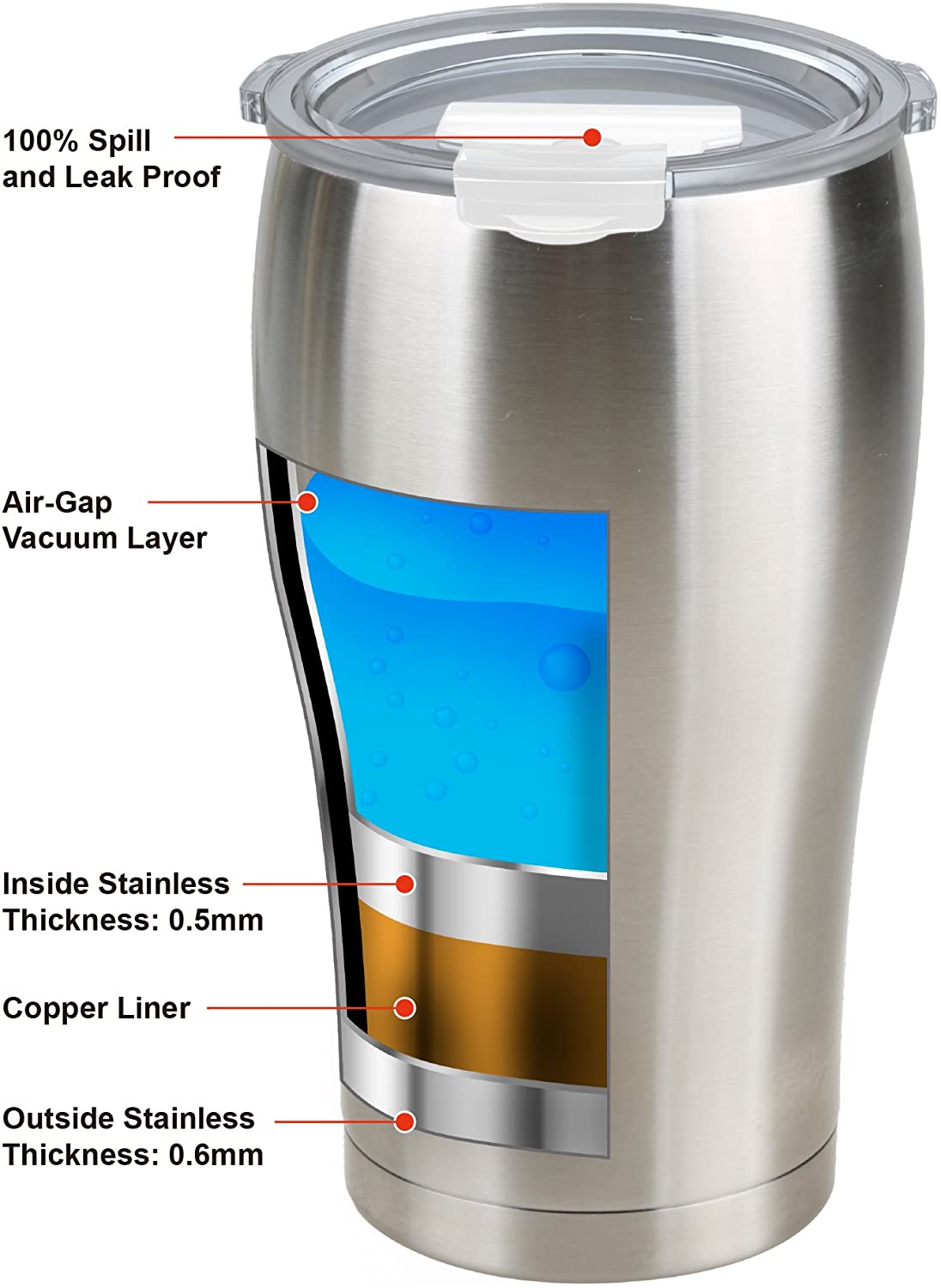
| Steel Thickness | 0.3mm - 0.4mm | 0.5mm - 0.6mm |
| Inner Wall Treatment | Electrolytic polishing | Copper plating + Electrolytic polishing |
The Role of Copper Plating
In premium tumblers, the exterior of the inner wall is often plated with copper before the vacuum sealing process. Copper significantly reduces the transfer of temperature via radiation. When combined with a high-grade vacuum, this is the primary differentiator between a tumbler that holds ice for 6 hours versus one that lasts 24 hours.
Need help verifying factory material claims? We can audit suppliers and manage your technical specifications.
Talk to our teamManufacturing and Quality Control Checkpoints
The production of double-wall vacuum drinkware involves hydroforming or welding, followed by a critical vacuum brazing stage. If a factory rushes the vacuum process or uses inferior "getter" materials (the pill placed between walls to absorb residual gases), the vacuum will degrade over time.
Relying solely on final random inspections is risky for thermal products. Partnering with a team that handles comprehensive Quality Control & Inspection ensures that critical in-line tests are performed before the products are painted and packaged.
Critical Factory-Floor Quality Checks
- 100% Hot Water Test: In-line testing where unpainted tumblers are filled with boiling water; if the exterior gets hot, the vacuum has failed.
- Salt Spray Testing: Ensures the outer powder coating or steel resists corrosion, especially critical for SUS304 exteriors.
- Adhesion Testing: Cross-cut tape tests on powder-coated or painted finishes to prevent peeling.
- Lid Fit and Leakage: Pressure testing the silicone gaskets and threading tolerances on the lid assembly.
Customization and OEM/ODM Production
For brands developing private-label lines, the exterior finish and lid design are your primary differentiators. Engaging in OEM/ODM Services allows you to move beyond off-the-shelf blanks.
- Powder Coating vs. Liquid Paint: Powder coating is the industry standard for durability. It provides a textured, highly scratch-resistant surface. Liquid painting allows for complex gradients and patterns but requires strict UV-curing processes to prevent chipping.
- Sublimation Coatings: If your business model involves printing full-color wraps domestically, you must specify a high-quality polymer sublimation coating from the factory. Inconsistent coating thickness will result in faded or blurry prints.
- Lid Tooling: Standard push-on lids with sliding closures are cheap but prone to leaking. Developing custom tooling for a threaded, leak-proof Tritan lid requires a higher initial investment but significantly elevates the product's market positioning.
Sourcing Realities: MOQ, Pricing, and Lead Times
Pricing for stainless steel tumblers is tied directly to global raw material costs (nickel and chromium), factory capacity, and the complexity of your finish.
When negotiating, be aware that factories offering prices significantly under the market average are almost certainly substituting SUS304 for SUS201 on the outer wall, reducing steel thickness, or skipping the copper plating process entirely.
Protect your margins and your brand reputation. Let us negotiate pricing and manage your production schedule.
Get a free consultationFrequently Asked Questions
Sourcing reliable thermal drinkware is less about finding a factory that can make a cup, and more about finding a manufacturing partner with the specialized machinery and quality culture required to maintain a vacuum seal at scale. By strictly defining your material grades and enforcing in-line temperature testing, you can secure a product that performs exactly as promised.
Get Sourcing Help for Stainless Steel Tumblers
Tell us your requirements and our experts will connect you with verified manufacturers.