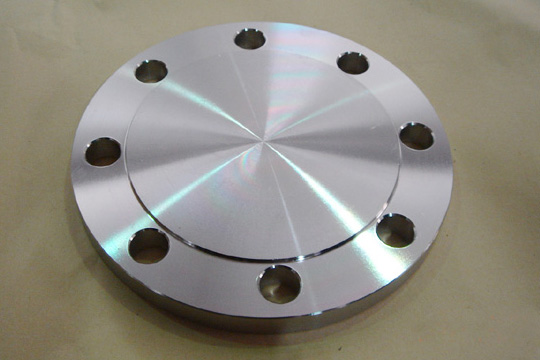
Stainless Steel Plates
Source premium stainless steel plates from vetted manufacturers and suppliers in China and across Asia. Designed for industrial importers, metal distributors, and procurement managers buying in bulk, our network delivers reliable quality and competitive pricing. Secure your supply chain with direct factory access and expert negotiation.
Sourcing stainless steel plates in bulk requires strict attention to metallurgical integrity, surface finish consistency, and dimensional accuracy. Whether you are supplying fabrication shops, managing large-scale infrastructure projects, or stocking a distribution center, securing a reliable mill or factory partner is critical. Inconsistent gauge thickness, poor surface finishes, or falsified material grades can lead to catastrophic fabrication failures and rejected shipments.
Key Specifications and Material Grades
When negotiating with manufacturers, specifying the exact grade and finish is just the baseline. You must also define acceptable tolerances for thickness, width, length, and flatness. Standard widths typically run at 1000mm, 1219mm (4 feet), and 1500mm (5 feet), but custom slitting and shearing are common for high-volume orders.
| Grade Series | Key Characteristics | Typical Applications |
|---|---|---|
| 304 / 304L | Austenitic, excellent formability, standard corrosion resistance | Food processing, architectural paneling, general fabrication |
| 316 / 316L | Austenitic, superior pitting resistance due to added molybdenum | Marine environments, chemical processing, medical equipment |
| 430 | Ferritic, magnetic, lower cost (nickel-free) | Appliances, automotive trim, interior architectural details |
| Duplex (e.g., 2205) | High yield strength, exceptional stress-corrosion resistance | Offshore oil and gas, desalination plants |
Surface Finishes
The surface finish dictates both the aesthetic and functional properties of the plate. Ensure your purchase orders explicitly state the required finish standard:
- No. 1: Hot rolled, annealed, and descaled. Rough, dull surface used in industrial applications where aesthetics are secondary.
- 2B: Cold rolled, annealed, descaled, and skin-passed. Smooth, moderately reflective finish; the most common standard for general use.
- BA (Bright Annealed): Cold rolled and annealed in a controlled atmosphere to retain a highly reflective, mirror-like finish.
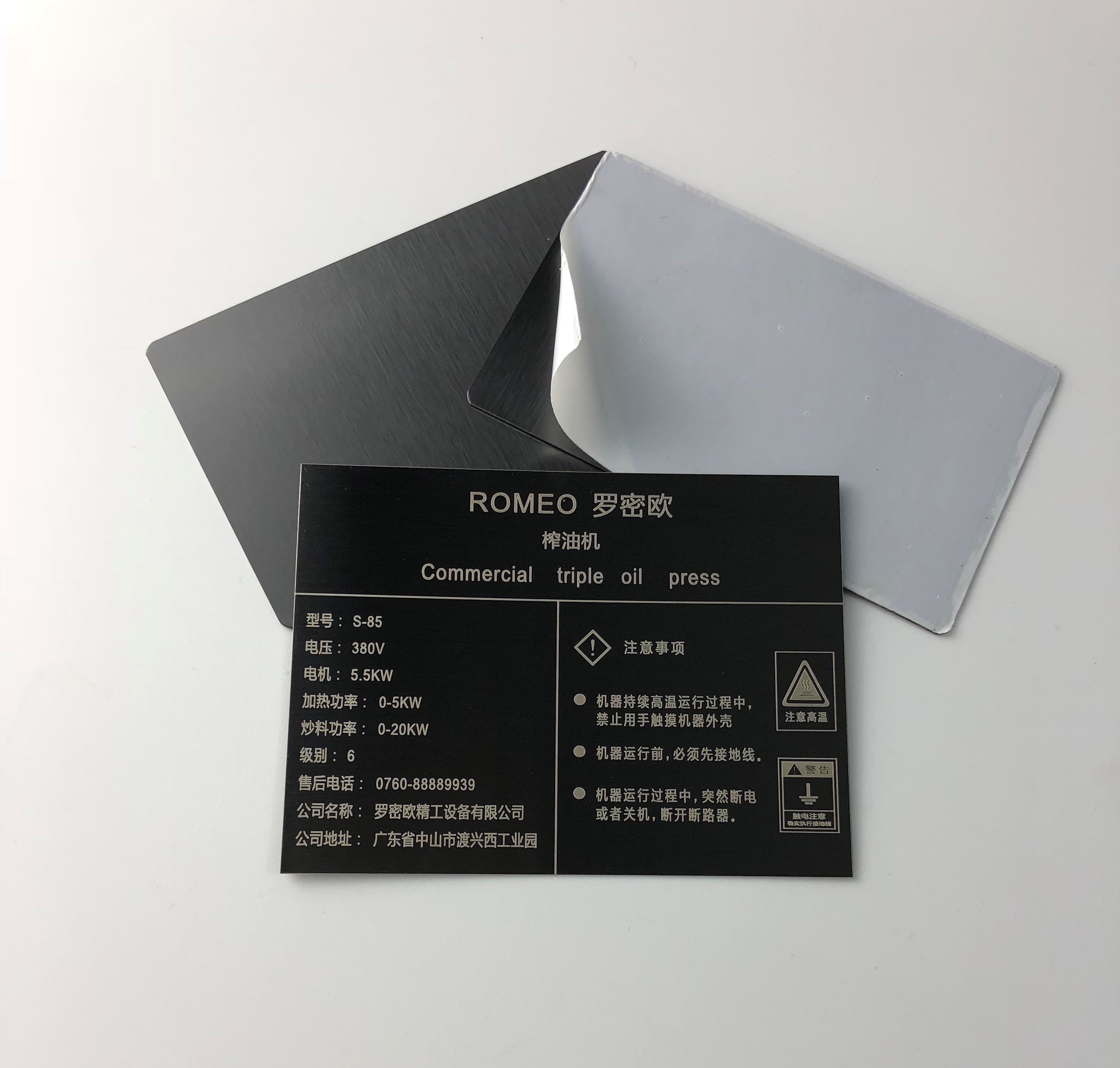
- No. 4 / HL (Hairline): Brushed finishes with directional grit lines, widely used in architectural and appliance applications.
Manufacturing Processes and Quality Control
The production method—hot rolling versus cold rolling—directly impacts the plate's mechanical properties and dimensional tolerances. Hot rolled plates are generally thicker (typically 3mm and above) and cheaper to produce, but lack the tight dimensional tolerances of cold rolled plates. Cold rolling reduces thickness further while improving surface finish and yield strength.
Quality control on the factory floor is where your margins are protected. Without rigorous Quality Control & Inspection, you risk receiving plates with edge camber, surface inclusions, or thickness variations that fall outside acceptable ASTM or EN standards.
Critical Pre-Shipment Inspection Checks
- Positive Material Identification (PMI) testing to verify chemical composition
- Micrometer checks across multiple points to confirm gauge tolerance
- Visual inspection for surface defects (pitting, scale, roll marks, scratches)
- Flatness and edge camber measurements against specified tolerances
- Verification of Mill Test Certificates (MTC) matching the heat numbers on the plates
Struggling with inconsistent surface finishes or gauge tolerances? Let our sourcing experts vet your next stainless steel plate supplier to ensure strict quality compliance.
Talk to our teamSupplier Vetting and Factory Capabilities
Not all suppliers are primary mills; many are service centers or trading companies. While service centers can offer flexibility in custom cutting and lower minimums, primary mills offer better pricing for large-scale, standard-size orders. Conducting thorough Factory Audits is essential to verify the supplier's actual production capacity, quality management systems (such as ISO 9001), and financial stability before committing to a bulk purchase.
Pricing, MOQs, and Lead Times
Stainless steel pricing is highly volatile, driven primarily by the London Metal Exchange (LME) indices for nickel, chromium, and molybdenum.
- Minimum Order Quantities (MOQs): Primary mills typically require 10 to 20 metric tons per specification. Service centers may offer lower MOQs (3 to 5 metric tons), though at a slight premium. Custom dimensions or specialized duplex grades will command higher MOQs.
- Pricing Structure: Quotes are usually provided per metric ton. Always clarify if the price is based on theoretical weight or actual scale weight.
- Lead Times: Standard grades (304, 316) from a service center might ship in 10 to 15 days. Primary mill production runs typically require 30 to 45 days, excluding transit time.
Because steel is a dense, heavy commodity, freight costs make up a significant portion of your landed cost. Coordinating efficient Shipping & Freight strategies, such as maximizing container payloads without exceeding weight limits, is vital for maintaining profitability.
Need to lock in competitive pricing for your next bulk order of stainless steel plates? We manage the supplier negotiation, quality verification, and heavy freight logistics.
Get a free consultationFrequently Asked Questions
Successfully importing stainless steel plates requires balancing volatile raw material costs with rigid dimensional and metallurgical requirements. By partnering with vetted manufacturers and enforcing strict pre-shipment testing, you can secure high-quality materials that keep your production lines running smoothly.
Get Sourcing Help for Stainless Steel Plates
Tell us your requirements and our experts will connect you with verified manufacturers.