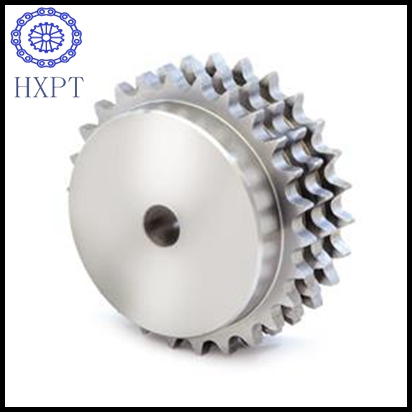
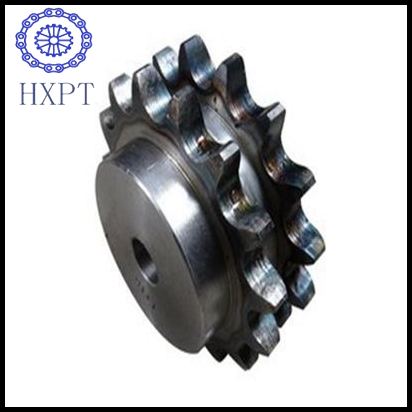
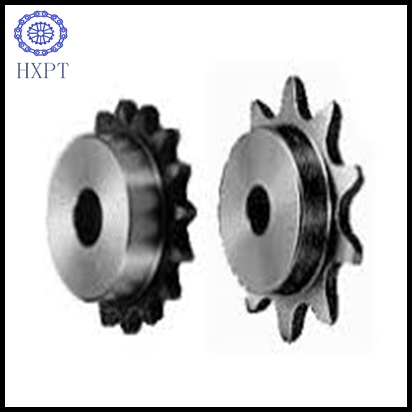
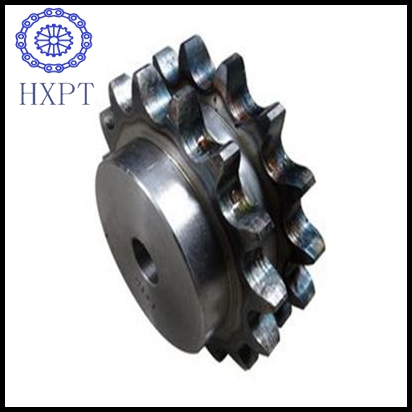
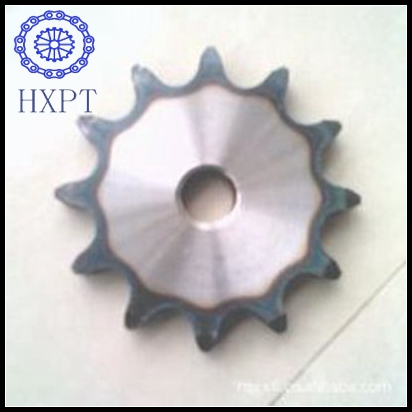
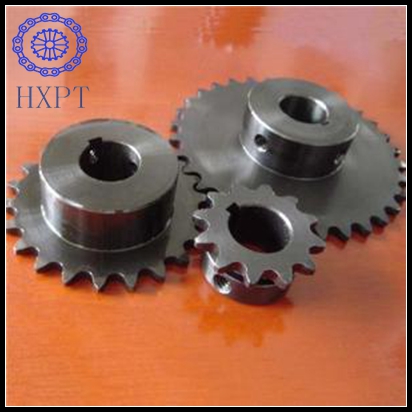
Sprockets
Source industrial-grade sprockets from vetted manufacturers and reliable factory partners. Designed for importers, wholesale distributors, and equipment brands seeking bulk pricing or custom OEM production for power transmission systems.
Sourcing sprockets in volume requires strict attention to dimensional accuracy, material composition, and heat treatment. A sprocket is only as reliable as its tooth profile and bore tolerance; minor deviations in pitch diameter or inadequate hardening lead to premature chain wear, vibration, and system failure. When buying direct from overseas manufacturers, verifying their machining capabilities and quality control processes is the difference between a reliable power transmission component and a costly maintenance liability.
Critical Specifications for Production Orders
When specifying sprockets for bulk manufacturing or custom production, standard designations (like ANSI or DIN/ISO) only cover the baseline geometry. You must define exact parameters for the factory to ensure compatibility and longevity.
- Standard Compliance: Specify whether the sprockets must adhere to ANSI (American National Standards Institute) B29.1 or DIN 8187/ISO 606 standards. Mixing metric and imperial chain standards will cause immediate binding.
- Material Selection: The industry standard is C45 (AISI 1045) medium carbon steel for standard industrial applications. For corrosive environments, 304 or 316 stainless steel is required. Cast iron (GG25) is often used for large diameter, low-speed sprockets to reduce weight and cost.
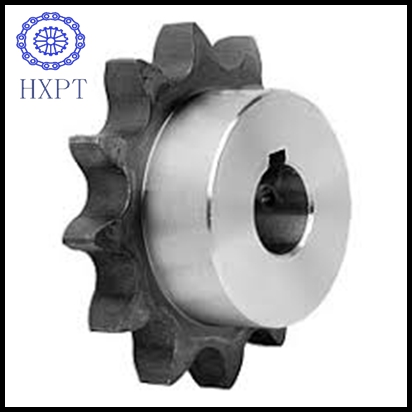
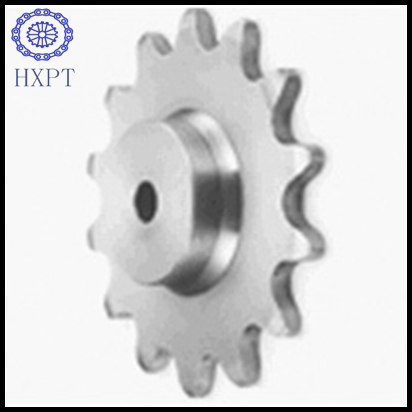
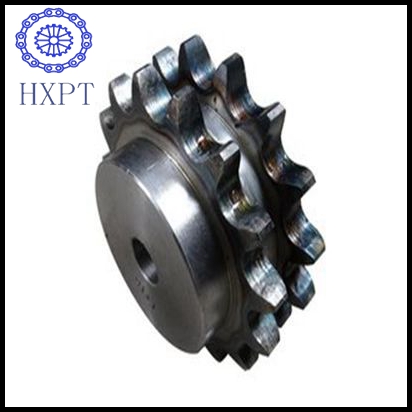
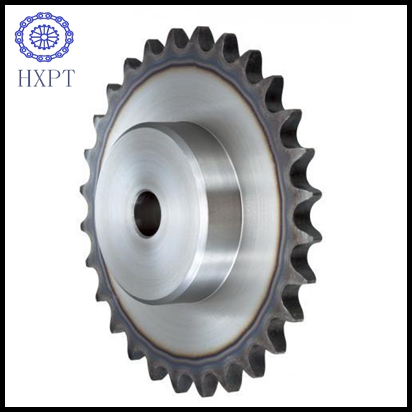
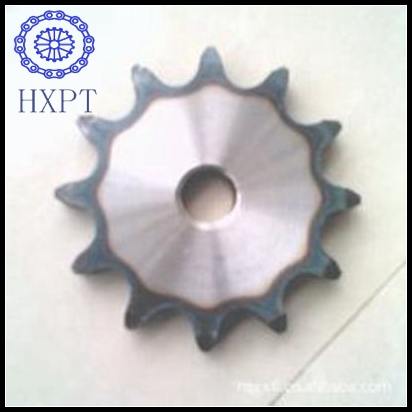
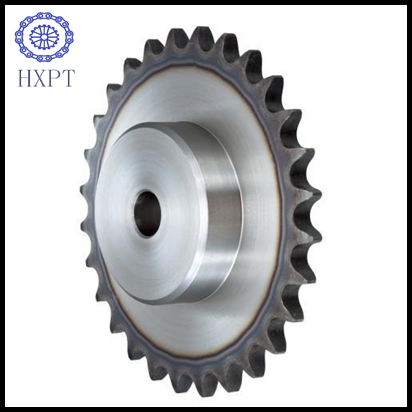
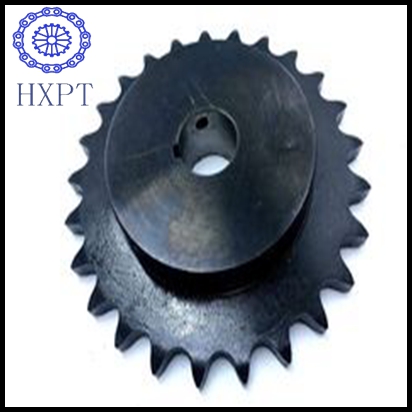
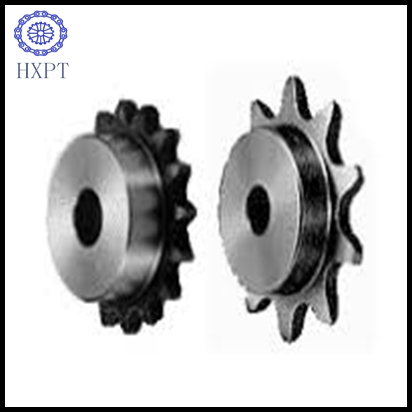
- Hub Configuration: Clearly define the hub type: Type A (flat, no hub), Type B (hub on one side), or Type C (hub on both sides).
| Bore Type | Typical Application | Sourcing Consideration |
|---|---|---|
| Pilot Bore (Rough Stock) | Distributors holding inventory for custom machining | Lowest unit cost; requires secondary machining by the end-user. |
| Finished Bore (with Keyway/Setscrew) | OEM equipment assembly lines | Requires precise tolerance specifications (e.g., H7 bore tolerance). |
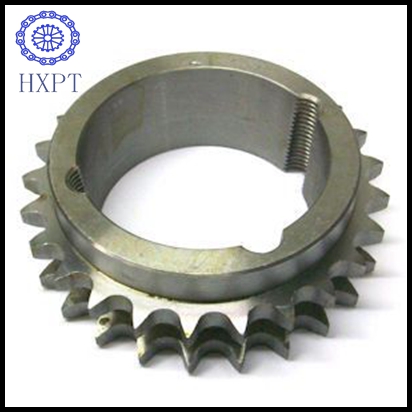
| Taper Bored | High-torque applications requiring quick installation | Must match specific taper bush standards (e.g., 1610, 2517). |
Need help verifying a manufacturer's machining capabilities? We connect buyers with vetted factories equipped for high-precision power transmission components.
Discuss your specificationsManufacturing Tolerances and Heat Treatment
The longevity of a sprocket is largely determined on the factory floor during the gear hobbing and heat treatment stages. Many lower-tier suppliers skip critical finishing steps to reduce costs.
Blank Machining
The initial steel blank is turned on a CNC lathe. Concentricity between the bore and the outside diameter is established here. High runout at this stage cannot be corrected later.
Tooth Hobbing
The tooth profile is cut. Precision hobbing machines ensure the pitch diameter perfectly matches the chain. Worn tooling at the factory leads to poor tooth profiles.
Induction Hardening
Critical for wear resistance. Only the teeth should be hardened (typically to HRC 45-50), leaving the core and hub ductile to absorb shock loads.
Surface Finishing
Options include black oxide (standard corrosion resistance), zinc plating, or electrophoretic deposition (EPD) for harsh environments.
When evaluating a new supplier, it is highly recommended to conduct factory audits to verify their in-house heat treatment capabilities. Factories outsourcing their induction hardening often struggle with consistency, leading to batches with brittle teeth that snap under load.
Essential Quality Control Checks
Before shipment, rigorous quality control & inspection is necessary. Ensure your inspection plan covers:
- Hardness testing on the tooth flank (verify HRC levels and depth of case hardening).
- Runout measurement (radial and axial) to ensure concentricity and prevent chain vibration.
- Bore tolerance verification using Go/No-Go gauges.
- Surface finish inspection for uniform coating and absence of machining burrs.
Sourcing Mechanics: MOQs, Lead Times, and Pricing
Pricing for standard sprockets is heavily tied to raw material costs (steel) and order volume. Custom sprockets require new tooling or dedicated CNC programming, which impacts both lead time and minimum order quantities.
If you are developing proprietary equipment, utilizing specialized OEM/ODM services ensures your custom tooth profiles, specialized bore splines, or lightening holes are manufactured exactly to your engineering drawings.
Looking to consolidate your power transmission supply chain? Talk to our team about securing reliable volume production and managing logistics.
Get a sourcing quoteFrequently Asked Questions
Successfully sourcing sprockets at scale means looking past the unit price and scrutinizing the factory's machining tolerances and heat treatment consistency. By establishing strict technical specifications and enforcing pre-shipment inspections, you can secure durable power transmission components that keep your customers' operations running smoothly.
Get Sourcing Help for Sprockets
Tell us your requirements and our experts will connect you with verified manufacturers.