Spraying Machinery
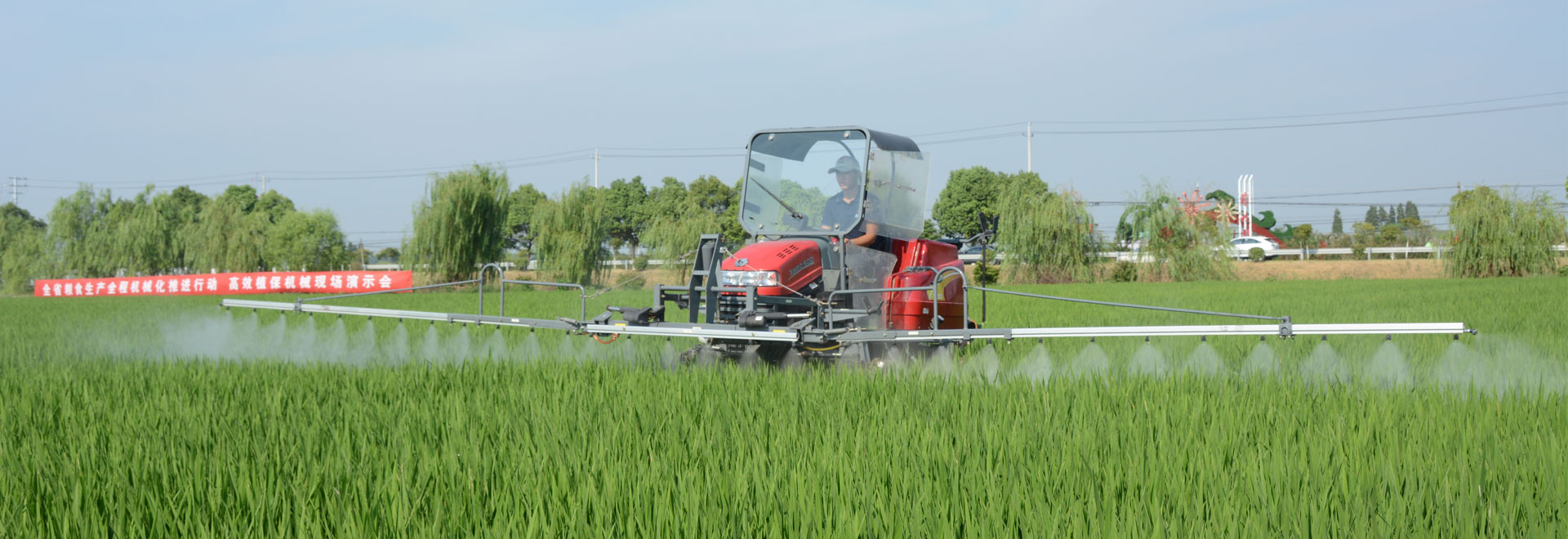
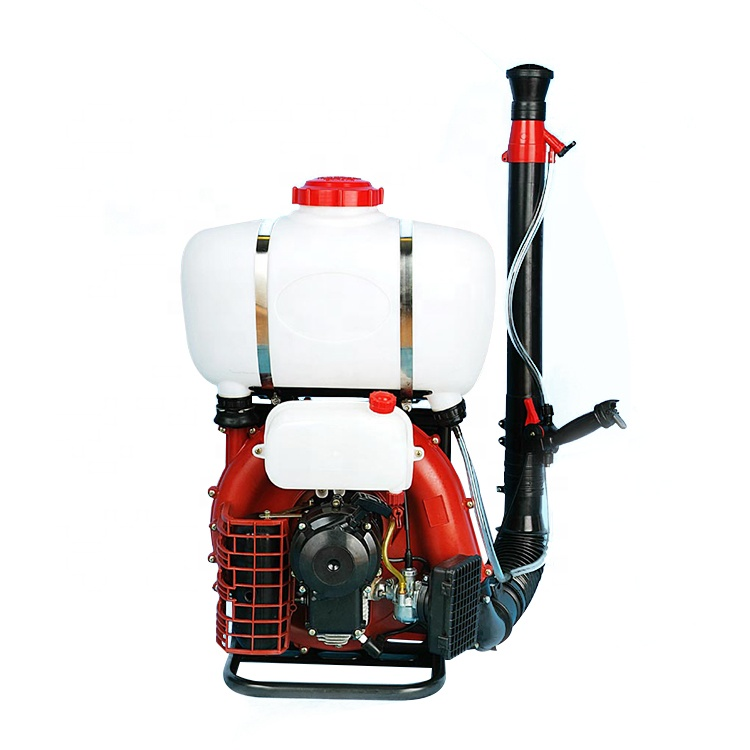
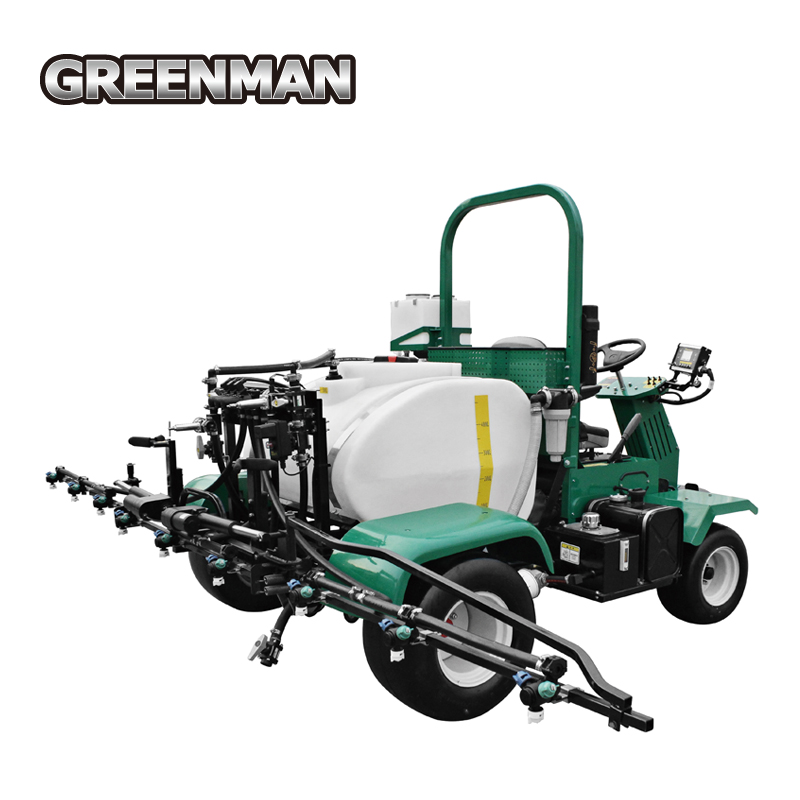
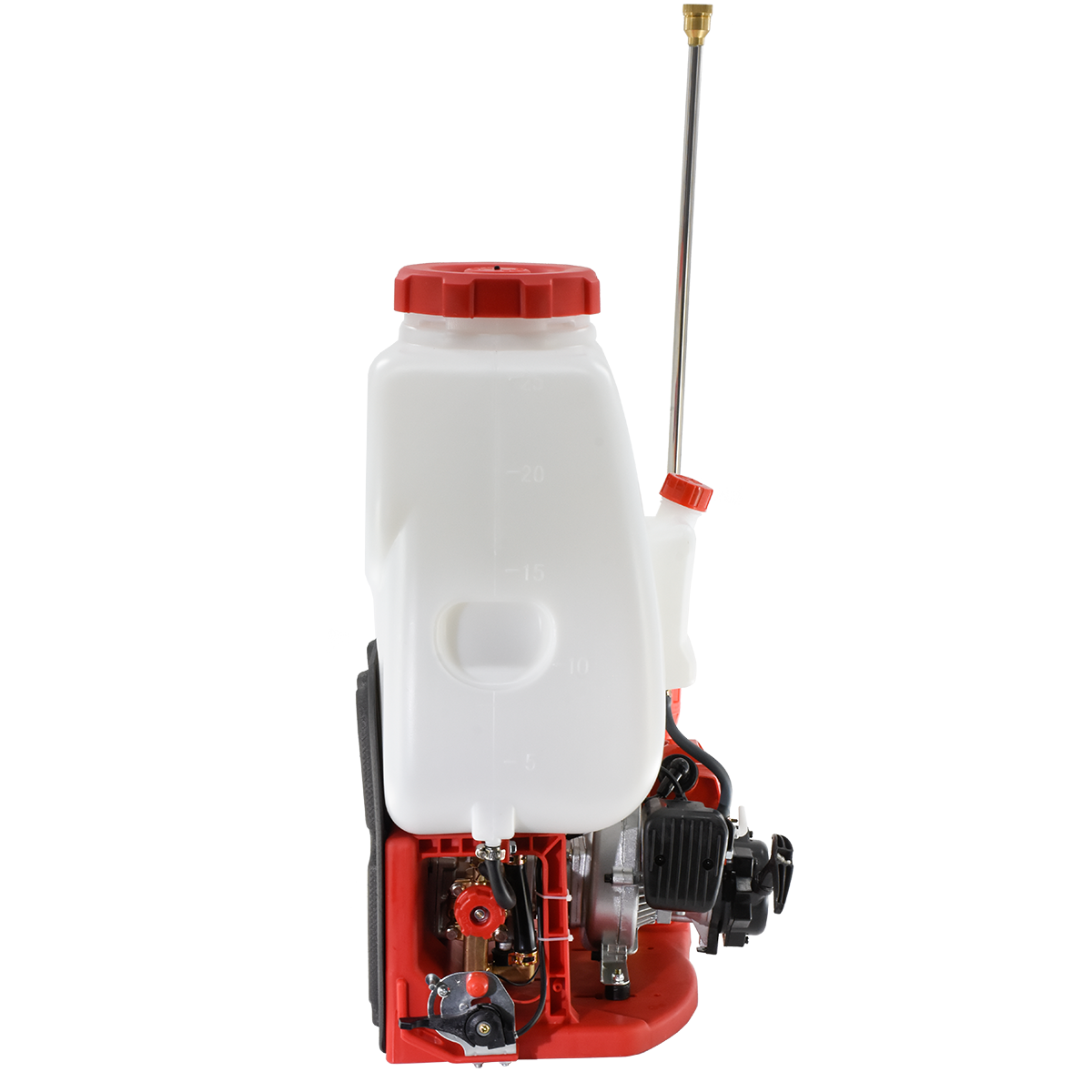
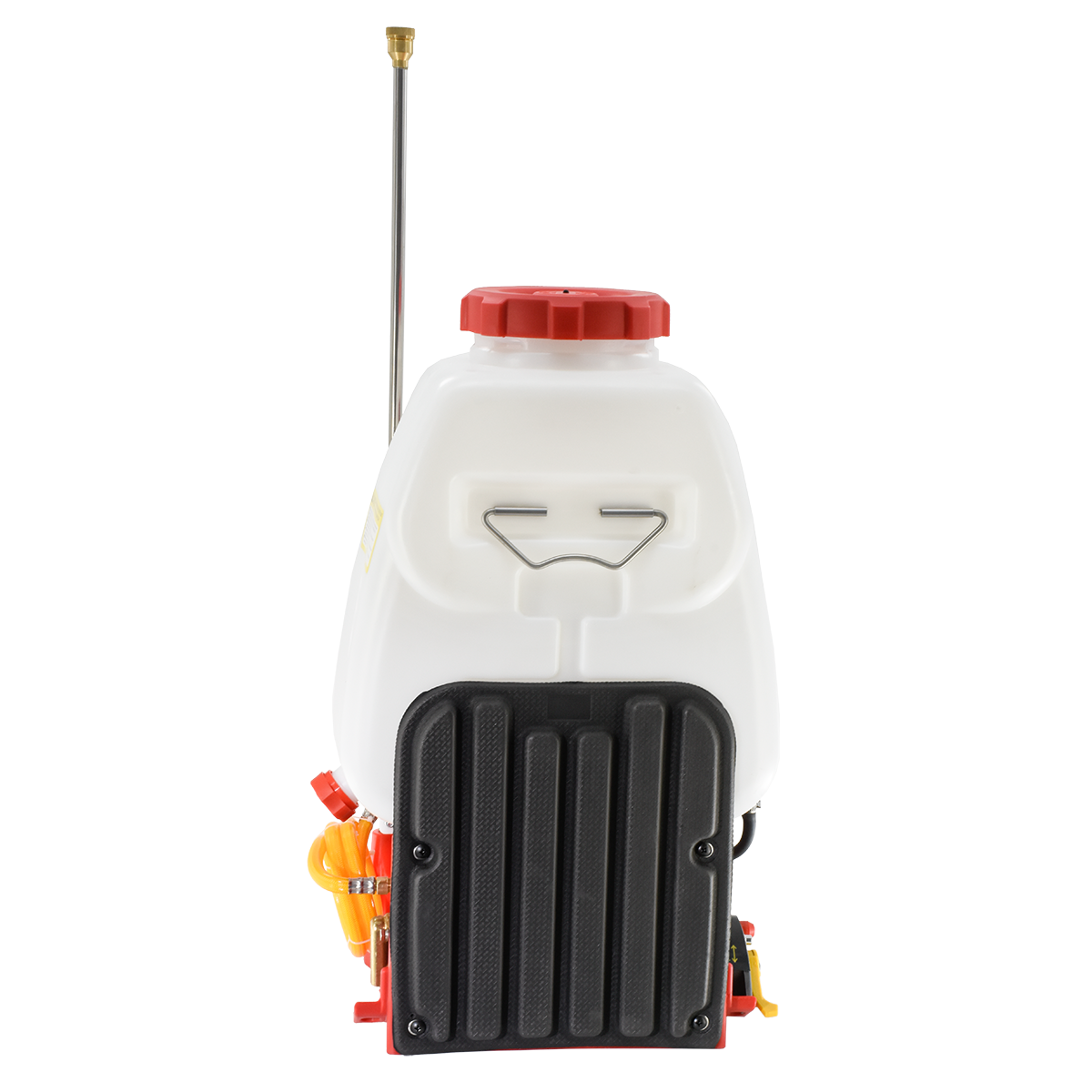
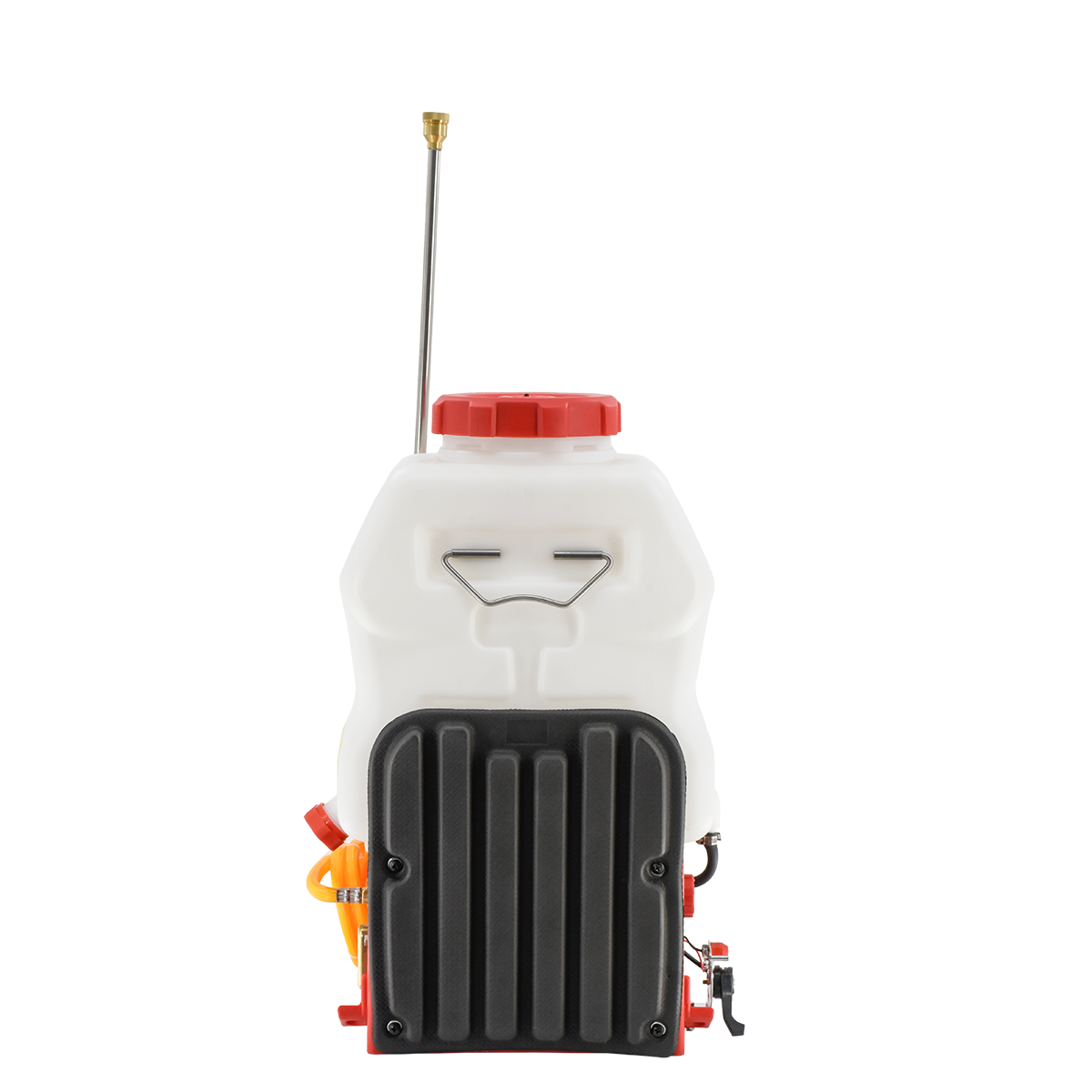
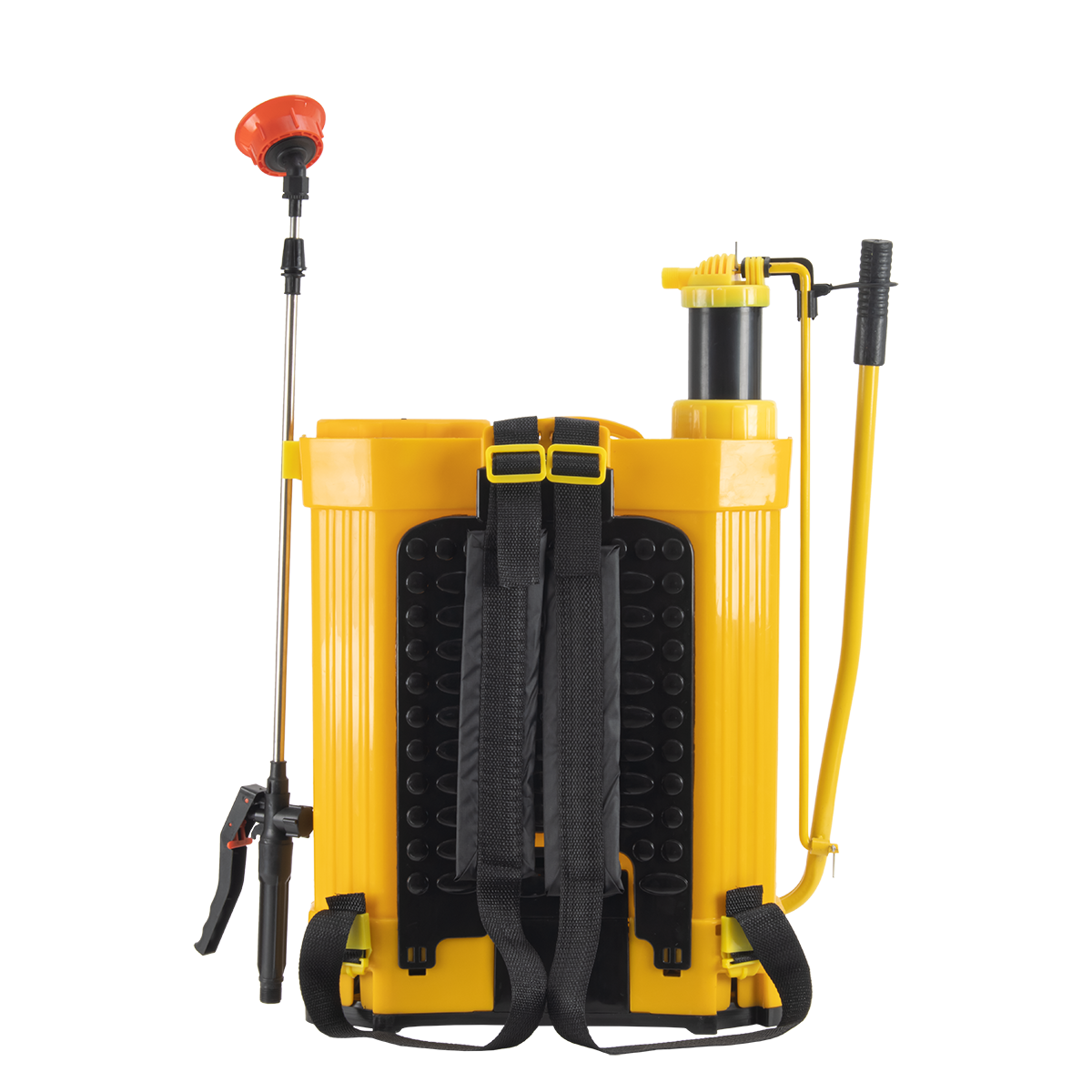
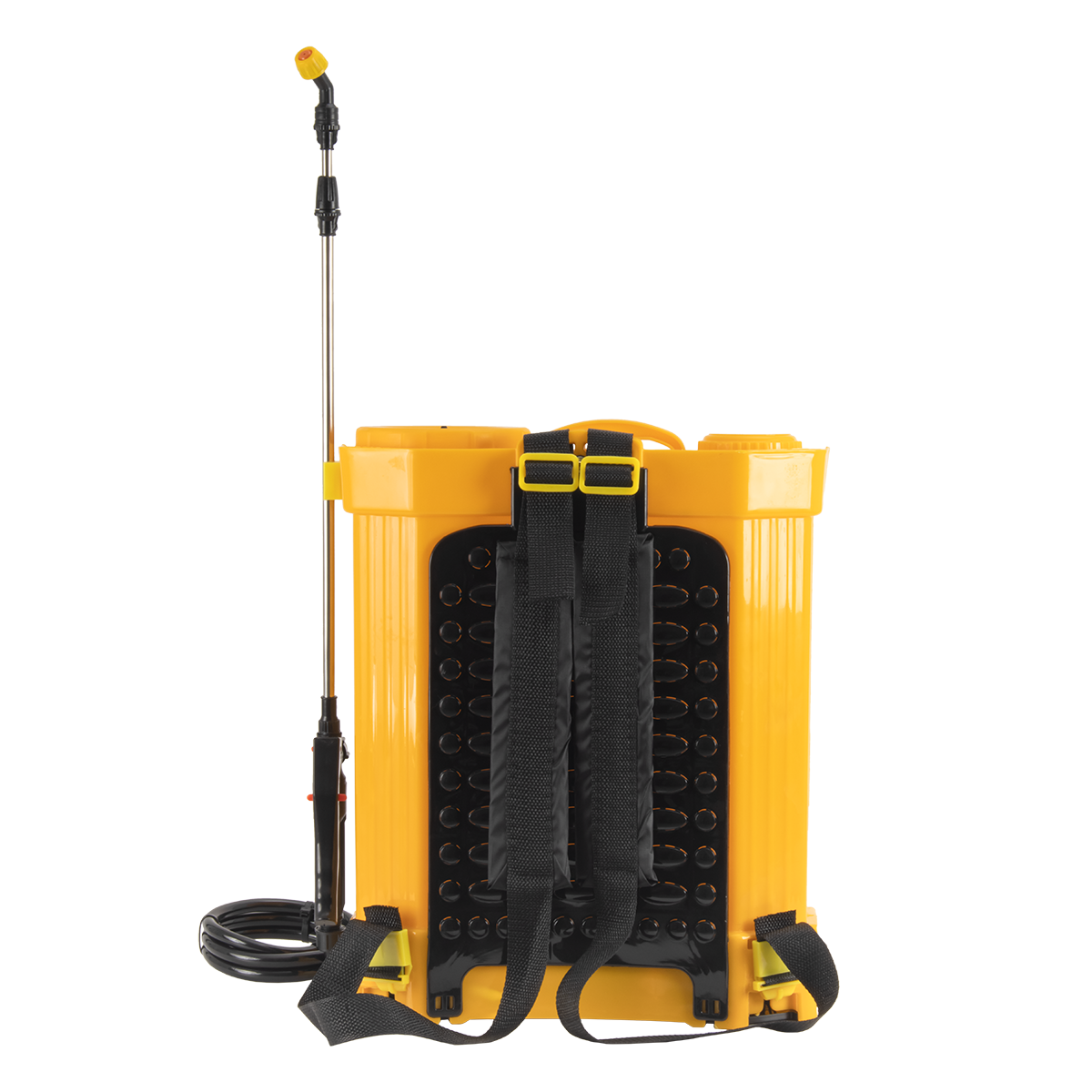
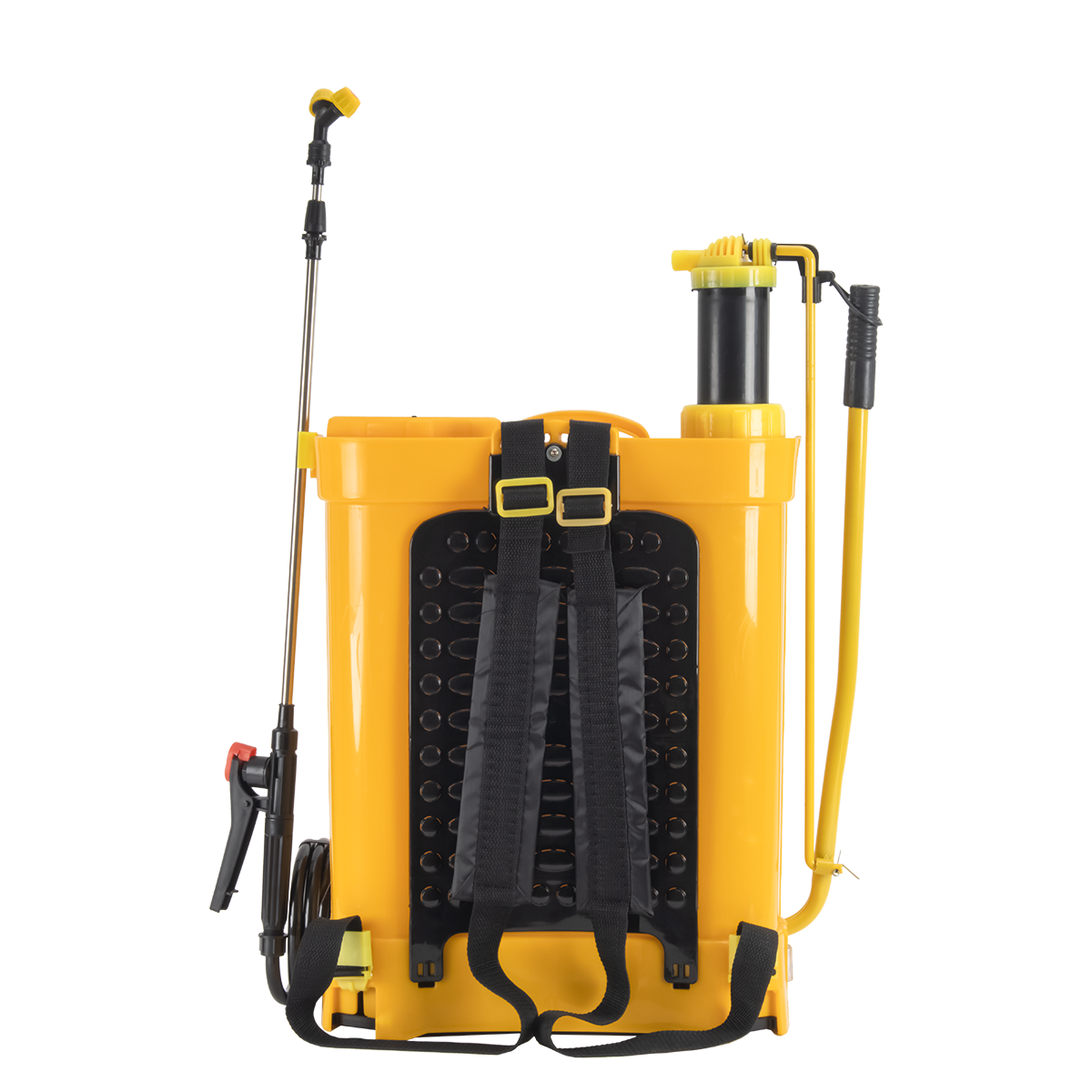
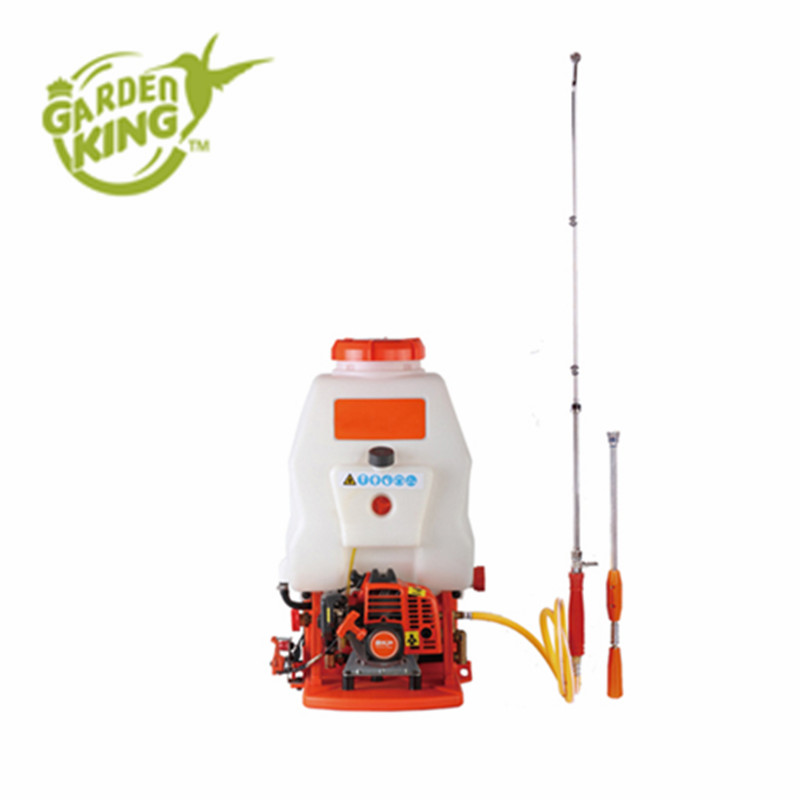
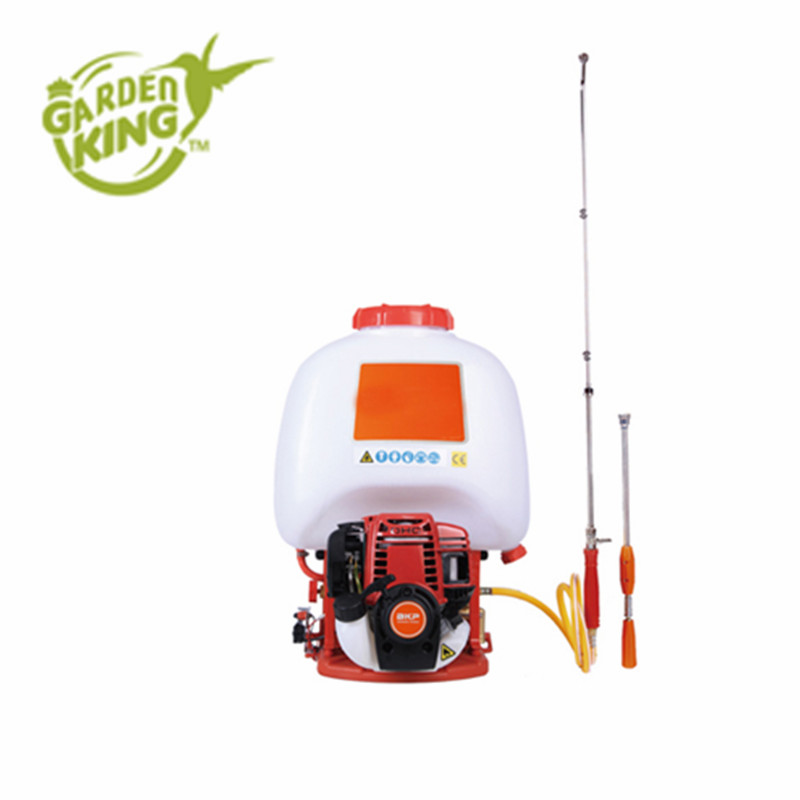
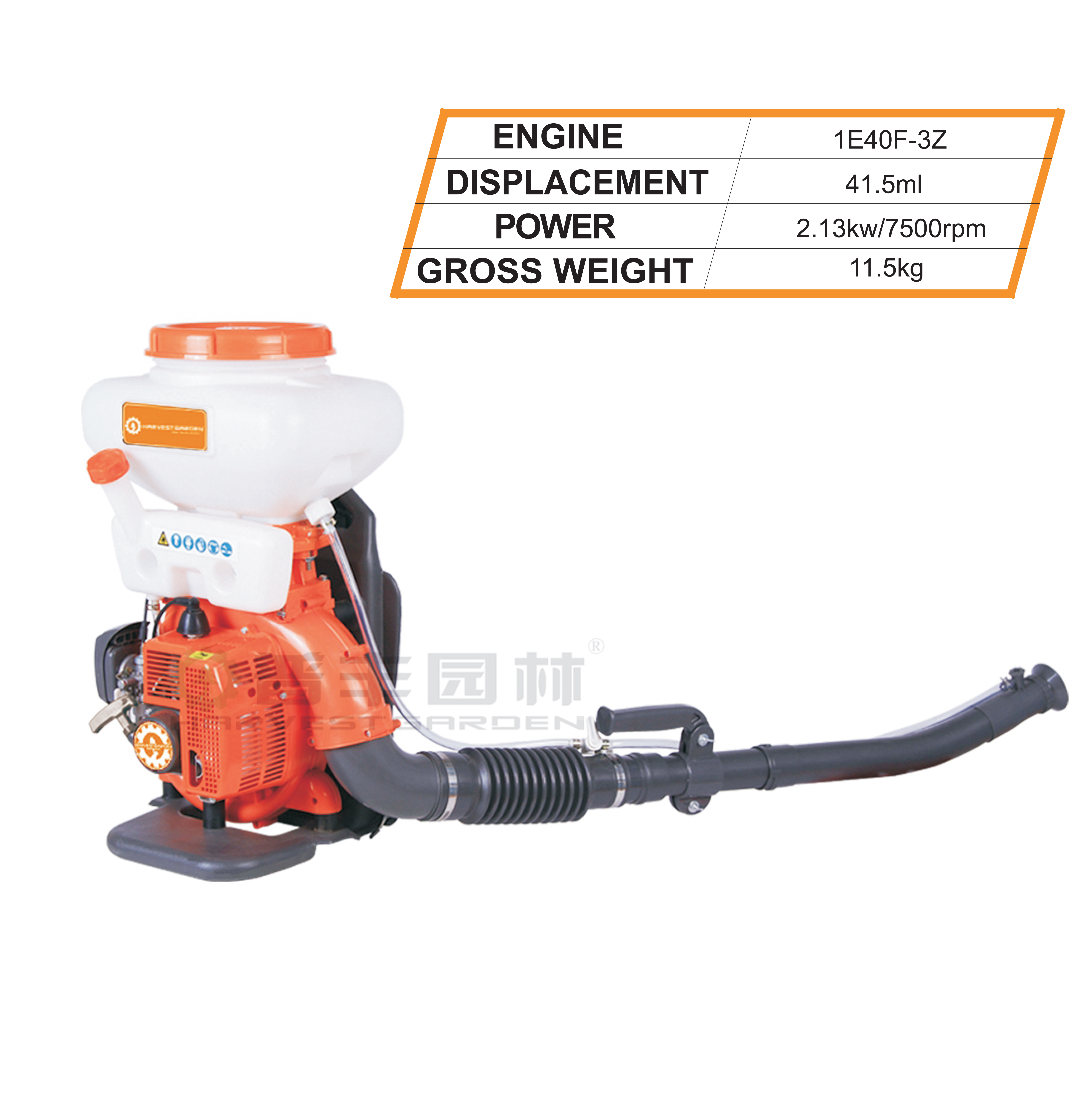
Source professional-grade spraying machinery directly from vetted manufacturers and wholesale suppliers. Designed for agricultural equipment importers, distributors, and brands requiring reliable OEM production, our network delivers high-capacity plant protection solutions built for global compliance.
Agricultural spraying machinery must operate flawlessly under demanding field conditions while handling corrosive chemicals and maintaining precise pressure outputs. Sourcing these units in bulk requires moving beyond surface-level specifications to scrutinize the core engineering: pump architecture, pressure regulation, and material durability. When dealing with overseas manufacturers, ensuring consistency across a high-volume order means verifying that the factory's assembly and testing protocols match your market's regulatory and performance standards.
Core Component Specifications
The reliability of any agricultural sprayer comes down to its pump system and the chemical resistance of its wetted parts. Buyers must specify the exact requirements for these components to avoid premature field failures.
Pump Architecture: Diaphragm vs. Piston
Choosing the right pump technology dictates the machine's application and lifespan. Manufacturers typically offer two primary architectures, each suited to different operational profiles.
| Pump Type | Diaphragm Pumps | Piston Pumps |
|---|---|---|
| Primary Application | Abrasive and corrosive chemicals | High-pressure canopy spraying |
| Pressure Capability | Low to moderate | High to very high |
| Chemical Resistance | Excellent (fluid isolated from moving parts) | Moderate (seals exposed to fluid) |
| Field Maintenance | Straightforward diaphragm replacement | Complex seal and cylinder servicing |
Tank Materials and UV Resistance
Tanks must withstand not only the internal chemical payload but also external environmental degradation. High-Density Polyethylene (HDPE) is the industry standard, but the key differentiator in factory quality is the inclusion of UV stabilizers during the extrusion or rotational molding process. Without verified UV inhibitors, tanks will become brittle and crack after prolonged sun exposure.
Need reliable manufacturing for agricultural sprayers? We connect you with vetted factories proven to meet strict international standards.
Talk to our teamManufacturing Quality and Inspection Points
Quality fade in spraying machinery often manifests in the sealing systems and pressure regulation valves. Standard rubber O-rings will fail rapidly when exposed to modern agricultural chemicals. You must specify Viton, PTFE, or equivalent chemical-resistant elastomers for all seals and gaskets.
Verifying these components requires robust Quality Control & Inspection protocols at the factory level. Relying solely on the supplier's internal QC is risky; third-party verification is essential to catch assembly errors before shipment.
Critical Pre-Shipment Inspection Points
- Verify material certificates for all chemical-resistant seals (Viton/PTFE).
- Conduct hydrostatic pressure tests at 1.5x maximum working pressure to check for micro-leaks.
- Inspect UV stabilizer documentation for all HDPE tank batches.
- Test nozzle flow rate uniformity and spray pattern consistency.
- Verify engine or motor integration and vibration dampening mounts.
Assessing a factory's capability to maintain these standards consistently is critical. Conducting comprehensive Factory Audits ensures the supplier has the necessary testing rigs, such as automated pressure testing stations and secure assembly lines, rather than just relying on manual spot checks.
Pricing Drivers, MOQs, and Lead Times
Unit costs for spraying machinery fluctuate based on pump origin (domestic Chinese pumps vs. imported Italian or Japanese pumps), engine brand integration, and tank capacity. Customization also plays a significant role in production timelines.
For brands looking to differentiate their product lines, engaging in OEM/ODM Services allows for custom tank geometries, proprietary boom configurations, and tailored pressure control systems. Keep in mind that custom molds for large-capacity tanks require significant upfront investment and extend initial lead times.
Optimize your unit costs and secure your supply chain. Let us handle the factory negotiations, QC, and logistics for your bulk orders.
Get a free consultationFrequently Asked Questions
Sourcing durable, high-performance spraying machinery requires strict oversight of component specifications and assembly standards. By mandating rigorous QC protocols and partnering with factories that possess proven engineering capabilities, importers can secure reliable equipment that stands up to the rigors of modern agriculture.
Get Sourcing Help for Spraying Machinery
Tell us your requirements and our experts will connect you with verified manufacturers.