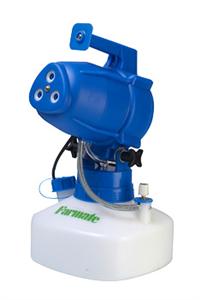
Sprayers
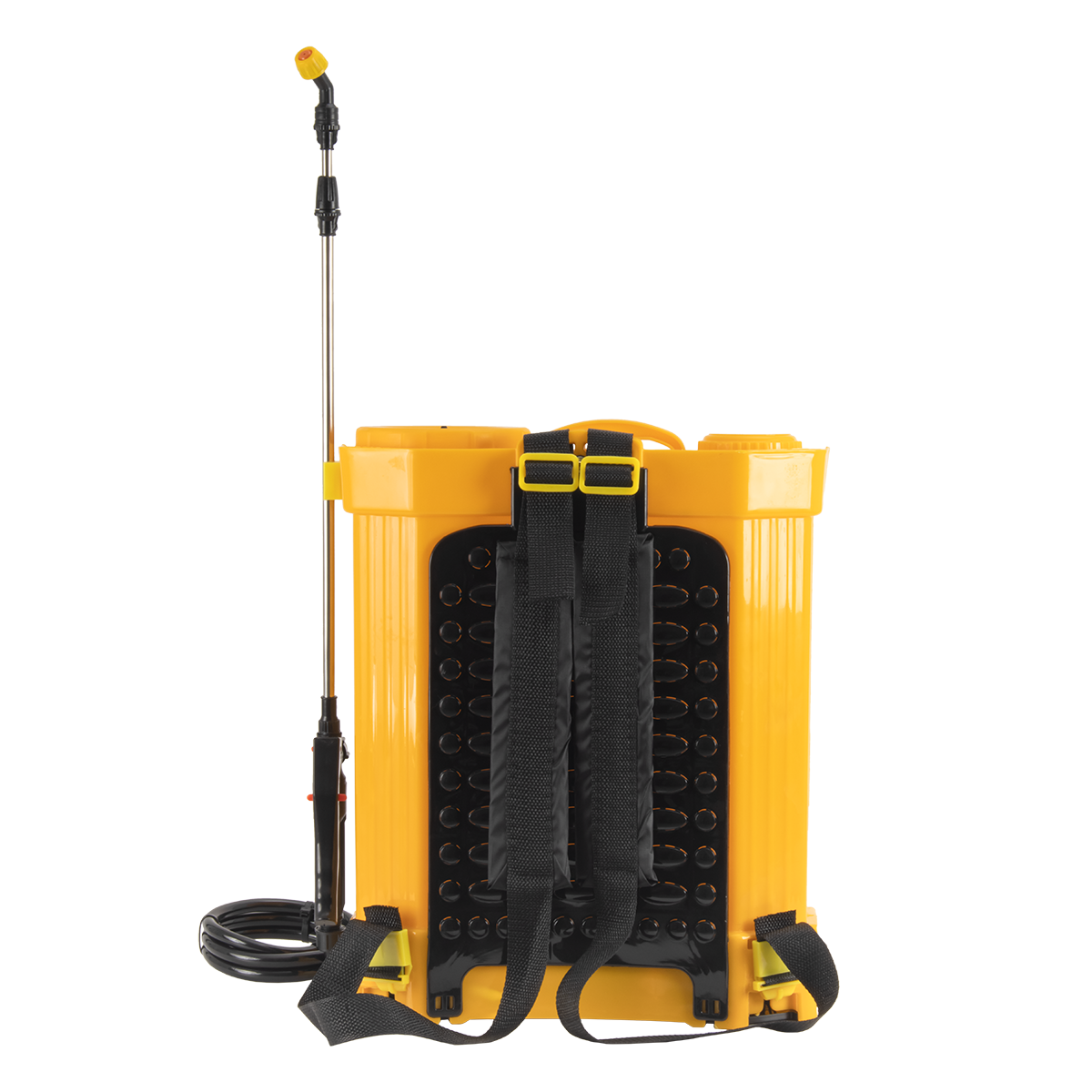
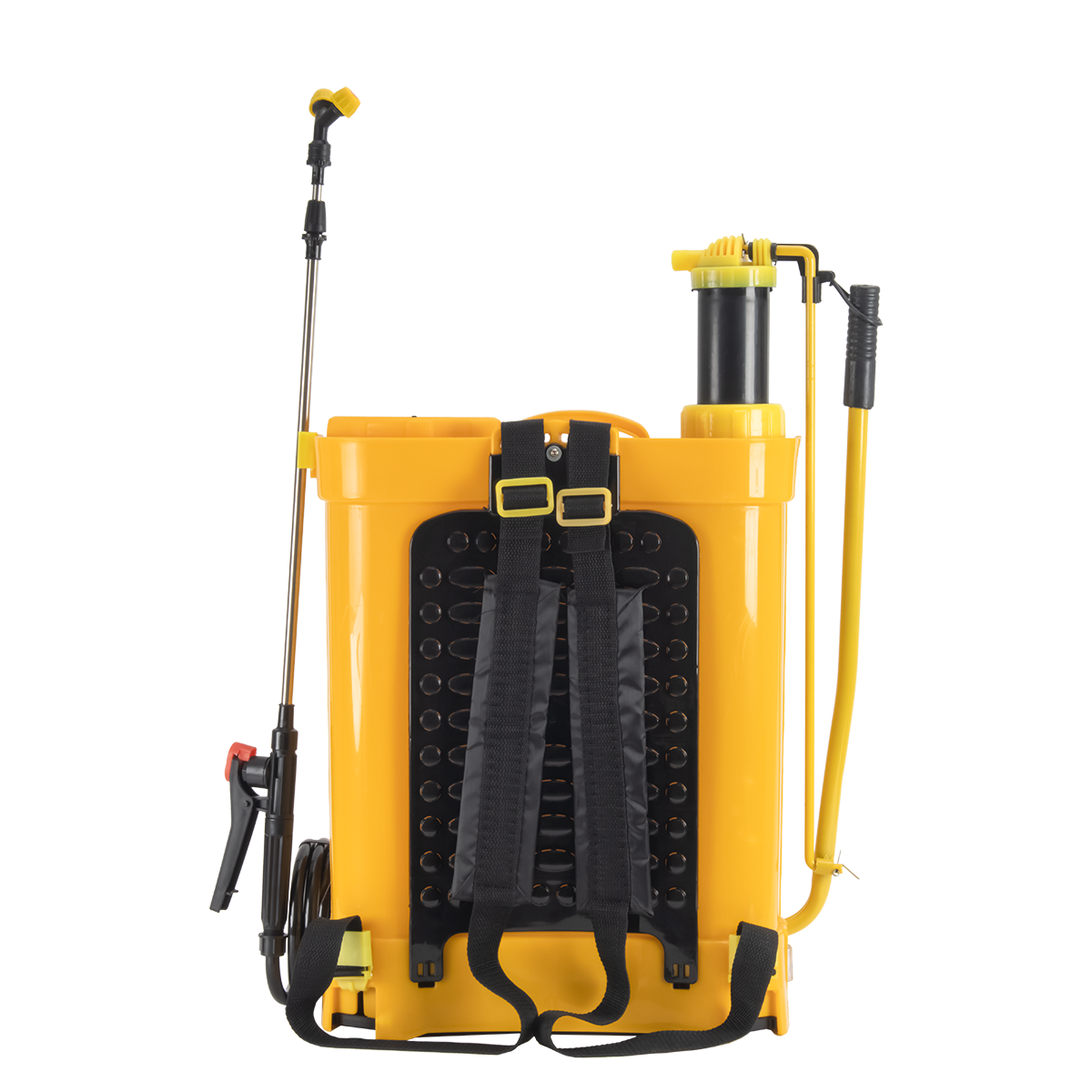
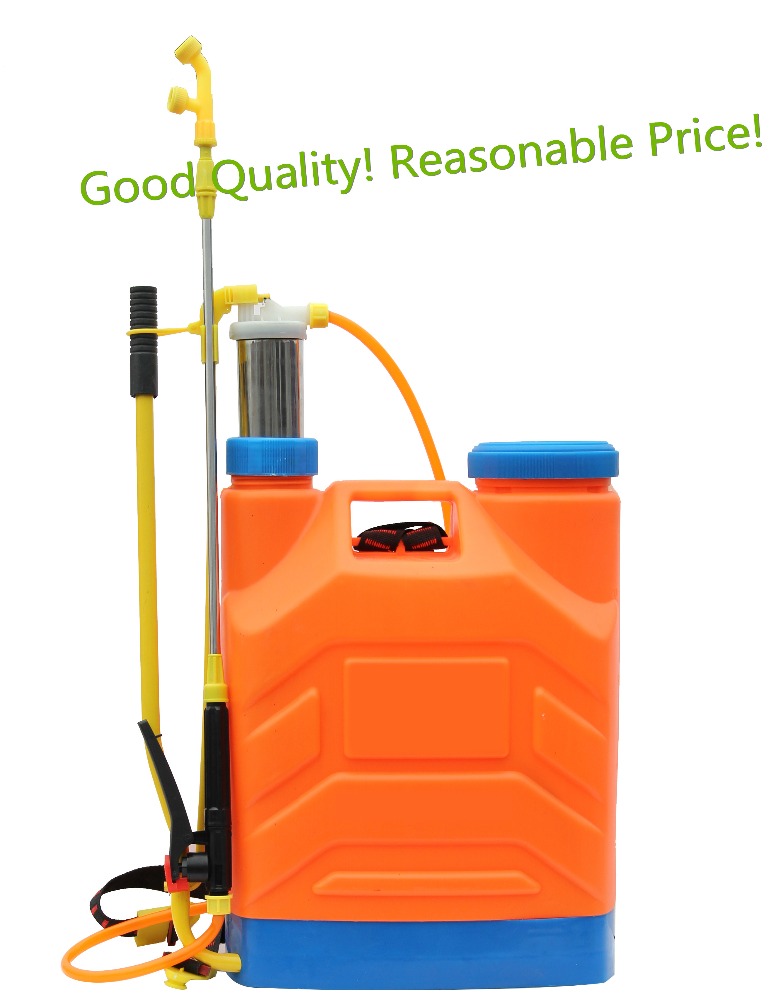
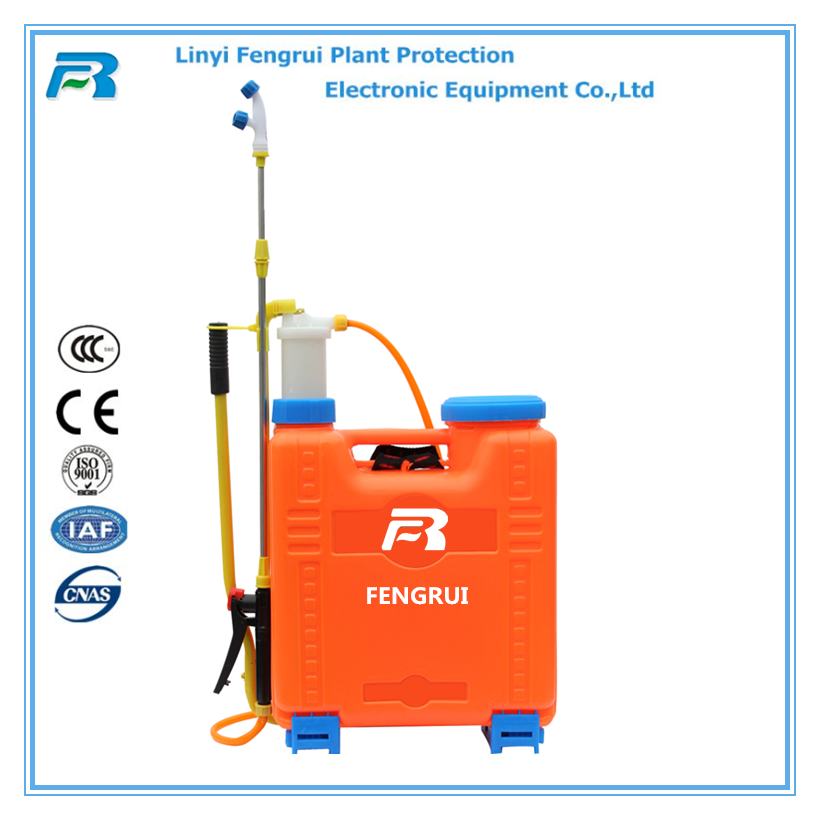
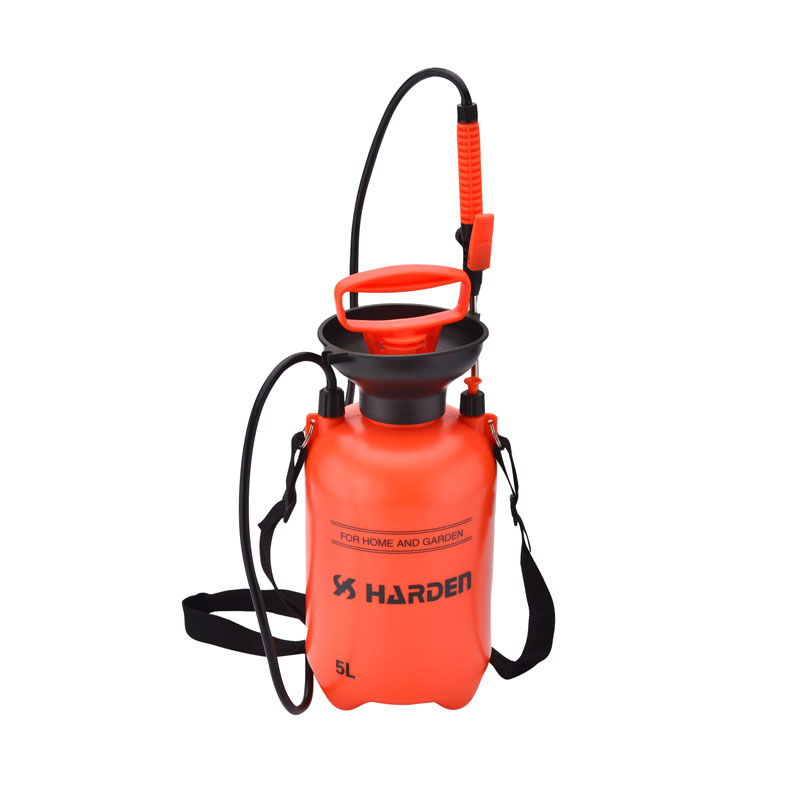
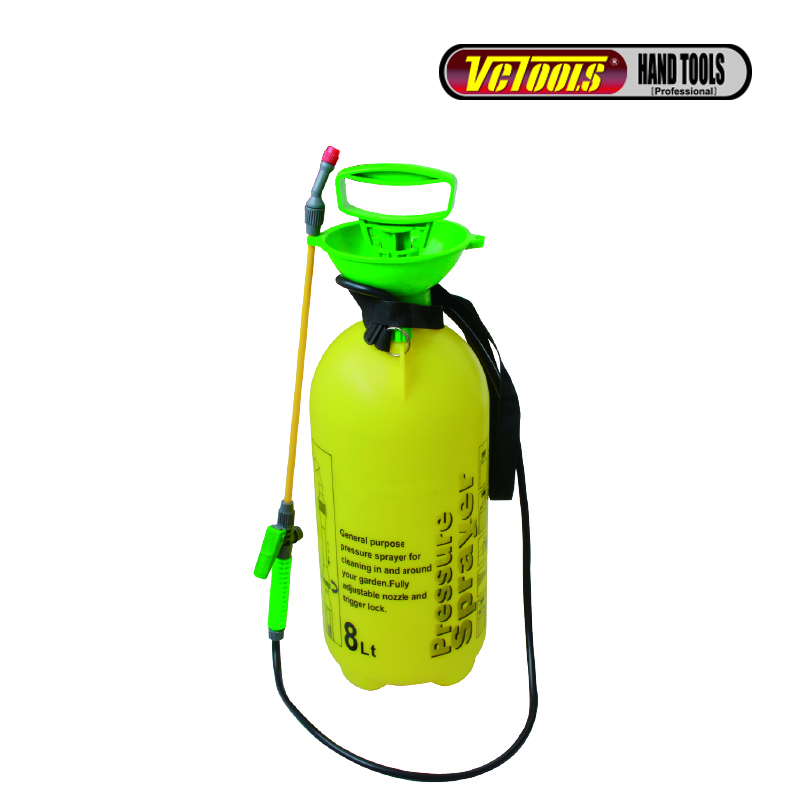
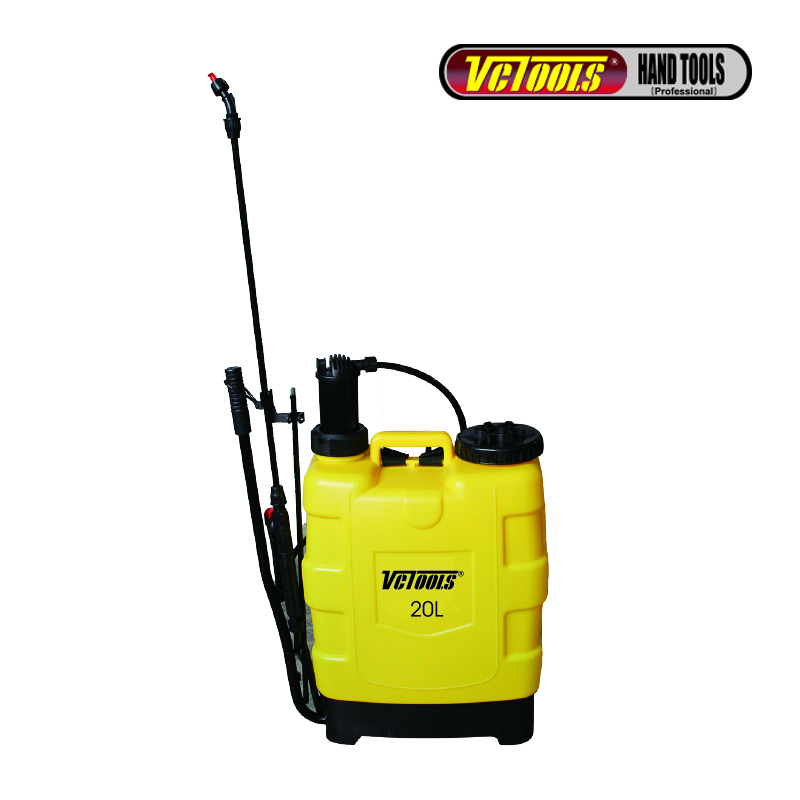
Source high-quality garden and agricultural sprayers from vetted manufacturers and wholesale suppliers. Designed for importers, wholesale distributors, and brands seeking reliable OEM and private-label production, our network delivers bulk watering solutions engineered for durability, consistent pressure, and chemical resistance.
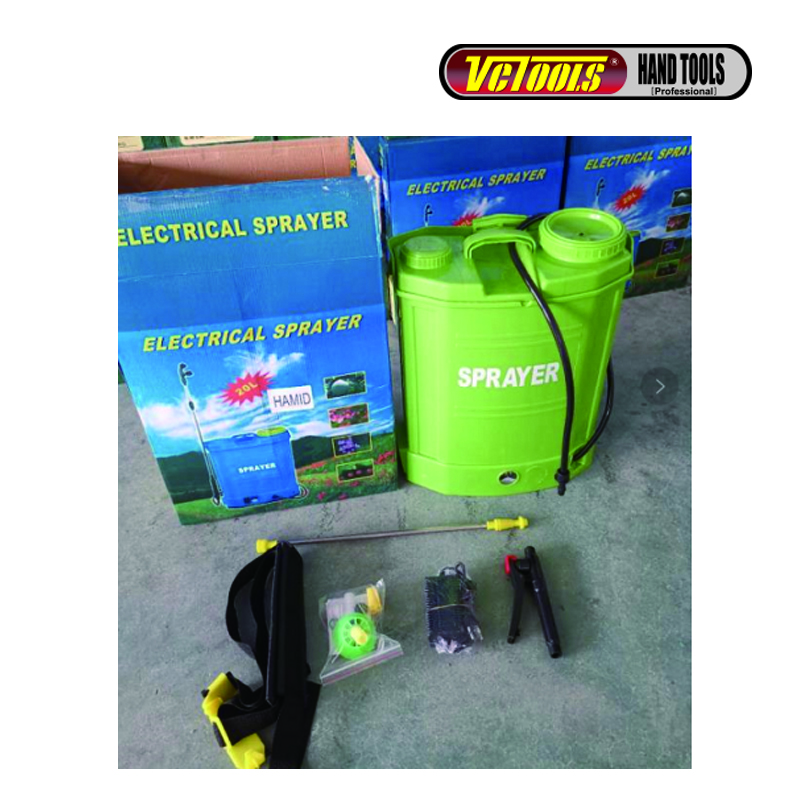
Sourcing sprayers in high volumes requires balancing unit cost with long-term reliability. Whether you are importing manual pressure sprayers for home garden retail or battery-operated agricultural units, the core sourcing challenge remains the same: ensuring the factory uses virgin polymers for tank integrity and the correct elastomer seals to prevent chemical degradation. A failure in either area leads to immediate customer returns and brand damage.
Core Component Specifications
To secure a reliable product, buyers must look past the external casing and dictate the specifications of the internal components. Factories often substitute cheaper materials in the pump assembly or seals to lower their quotes.
Pump Mechanisms
The pump is the engine of the sprayer. Most garden and agricultural sprayers utilize one of two pump designs:
- Piston Pumps: The most common and cost-effective design. They generate higher pressure (up to 90 PSI) and are ideal for liquid herbicides and fertilizers. However, they are susceptible to wear if used with wettable powders or abrasive solutions.
- Diaphragm Pumps: Designed with a flexible membrane rather than a sliding piston. They max out at lower pressures (around 60 PSI) but are highly resistant to abrasive chemicals and powders since there is no friction within a cylinder.
Tank Construction
Tanks must be blow-molded or injection-molded using High-Density Polyethylene (HDPE). Ensure your supplier uses virgin HDPE rather than recycled regrind, which severely compromises the tank's drop-impact resistance and UV stability. Wall thickness should be specified; a standard 16-liter tank should have a wall thickness of at least 2.5mm to 3.0mm to withstand internal pressure and rough handling.
Seal and Gasket Materials
The choice of O-rings and seals dictates the sprayer's chemical compatibility. Specifying the wrong material is the most common cause of premature leakage.
| Seal Material | Cost Profile | Chemical Compatibility | Best Application |
|---|---|---|---|
| NBR (Nitrile) | Low | Water, mild fertilizers | Standard garden watering |
| EPDM | Medium | Alkaline solutions, some acids | Cleaning chemicals, specific agriculture |
| FKM (Viton) | High | Harsh chemicals, petroleum-based | Heavy-duty herbicides, industrial use |
Struggling to verify supplier component claims? Let us handle the technical vetting and factory negotiations.
Talk to our teamManufacturing Quality and Defect Prevention
Consistent quality in sprayer manufacturing relies on strict process controls during plastic molding and final assembly. A factory's ability to maintain tight tolerances on pump cylinders and nozzle threads directly impacts the pressure retention of the final unit.
Conducting thorough factory audits prior to placing an order is essential to verify the manufacturer's testing infrastructure. A reliable factory will have automated pressure testing stations on the assembly line.
Critical Pre-Shipment Inspection Checks
- Pressure Retention Test: Unit must hold maximum rated pressure for 10 minutes without dropping more than 5%.
- Drop Testing: Fully loaded tanks dropped from 1 meter onto concrete to verify seam integrity.
- Spray Pattern Verification: Testing the brass or poly nozzles for consistent atomization and lack of dripping.
- Strap/Handle Load Test: Applying 1.5x the maximum loaded weight to carrying straps and handles.
- Material Verification: Confirming the presence of specified FKM/Viton seals rather than NBR substitutes.
Implementing rigorous quality control protocols ensures these checks are performed before the container is loaded, preventing defective batches from reaching your warehouse.
OEM Customization and Private Labeling
For brands looking to differentiate, sprayers offer excellent opportunities for customization. While developing a completely new tank mold requires significant capital (often upwards of $5,000 to $10,000 depending on complexity), most factories offer extensive OEM/ODM services using existing molds.
You can customize the tank color (requiring Pantone matching and UV stabilizers), specify upgraded brass wands instead of fiberglass, and design custom retail packaging. Be aware that custom colors require the factory to purge their molding machines, which directly impacts minimum order quantities.
Typical MOQs, Lead Times, and Pricing Drivers
Pricing in this category is heavily influenced by petroleum costs (which dictate the price of HDPE resin), the type of pump mechanism, and the grade of seals used.
When negotiating, clarify if the quoted price includes standard poly nozzles or upgraded brass adjustable nozzles. Also, confirm the packaging specifications—bulk nested packing is cheaper but risks scuffing, while individual color boxes increase volumetric weight for shipping.
Need accurate pricing and lead times for your specific sprayer requirements?
Get a free consultationFrequently Asked Questions
Sourcing Insight
Successfully sourcing sprayers in bulk means looking past the outer plastic shell and rigorously defining the internal specifications. By mandating virgin HDPE, specifying the exact seal materials for your target application, and enforcing strict pressure-retention testing at the factory level, you protect your brand from costly defect rates. If you need experienced oversight to manage supplier vetting, component verification, and final inspections, our team is ready to assist.
Get Sourcing Help for Sprayers
Tell us your requirements and our experts will connect you with verified manufacturers.