Sprayers
Source high-quality sprayers directly from vetted manufacturers and wholesale suppliers. Designed for importers, hardware distributors, and agricultural brands, our sourcing and OEM/ODM production services ensure reliable pressure retention, durable components, and consistent performance across your entire bulk order.
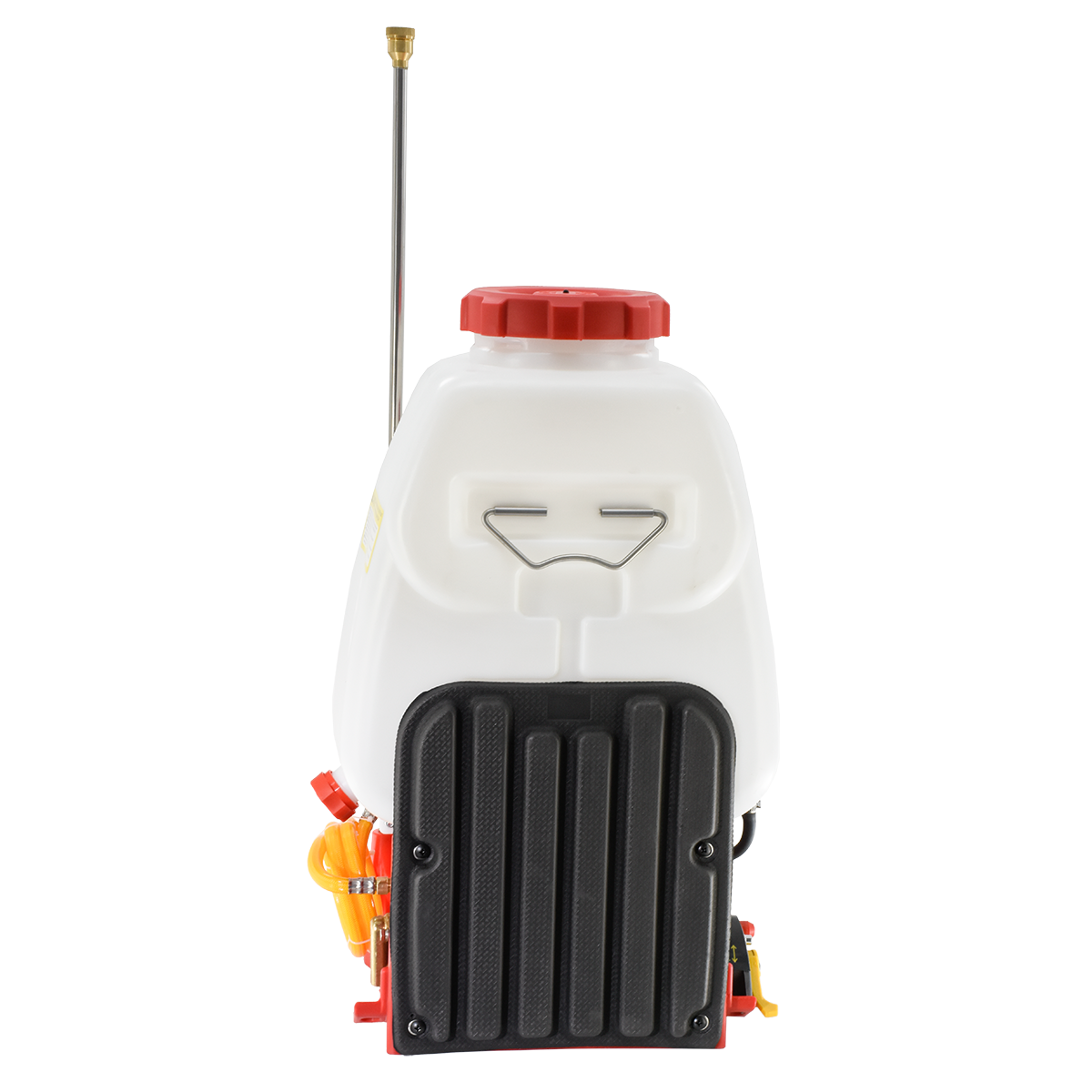
Sourcing garden and agricultural sprayers in volume requires strict attention to fluid dynamics, chemical compatibility, and pressure vessel integrity. Whether you are procuring manual knapsack models or battery-powered units, the difference between a reliable product and a costly return rate lies entirely in the component specifications and the manufacturer's quality control standards.
When buying in bulk, assuming all high-density polyethylene (HDPE) tanks or brass nozzles are created equal is a mistake. You need to dictate exact material grades, pump tolerances, and testing protocols to the factory before production begins.
Core Specifications and Component Selection
The longevity of a sprayer depends heavily on its seals, pump mechanism, and tank construction. Factories often reduce costs by substituting inferior materials in places buyers rarely check, such as internal O-rings or pump cylinders.
Seal and Gasket Materials
Chemical resistance is the primary failure point in sprayers. Standard agricultural chemicals, herbicides, and fertilizers degrade basic rubber rapidly, leading to loss of pressure and leaks. You must specify the seal material based on the intended end-use of the product.
| Seal Material | Chemical Resistance | Typical Application | Cost Impact |
|---|---|---|---|
| Nitrile (NBR) | Basic (Water, mild detergents) | Entry-level garden sprayers | Baseline cost |
| Viton (FKM) | High (Harsh chemicals, solvents) | Professional/Agricultural | Premium surcharge |
| EPDM | Excellent for alkaline solutions | Industrial cleaning | Moderate surcharge |
Pump Mechanisms
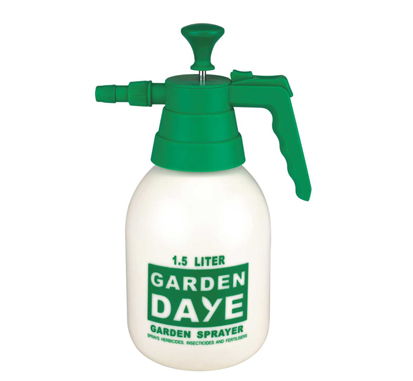
For manual sprayers, piston pumps are standard and generate higher pressure, making them ideal for fine misting. However, they are susceptible to abrasive wettable powders. Diaphragm pumps, while producing slightly lower pressure, handle abrasive solutions much better. For electric models, specify the exact flow rate (e.g., liters per minute) and ensure the internal micro-pump features corrosion-resistant diaphragms.
Need help identifying factories capable of producing commercial-grade sprayers with premium Viton seals and custom pump mechanisms? Let's discuss your technical requirements.
Talk to our teamTank Construction and Wall Thickness
Tanks are typically blow-molded from PE or PP. A common factory shortcut is reducing the resin weight, resulting in thin walls that warp under pressure or crack if dropped. Specify a minimum wall thickness (typically 2.5mm to 4.0mm depending on capacity) and require UV-stabilized additives if the product will see heavy outdoor use.
Manufacturing Vulnerabilities and Quality Control
The manufacturing floor is where design specifications are either realized or compromised. Evaluating a supplier requires looking past their showroom and understanding their assembly and testing lines. This is where Factory Audits become essential to verify their blow-molding capabilities and assembly line rigor.
Critical Pre-Shipment Inspection Points
- Pneumatic pressure testing: 100 percent of units must be tested for pressure retention (e.g., holding 3 Bar for 5 minutes without pressure drop).
- Drop testing: Filled tanks must survive standard height drops (typically 1.2 meters) without structural failure or seam splitting.
- Flow rate and spray pattern verification across all included nozzles.
- Battery load testing and charge-cycle verification for electric models.
- Visual inspection of blow-molded seams for flash or uneven thickness.
Relying on the factory's internal QC is risky. Implementing independent Quality Control & Inspection ensures these pressure and drop tests are actually performed on your batch, not just the golden samples.
OEM/ODM Customization
For brands looking to differentiate, sprayers offer significant OEM/ODM opportunities. Beyond custom colors and branded packaging, you can modify the core tooling.
If you are developing a proprietary design, you will need to invest in custom blow-molding tooling for the tank and injection-molding tooling for the handles and pump components. When utilizing OEM/ODM Services, ensure your contract explicitly outlines who owns the molds after production, as this is a common point of dispute with overseas suppliers.
MOQs, Lead Times, and Pricing Dynamics
Pricing for sprayers fluctuates based on raw resin costs (HDPE/PP), brass market prices (for lances and nozzles), and lithium-ion battery costs (for electric models).
Volume plays a significant role in pricing. Tooling amortization for custom designs usually requires orders exceeding 5,000 units to remain competitive per unit.
Looking to scale your sprayer procurement or develop a custom private-label line? We manage the entire process from factory sourcing to final delivery.
Get a free consultationBuyer FAQ
Successfully sourcing sprayers in bulk means treating them as the pressurized, chemical-handling tools they are. By strictly controlling your material specifications, demanding rigorous in-line pressure testing, and vetting your manufacturing partners thoroughly, you can eliminate the defect rates that plague poorly managed supply chains.
Get Sourcing Help for Sprayers
Tell us your requirements and our experts will connect you with verified manufacturers.