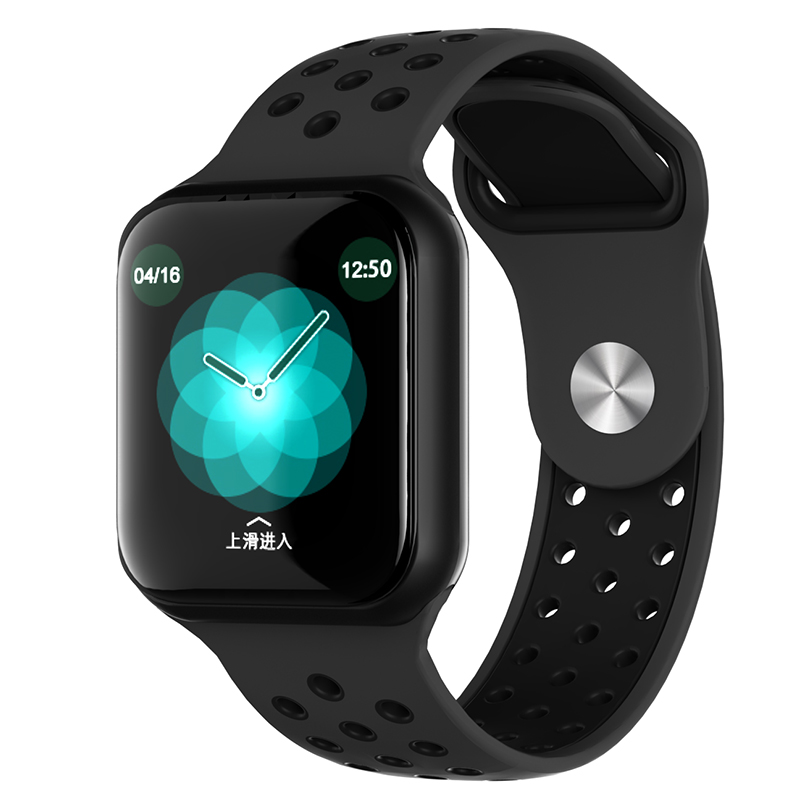
Sports Watches
Source premium sports watches in bulk from vetted manufacturers and suppliers. Designed for importers, wholesalers, and fitness brands seeking reliable OEM/ODM production, our network delivers high-performance timing and tracking devices built for scale.
Sourcing sports watches in volume requires navigating a complex, multi-tiered supply chain. A finished watch is an assembly of printed circuit boards (PCBs), biometric sensors, batteries, and customized casings, all tied together by firmware and a mobile companion app. For bulk buyers, the primary challenge is aligning hardware specifications with reliable software integration while maintaining strict quality control over environmental sealing.
Core Specifications and Component Selection
The capability of a sports watch is dictated by its internal architecture. When evaluating suppliers, you must look past the external casing and specify the exact components driving the device. The chipset determines power efficiency and Bluetooth stability, while the sensor array dictates the accuracy of the health metrics you advertise.
| Specification | Standard White-Label | Premium ODM/Custom |
|---|---|---|
| Main Chipset | Realtek or JieLi (Basic BT) | Nordic Semiconductor (Ultra-low power) |
| Display Technology | TFT LCD (Lower contrast) | AMOLED or Memory-in-Pixel (MIP) |
| Biometric Sensors | Single-LED PPG (Heart rate only) | Multi-LED PPG + SpO2 + ECG capable |
| Location Tracking | Connected GPS (Relies on phone) | Built-in Multi-band GNSS (Standalone) |
Many assembly factories purchase PCBA (Printed Circuit Board Assembly) modules from specialized design houses. It is critical to verify whether your supplier designs their own boards or relies on third-party turnkey solutions, as this impacts your ability to customize firmware and troubleshoot software bugs later.
Need help identifying factories with the right technical capabilities?
Discuss your project specsManufacturing and Quality Control Vectors
Quality in sports watch manufacturing is won or lost in assembly and testing. The most common points of failure for imported smart wearables are water ingress, battery swelling, and sensor calibration errors.
Because assembly involves sensitive electronics, executing thorough factory audits is essential. You need to ensure the facility operates clean-room environments for screen lamination to prevent dust inclusion and has the specialized equipment required for environmental testing.
Critical Inspection Points
A robust quality control & inspection protocol should go beyond basic visual checks and include functional stress testing:
Pre-Shipment Testing Requirements
- Pressure chamber testing for 3ATM or 5ATM water resistance verification.
- Battery charge/discharge cycle testing to identify parasitic drain.
- Bluetooth signal strength and stability testing at maximum advertised range.
- Sensor calibration checks against baseline medical or premium fitness devices.
- Cross-platform companion app pairing (iOS and Android latest versions).
OEM/ODM Customization and Software Integration
Brands scaling their own product lines typically utilize OEM/ODM services to differentiate their offerings. White-labeling an existing mold is the fastest route to market, allowing you to customize the strap materials, bezel colors, and packaging. Developing a custom case requires new tooling, which increases upfront costs but secures your intellectual property.
Equally important is the software ecosystem. Most factories provide a generic, white-labeled companion app (such as Da Fit or GloryFit) that can be branded with your logo. If you are developing a proprietary app, you must secure the SDK/API documentation from the factory's firmware team early in the process. Additionally, ensure the hardware undergoes proper compliance testing for CE, FCC, RoHS, and Bluetooth SIG certifications, which are mandatory for import into Western markets.
Pricing, MOQs, and Production Lead Times
Unit costs are highly sensitive to sensor quality, display type, and battery capacity. Custom tooling for new casings or proprietary firmware development will significantly alter both the timeline and the minimum order quantity.
Get realistic pricing and lead time estimates for your specific watch design.
Talk to our teamFrequently Asked Questions
Successful procurement of sports watches requires balancing hardware reliability with a seamless software experience. By focusing on chipset selection, rigorous environmental testing, and clear software integration terms, you can avoid the common pitfalls of wearable tech sourcing and deliver a product that performs reliably in the field.
Get Sourcing Help for Sports Watches
Tell us your requirements and our experts will connect you with verified manufacturers.