Sponges & Scouring Pads
Source high-quality sponges and scouring pads directly from vetted manufacturers across Asia. Designed for importers, wholesale distributors, and brands requiring reliable OEM and private-label production. Explore our network for bulk purchasing, custom material specifications, and consistent supply chain execution.
Sourcing sponges and scouring pads at scale requires strict attention to material density, abrasive bonding, and lamination integrity. While the product appears simple, inconsistent production can lead to rapid degradation, poor water retention, or immediate delamination in the final user's hands. For volume buyers, controlling these specifications at the factory level is the only way to ensure reliable product performance and protect your brand's reputation.
Material Specifications and Component Quality
The performance of a dual-sided sponge relies entirely on the quality of its two distinct layers and the adhesive that binds them. Buyers must specify exact parameters for both the foam and the non-woven abrasive pad.
| Component | Typical Spec Range | Critical Quality Indicator |
|---|---|---|
| Polyurethane (PU) Foam | 15 to 30 kg/m³ density | Rebound resilience and tear strength |
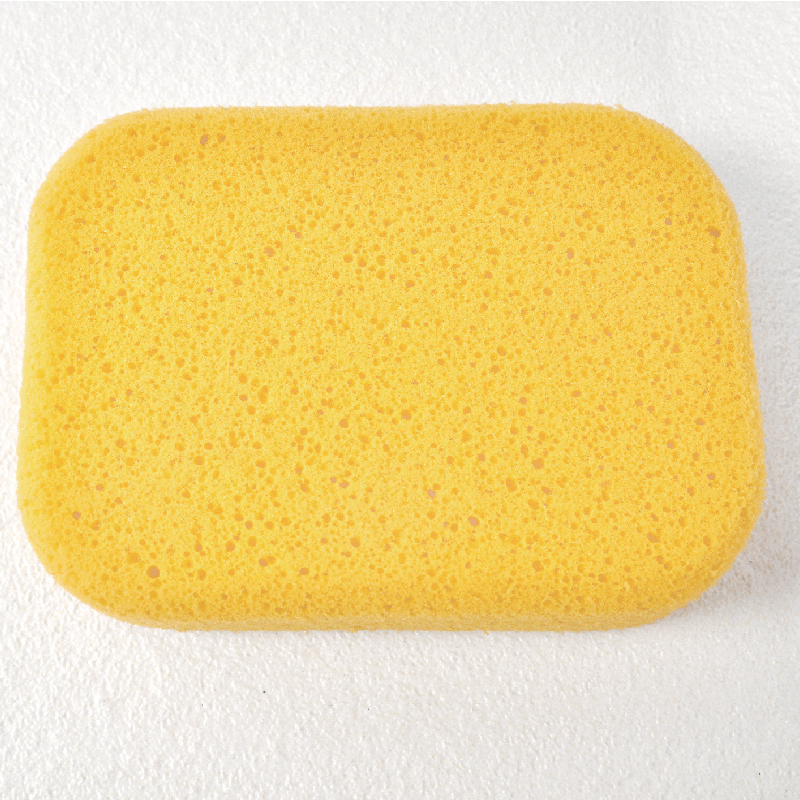
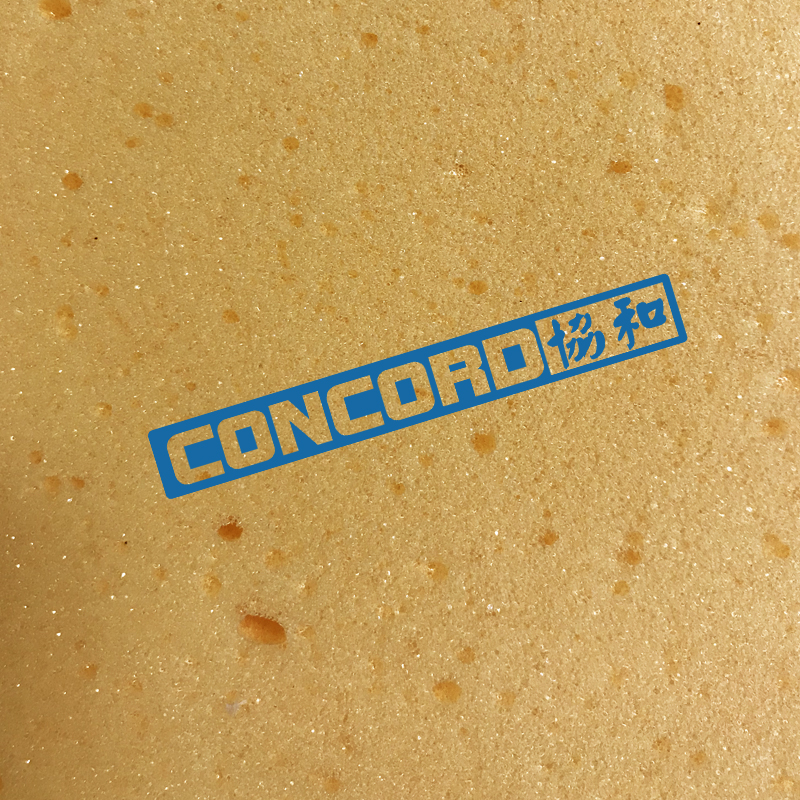
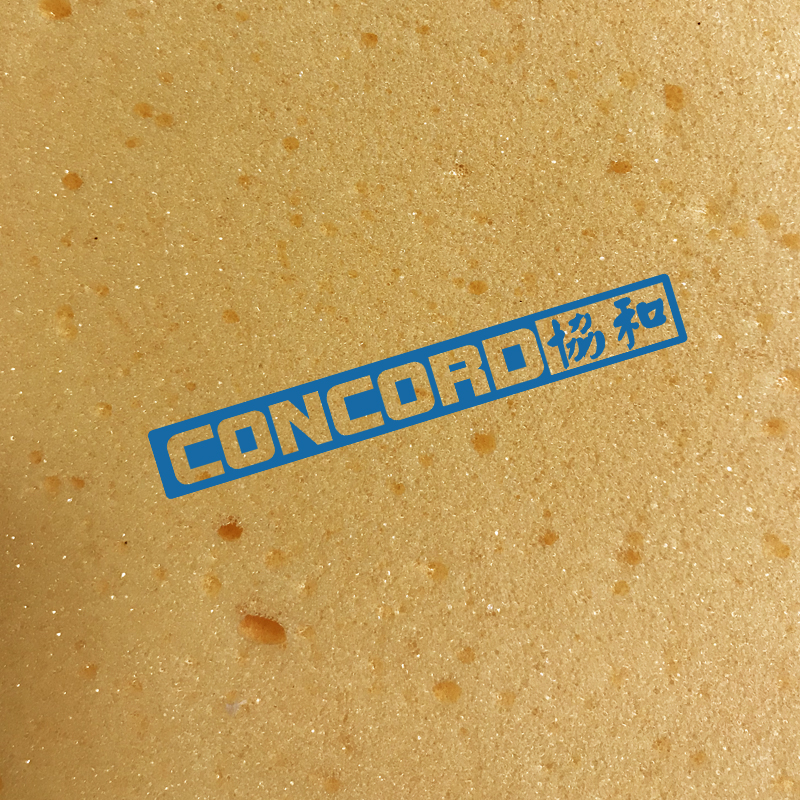
| Cellulose Foam | 100% natural wood pulp | Water absorption rate and pore consistency |
| Non-Woven Scouring Pad | 400 to 900 gsm | Abrasive grit retention and fiber density |
Abrasive Formulations
The scouring layer is typically a non-woven nylon or polyester web coated with abrasive particles.
- Aluminum Oxide: Used for heavy-duty, aggressive scouring. It is highly durable and retains its cutting edge longer.
- Silica Sand: A more economical option for medium-duty pads, though it tends to shed faster under heavy friction.
- Acrylic/PET Resins: Used for "scratch-free" pads designed for non-stick cookware.
Manufacturing Risks and Quality Control
The most common point of failure in sponge manufacturing is the lamination process. Factories typically use either flame lamination or chemical adhesives (polyurethane-based glues) to bond the scouring pad to the sponge. If the adhesive is applied unevenly, or if the curing time is rushed to meet production quotas, the product will delaminate upon exposure to hot water and detergent.
Verifying a supplier's lamination machinery and curing room protocols requires thorough factory audits before committing to a high-volume contract.
Critical Pre-Shipment Inspection Points
- Peel Strength Testing: Verifying the bond between the sponge and the scouring pad under wet, soapy conditions.
- Grit Shedding Test: Rubbing the abrasive side against a standardized surface to measure particle loss.
- Dimensional Tolerances: Ensuring thickness and cut dimensions match specifications, as blade wear during mass cutting can cause variance.
- Rebound Testing: Compressing the sponge to ensure it returns to its original shape without structural breakdown.
Experiencing quality consistency issues with your current sponge manufacturer? Let us help you audit and upgrade your supplier base.
Talk to our teamOEM Customization and Private Labeling
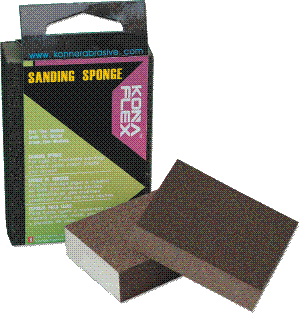
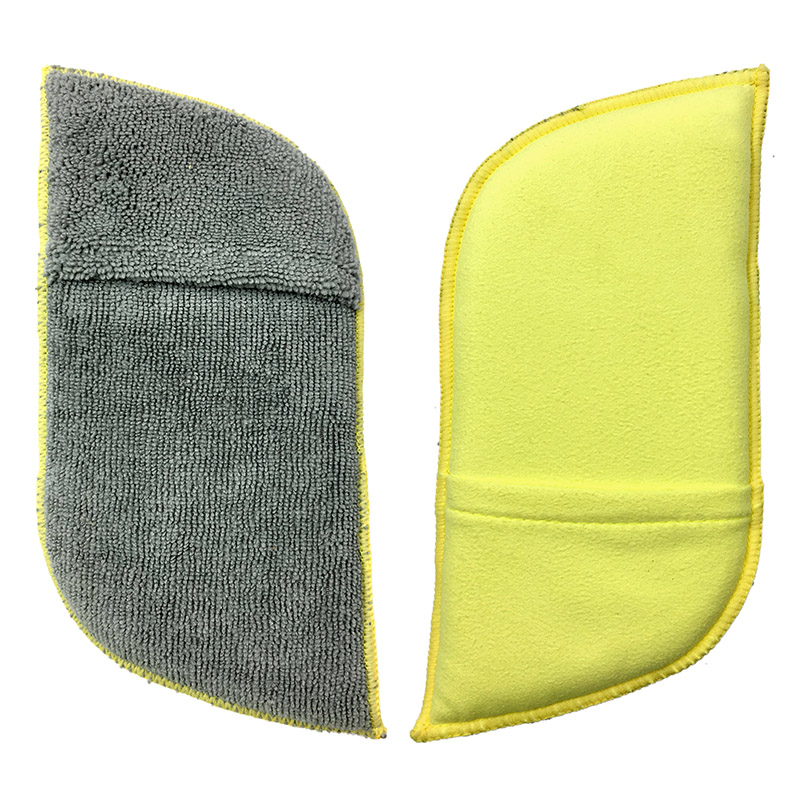
For brands developing custom cleaning tools, the structural simplicity of sponges allows for high degrees of customization. Through specialized OEM/ODM services, buyers can dictate ergonomic shapes (like S-curves or nail-guard grooves), custom dye colors to match brand identity, and specialized packaging (such as multi-pack flow wrapping or printed cardstock sleeves).
When customizing shapes, be aware that complex die-cuts increase material waste. Your factory should provide a yield calculation to help you balance the ergonomic design against the per-unit material cost.
Pricing Drivers, MOQs, and Lead Times
Sponges are high-volume, low-margin items. Profitability depends heavily on manufacturing scale and logistics optimization. Because sponges are lightweight but occupy significant cubic meter (CBM) volume, shipping air is a major cost driver.
To mitigate freight costs, buyers often request vacuum packing or tight compression for bulk shipments. However, this must be tested extensively during quality control to ensure the specific foam density can fully recover its shape after weeks under compression in a shipping container.
Need to optimize your landed costs? We can negotiate better pricing and manage the logistics of high-volume sponge shipments.
Get a free consultationFrequently Asked Questions
Successfully sourcing sponges and scouring pads in bulk means looking past the simple appearance of the product and focusing strictly on material density, abrasive grade, and lamination integrity. By setting rigid specifications and verifying them on the factory floor, volume buyers can secure reliable, high-performing products that protect their margins.
Get Sourcing Help for Sponges & Scouring Pads
Tell us your requirements and our experts will connect you with verified manufacturers.