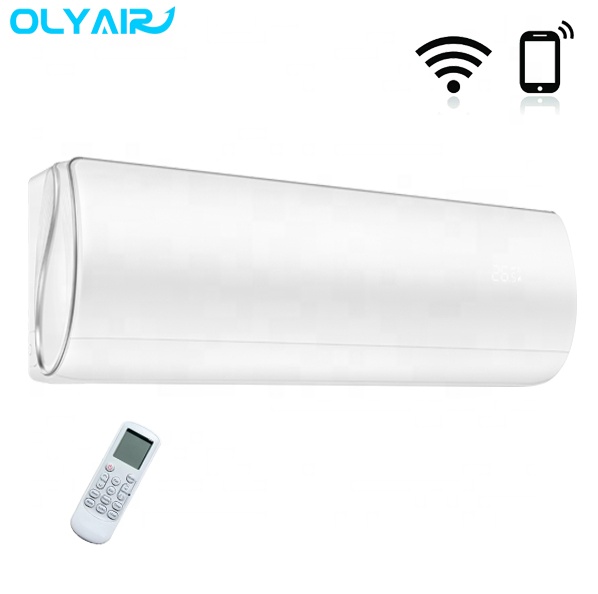
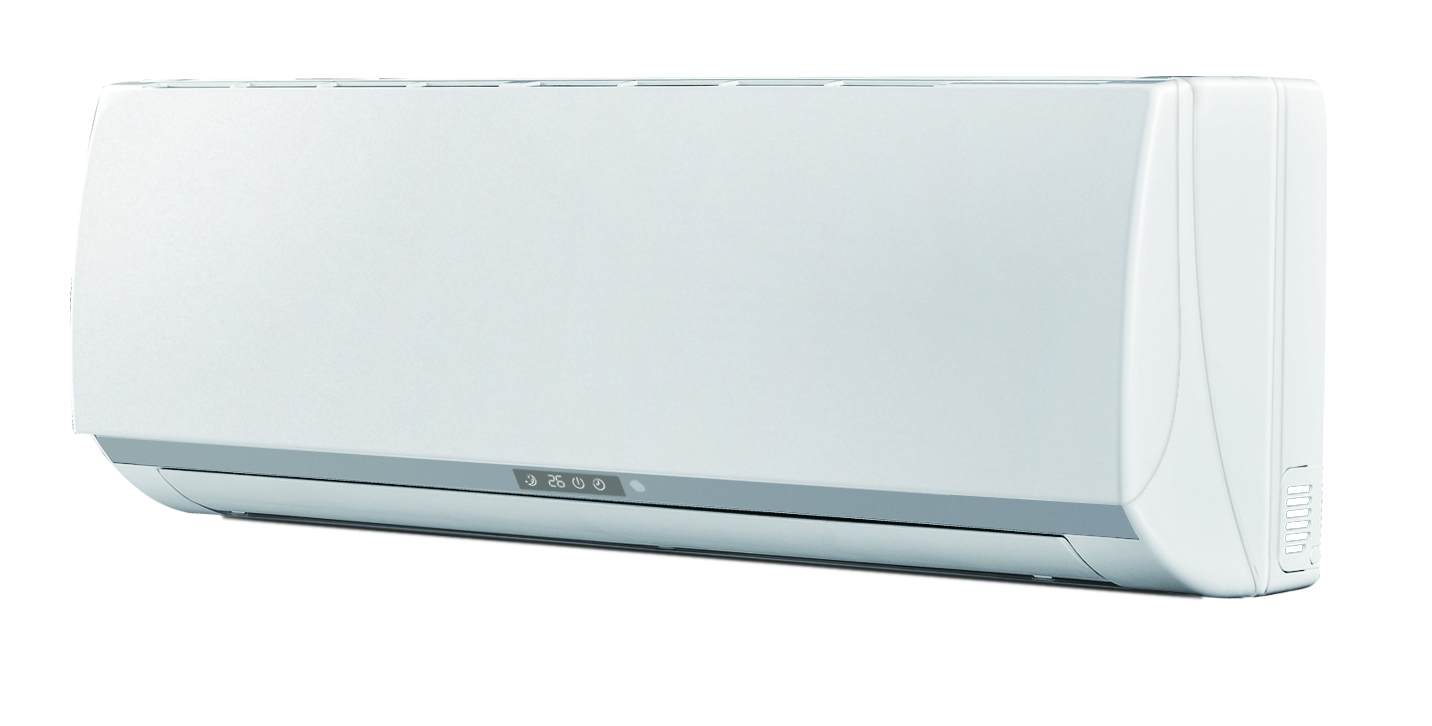
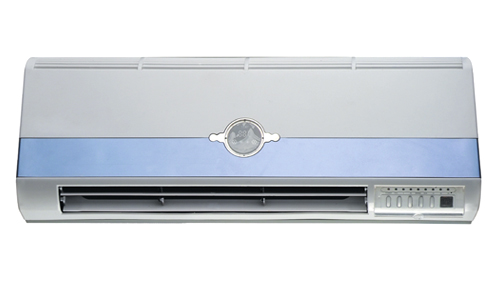
Split Air Conditioners
Source high-efficiency Split Air Conditioners from vetted manufacturers and wholesale suppliers. Built for importers, HVAC distributors, and appliance brands seeking reliable OEM and private-label production, our network delivers scalable capacity, strict compliance, and competitive bulk pricing.
Sourcing split air conditioners at scale requires navigating a complex matrix of energy efficiency regulations, compressor reliability, and refrigerant phase-outs. Whether you are developing a proprietary smart-home line or importing standard residential units for wholesale distribution, securing a stable supply chain hinges on partnering with assembly facilities that maintain rigorous testing standards and component traceability.
Core Component Architecture & Specifications
The lifespan and performance of a split air conditioner are dictated by the quality of its internal components. When negotiating with manufacturers, you must dictate specifications beyond just the BTU capacity (typically 9,000 to 36,000 BTU for residential and light commercial units).
The compressor is the heart of the system. Most Chinese assembly factories do not manufacture their own compressors; instead, they source from major domestic giants like GMCC, Highly, or Gree, or international brands like Panasonic. Specifying the exact compressor brand and series in your Bill of Materials (BOM) is crucial to ensure consistent energy ratings and minimize warranty claims.
| Technology | Energy Efficiency | Cost Premium | Best Application |
|---|---|---|---|
| Fixed-Speed (Non-Inverter) | Standard (Lower SEER) | Baseline | Price-sensitive markets with lenient energy codes |
| DC Inverter | High (Variable speed operation) | 20 to 30 percent higher | Strict regulatory markets (EU, North America) |
Refrigerant selection is equally critical. While R410A was the industry standard, global regulations pushing for lower Global Warming Potential (GWP) have made R32 the dominant choice for new production. Ensure your target market's regulations align with the refrigerant charged at the factory.
Ensure your split ACs are built with genuine, high-grade compressors and meet your target market's strict energy standards.
Talk to our teamManufacturing Quality Control & Checkpoints
Split AC manufacturing is primarily an assembly and brazing operation. The highest risk of failure occurs at the joints of the copper piping within the heat exchangers (evaporator and condenser). Poor brazing leads to micro-leaks, resulting in units that lose their refrigerant charge within months of installation.
Implementing robust quality control and inspection protocols on the factory floor is non-negotiable. Do not rely solely on the factory's internal QA data.
Critical Factory-Level QC Checkpoints
- Helium Leak Detection: Verifying that all brazed copper joints in the indoor and outdoor units are completely sealed.
- Vacuum Pumping: Ensuring the system is evacuated to under 30 Pascals before refrigerant charging to remove moisture.
- Electrical Safety Testing: Hi-pot (high potential) and ground bond testing on the PCB and compressor wiring.
- Performance Chamber Testing: Sample testing units in climate-controlled enthalpy chambers to verify actual BTU output and wattage against rated specs.
- Vibration & Drop Testing: Ensuring the outdoor unit chassis and internal mounting brackets can withstand transit without compressor displacement.
Because split systems are heavily regulated, you must also secure proper compliance and testing documentation. This includes CE/RoHS for Europe, UL/ETL for North America, and specific regional energy efficiency certifications (like AHRI or Eurovent).
Executing OEM and ODM Strategies
For brands looking to establish a unique market presence, leveraging OEM/ODM services is the most efficient route. Developing a split AC from scratch requires immense capital for tooling the chassis and aerodynamic fan blades. Instead, most buyers utilize a factory's existing, proven chassis and customize the aesthetic and electronic layers.
- Front Panel Injection Molding: Factories offer dozens of existing molds for the indoor unit's front panel. You can customize colors, finishes (matte vs. gloss), and hidden LED display integration.
- PCB and Smart Features: Integrating Wi-Fi modules for IoT connectivity (such as Tuya or proprietary apps) is a standard ODM request. Ensure the factory uses reliable PCB suppliers to prevent logic board failures in high-humidity environments.
- Anti-Corrosion Treatments: If you are distributing to coastal regions, specify "Golden Fin" or "Blue Fin" hydrophilic coatings on the condenser coils to resist salt-air corrosion.
Pricing Drivers, MOQs, and Lead Times
Pricing in the HVAC sector is highly volatile, tied directly to global copper and aluminum commodities, as well as the specific compressor utilized.
When negotiating, always clarify whether the quoted price includes the copper connection pipe kit (usually 3 to 5 meters) and the communication cables between the indoor and outdoor units, as factories often quote these separately to lower the headline price.
Navigate fluctuating copper prices, optimize your MOQ, and secure competitive wholesale terms with vetted HVAC manufacturers.
Get a free consultationBuyer FAQ
Successfully sourcing split air conditioners requires more than just finding a low price per unit; it requires validating the assembly environment and the supply chain behind the internal components. Conducting thorough factory audits before placing your first order ensures your supplier has the technical capability, testing chambers, and financial stability to support your brand long-term.
Get Sourcing Help for Split Air Conditioners
Tell us your requirements and our experts will connect you with verified manufacturers.