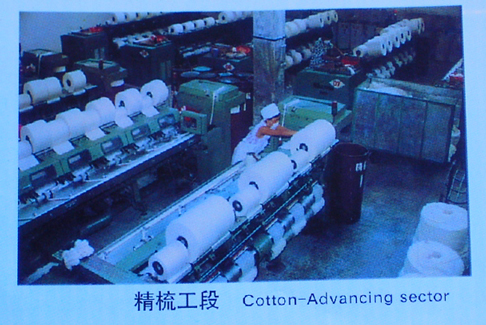
Spinning Machines
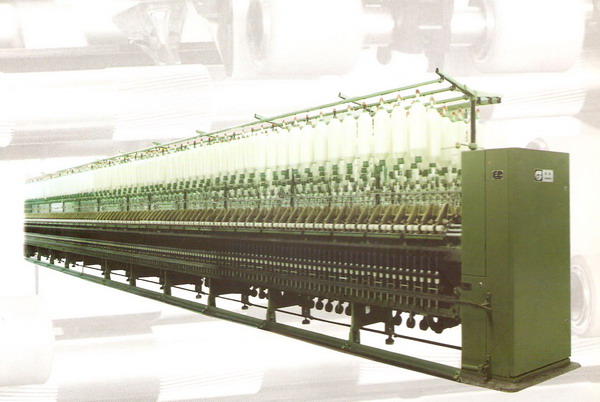
Source industrial-grade spinning machines from vetted manufacturers and suppliers. Designed for textile mills, equipment distributors, and procurement managers buying in volume, our network provides high-efficiency spinning equipment built to scale production, optimize yarn quality, and minimize downtime.
Procuring industrial spinning machinery is a major capital expenditure where precision, continuous uptime, and energy efficiency dictate your production ROI. Sourcing these complex machines directly from overseas manufacturers requires moving beyond basic spec sheets. You must verify the supplier's machining tolerances, their choice of critical electrical components, and their assembly testing protocols to ensure the equipment can sustain high-speed, continuous operation without compromising yarn evenness.
To secure reliable equipment that minimizes breaks and maximizes throughput, buyers must rigorously evaluate the mechanical engineering and software integration behind the drafting and winding systems.
Critical Specifications for High-Volume Production
When negotiating with spinning machine manufacturers, the technical configuration must align exactly with your target yarn counts (Ne) and raw material types (cotton, synthetics, or blends).
- Drafting System Precision: The drafting zone is the heart of the machine. Look for pneumatic weighting arms that provide consistent pressure across all rollers. Variations here lead directly to yarn unevenness (U%).
- Spindle and Motor Synchronization: High-speed spindles (exceeding 20,000 RPM) require individual motor drives or highly synchronized tangential belt systems to prevent vibration. Excessive vibration causes end breakages and premature bearing failure.
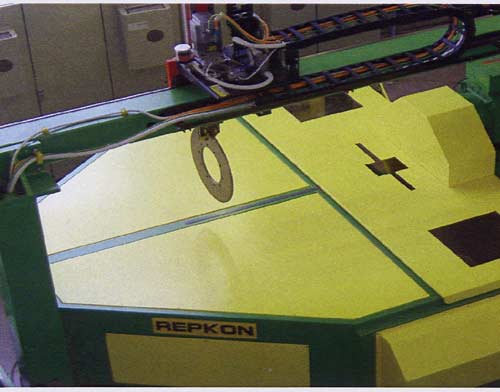
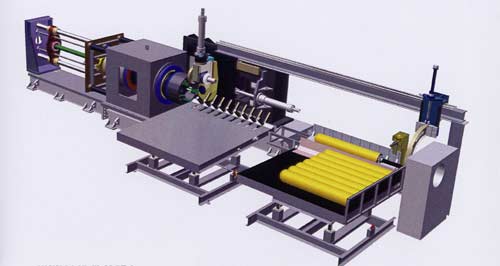
- Automation Level (Auto-Doffing): Labor costs and efficiency demands are pushing mills toward fully automated doffing systems. These systems must be evaluated for their grabber reliability and cycle speed.
| Feature | Standard Configuration | Advanced / Automated |
|---|---|---|
| Doffing Mechanism | Manual (high labor dependency) | Integrated Auto-Doffer (under 4 mins) |
| Drive System | Main motor with complex gearing | Individual spindle/electronic drives |
| Drafting Control | Mechanical draft gearing | Servo-driven electronic drafting |
Need to source spinning machines with specific drafting configurations? We can match your technical requirements with vetted manufacturers capable of delivering to your exact standards.
Talk to our machinery teamEvaluating Manufacturer Capabilities
Not all suppliers have the in-house capability to produce high-precision textile machinery. Many act as assemblers, outsourcing the casting and machining of the main frames. A rigid, vibration-free frame is essential for high-speed spinning.
When assessing a factory, verify their CNC machining centers. The parallelism of the roller stands and the concentricity of the spindle rails must be machined to strict tolerances. Furthermore, check the origin of critical wear parts and electronics. Reliable manufacturers will utilize internationally recognized brands for their inverters, PLCs, and drafting components (e.g., SKF bearings, Siemens or Delta electronics). Conducting professional Factory Audits is highly recommended to verify these manufacturing practices before committing to a six-figure order.
Factory Assessment Checklist for Spinning Machines
- Verify in-house CNC machining capabilities for frame rigidity.
- Check brand origins for PLCs, servos, and frequency inverters.
- Review the dynamic balancing reports for spindles and rotors.
- Assess the factory's Factory Acceptance Test (FAT) protocols.
- Confirm availability and lead times for proprietary spare parts.
Quality Control and Factory Acceptance
Defects in spinning machinery are rarely visible to the naked eye; they manifest as high end-breakage rates or unacceptable yarn hairiness once production begins. Therefore, rigorous Quality Control & Inspection must occur prior to shipment.
A standard FAT should include running the machine at maximum RPM for a continuous period (often 24 to 48 hours) to monitor motor temperatures, spindle vibration levels, and inverter stability. Noise levels should also be tested, as excessive decibels indicate poor mechanical alignment or failing bearings.
Pricing, Lead Times, and Logistics Realities
Industrial spinning equipment is built to order. Depending on the spindle count and automation features, manufacturing lead times typically range from 60 to 120 days.
Pricing is heavily dependent on the level of electronic integration (servo drafts vs. mechanical drafts) and the inclusion of auto-doffing systems. Because these machines are massive—often requiring multiple 40HQ containers or specialized flat-rack shipping for the main headstocks—coordinating the heavy machinery Shipping & Freight is a significant part of the total landed cost. Proper anti-corrosion packaging and securing of moving parts inside the containers are critical to prevent transit damage.
Planning a mill upgrade or expansion? Let us handle the factory vetting, technical negotiations, and complex logistics of importing heavy textile machinery.
Get a sourcing consultationBuyer FAQ
Sourcing spinning machinery requires balancing upfront capital costs against long-term operational efficiency. By rigorously vetting a manufacturer's mechanical engineering standards and component supply chain, you can secure equipment that delivers decades of reliable production.
Get Sourcing Help for Spinning Machines
Tell us your requirements and our experts will connect you with verified manufacturers.