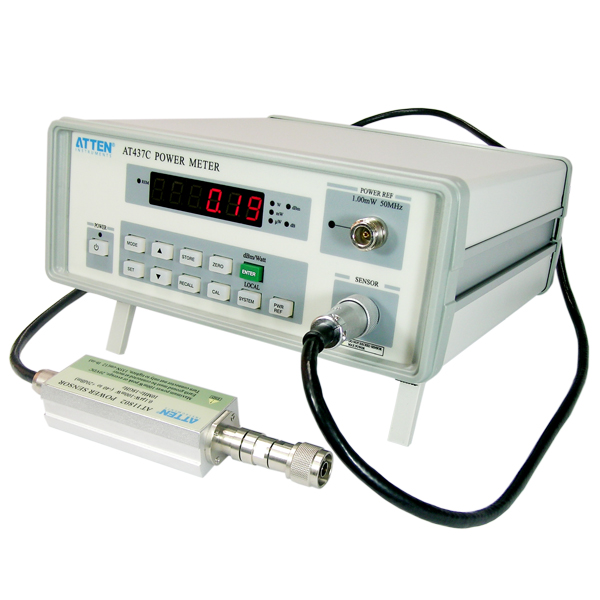
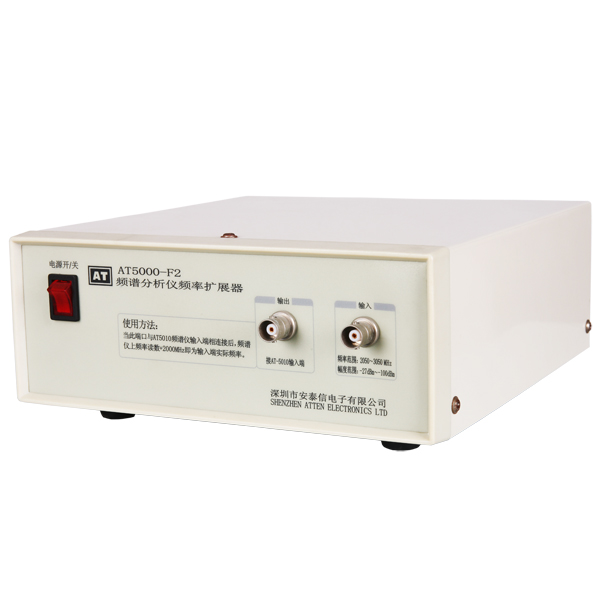
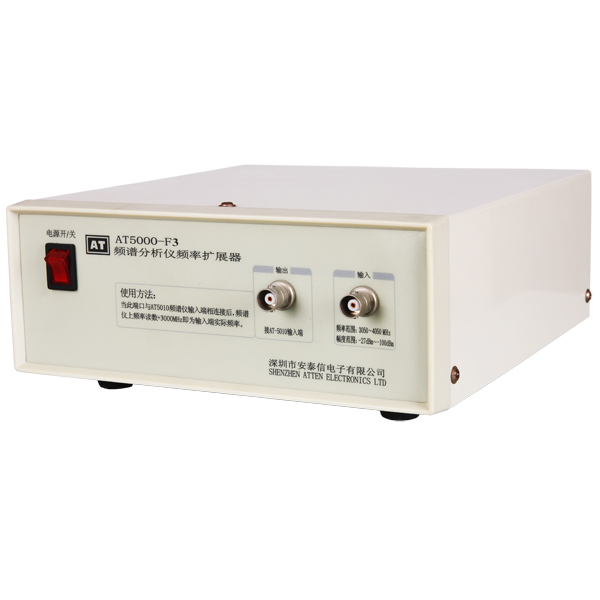
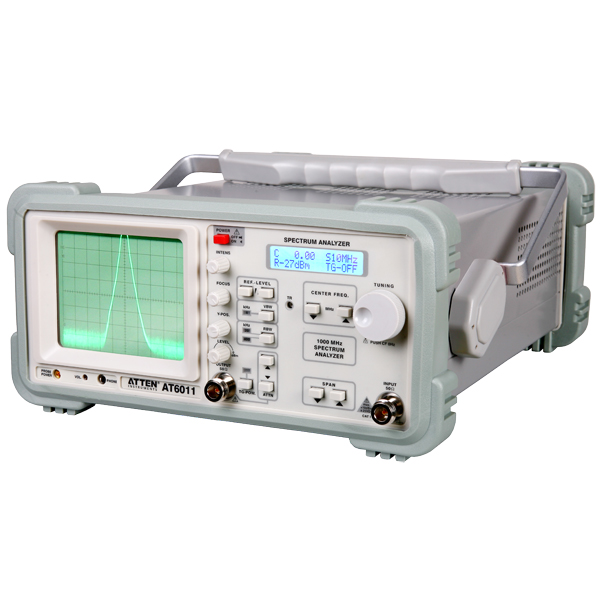
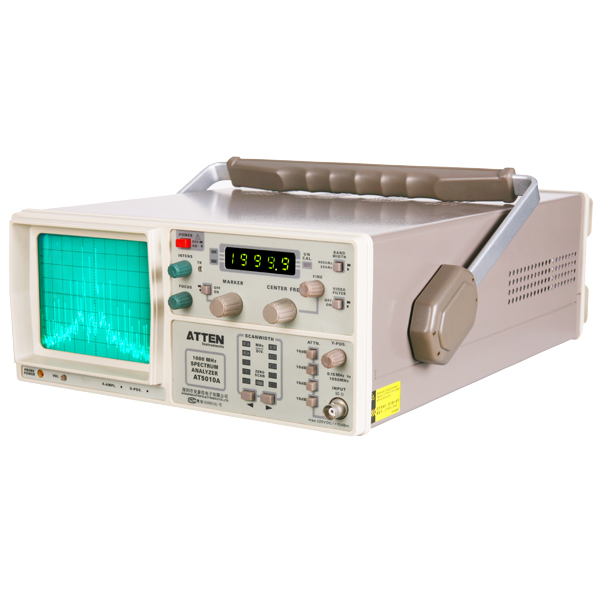
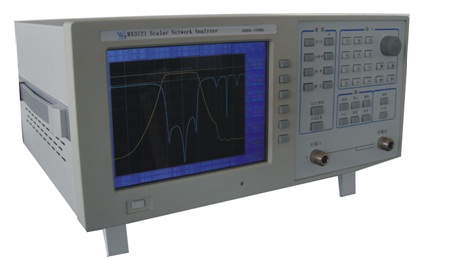
Spectrum Analyzers
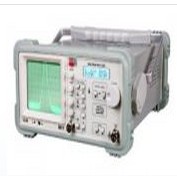
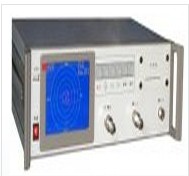
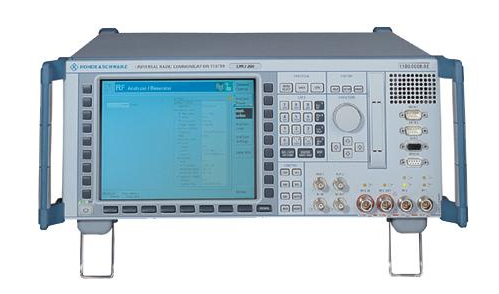
Source professional-grade Spectrum Analyzers directly from vetted manufacturers and suppliers. Designed for importers, distributors, and brands seeking reliable wholesale and OEM production, our network delivers precision RF testing instruments tailored to your specific frequency and compliance requirements.
Sourcing RF testing equipment in volume requires balancing measurement precision with production consistency. When importing spectrum analyzers—whether handheld units for field work or benchtop models for R&D—the core challenge lies in verifying a manufacturer's capability to maintain strict tolerances across high-frequency components, RF shielding, and complex digital signal processing boards.
Critical Specifications for Bulk Buyers
Procuring spectrum analyzers requires precise communication of technical requirements. Suppliers often build to specific price points by altering the quality of internal oscillators or RF front-end components. You must define the following parameters clearly in your purchase orders and OEM agreements.
- Frequency Range: The primary cost driver. Standard models typically cover up to 1.5 GHz or 3.2 GHz, suitable for general education and basic IoT testing. Advanced models extending to 8.5 GHz, 26.5 GHz, or higher require significantly more complex microwave engineering.
- Displayed Average Noise Level (DANL): A critical measure of the analyzer's sensitivity. A lower DANL allows the user to see weaker signals. Specify the DANL with the preamplifier turned on (e.g., typical values should be under -160 dBm/Hz for professional units).
- Phase Noise: Determines the analyzer's ability to resolve signals close to the carrier. Professional buyers should look for phase noise specifications of -95 dBc/Hz to -110 dBc/Hz (or better) at a 10 kHz offset from a 1 GHz carrier.
- Resolution Bandwidth (RBW): The minimum RBW dictates how well the analyzer separates closely spaced signals. High-end units offer RBW down to 1 Hz, while standard units may stop at 10 Hz or 100 Hz.
| Specification | Standard / Field Use | Professional / R&D |
|---|---|---|
| Frequency Range | Up to 3.2 GHz | 8.5 GHz to 26.5 GHz+ |
| Typical DANL | -130 dBm to -150 dBm | Under -160 dBm |
| Phase Noise (1GHz, 10kHz offset) | -90 dBc/Hz | Under -100 dBc/Hz |
| Min RBW | 10 Hz | 1 Hz |
Need help verifying supplier capabilities for high-frequency testing equipment? We can match you with qualified manufacturers.
Talk to our teamManufacturing Tolerances and Quality Control
The difference between a reliable spectrum analyzer and one that drifts out of calibration within months is determined on the factory floor. High-frequency electronics are extremely sensitive to manufacturing variance.
Conducting rigorous Factory Audits is essential to ensure the supplier has the necessary cleanroom environments, automated surface-mount technology (SMT) lines, and ISO 17025 accredited calibration labs in-house.
Key Focus Areas for In-Line Quality Control
- RF Shielding Integrity: Ensure internal compartments are properly shielded to prevent crosstalk between the digital processing and RF front-end.
- Thermal Stability Testing: Analyzers must be tested in environmental chambers to verify that oscillators do not drift beyond specified limits across operating temperatures.
- Component Traceability: Verify the supply chain for critical ADCs (Analog-to-Digital Converters) and FPGAs to avoid counterfeit components.
- Calibration Verification: Check that each unit undergoes multi-point calibration across its entire frequency span before packaging.
Implementing strict Quality Control & Inspection protocols before shipment is the only way to catch alignment or firmware issues before the goods leave the factory.
Typical Pricing, MOQs, and Lead Times
The manufacturing economics of spectrum analyzers differ significantly from consumer electronics. Because these are low-volume, high-margin precision instruments, suppliers are often flexible on MOQs for standard units, but OEM customization requires higher commitments.
If you are developing a proprietary instrument or require specific firmware modifications for your target market, leveraging professional OEM/ODM Services ensures your intellectual property is protected while navigating the technical integration with the factory's hardware platform.
Looking to develop a private-label line of testing equipment? Discuss your OEM requirements with our sourcing engineers.
Get a free consultationFrequently Asked Questions
Successfully sourcing spectrum analyzers requires looking past the spec sheet to evaluate the manufacturer's engineering depth and testing infrastructure. Partnering with facilities that understand RF shielding, thermal management, and precision calibration is the only way to guarantee long-term instrument reliability.
Get Sourcing Help for Spectrum Analyzers
Tell us your requirements and our experts will connect you with verified manufacturers.