Spectrometers
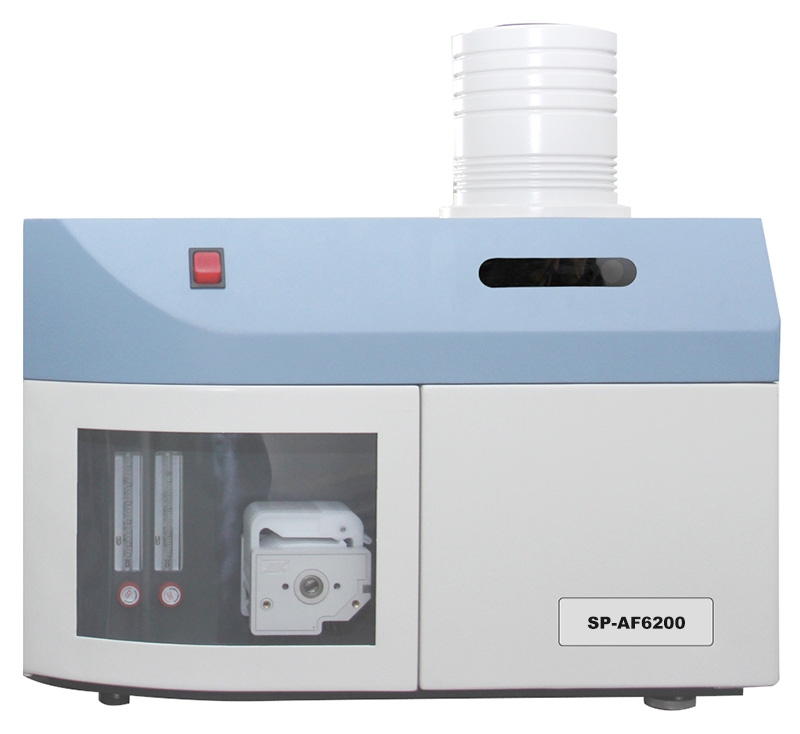
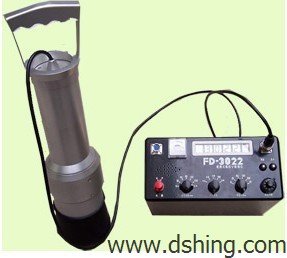
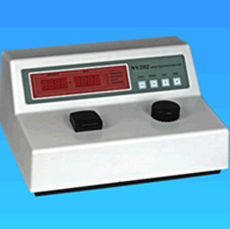
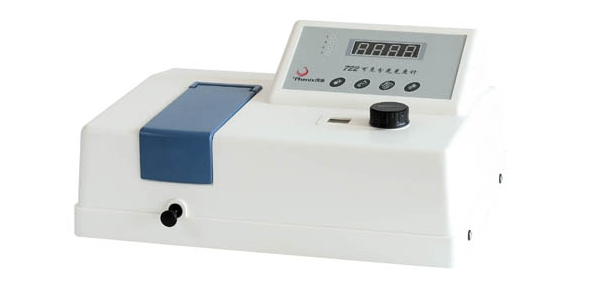
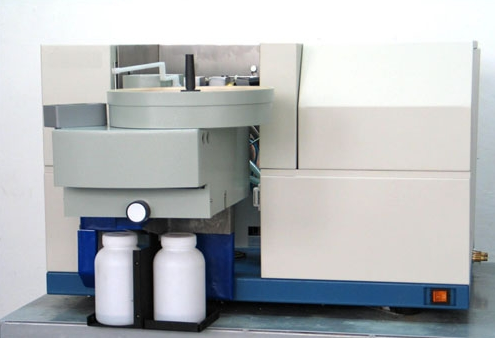
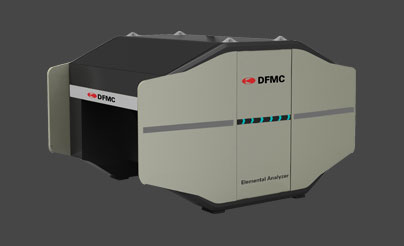
Source high-precision spectrometers from vetted suppliers and manufacturers across Asia. Designed for importers, laboratory equipment distributors, and brands seeking reliable OEM or private-label production, our network delivers bulk optical testing instruments built to exact analytical specifications.
Sourcing spectrometers in volume requires balancing optical precision with manufacturing scalability. Whether you are distributing standard laboratory models, integrating specialized inline process analyzers, or developing portable units, the core challenge remains the same: ensuring consistent optical bench alignment, detector sensitivity, and calibration stability across every production batch.
Navigating the Asian supply chain for analytical instruments means separating true manufacturers with cleanroom assembly capabilities from trading companies selling rebranded, lower-tier hardware.
Defining Core Optical Specifications
When negotiating with a factory, vague requirements lead to inconsistent performance. Spectrometer performance is dictated by the synergy between the entrance slit, diffraction grating, and detector. You must establish strict tolerances for the following parameters before requesting a prototype.
| Specification | Standard Commercial Grade | High-End Analytical Grade |
|---|---|---|
| Spectral Resolution | 1.0 to 2.0 nm | Under 0.1 nm |
| Signal-to-Noise Ratio (SNR) | 250:1 | Over 1000:1 |
| Stray Light | Under 0.1% | Under 0.01% |
| Thermal Stability | 0.1 nm per °C | Under 0.01 nm per °C |
Beyond these top-line numbers, specify the exact detector type. Standard CMOS arrays are cost-effective for general visible-light applications, but demanding low-light or near-infrared (NIR) applications require back-thinned CCDs or InGaAs detectors, which drastically alter the bill of materials (BOM) cost.
Manufacturing Capabilities and Factory Verification
The difference between a reliable spectrometer and one that suffers from severe wavelength drift lies in the factory's assembly environment and optical bench design. Optical components cannot be assembled on a standard electronics line; they require stringent environmental controls.
When evaluating a new supplier, robust factory audits are essential to verify their infrastructure.
Critical Factory Verification Points
- ISO Class 7 or better cleanroom facilities for grating and detector assembly.
- Thermal cycling test chambers to verify optical bench stability under stress.
- Use of NIST-traceable (or equivalent) calibration light sources.
- In-house CNC machining capabilities for low-tolerance slit and grating mounts.
If a supplier outsources the machining of their optical bench, you are at high risk for unit-to-unit variation. The bench should ideally be a monolithic structure (machined from a single block of aluminum or invar) to prevent thermal expansion from misaligning the optics.
Need to verify a spectrometer manufacturer's cleanroom and calibration capabilities? We audit optical instrument factories across Asia to ensure they meet strict analytical standards.
Talk to our teamOEM and ODM Customization
Many distributors and brands require OEM/ODM services to differentiate their product lines. Hardware customization typically involves altering the form factor, integrating specific light sources (like deuterium or tungsten halogen), or adjusting the optical bench for a specific wavelength range.
However, the most common customization bottleneck is software. Ensure the supplier can provide a robust, well-documented Software Development Kit (SDK) or API. White-labeling the manufacturer's proprietary software is standard, but you must verify that the software supports your target operating systems and allows for seamless integration into larger industrial control systems if necessary.
Pricing, MOQs, and Lead Times
High-precision optical instruments do not follow the same volume economics as consumer electronics. Production requires skilled technicians for manual alignment and calibration.
Prices vary wildly based on the detector array and grating quality. A basic visible-light educational spectrometer might cost a few hundred dollars at wholesale, while a cooled-detector NIR unit for industrial sorting can exceed several thousand dollars per unit.
Because calibration can shift during transit, implementing stringent quality control & inspection prior to shipment is non-negotiable. Inspectors must verify wavelength accuracy and stray light metrics on the factory floor before the goods are packed.
Protect your investment with professional pre-shipment inspections and secure logistics designed specifically for sensitive analytical instruments.
Get a free consultationFrequently Asked Questions
Procuring spectrometers in bulk is an exercise in risk management. Success depends entirely on locking down precise optical specifications, verifying the factory's assembly environment, and enforcing rigorous pre-shipment calibration checks. Managing these variables systematically ensures your instruments perform reliably in the field, protecting your brand's reputation in the analytical market.
Get Sourcing Help for Spectrometers
Tell us your requirements and our experts will connect you with verified manufacturers.