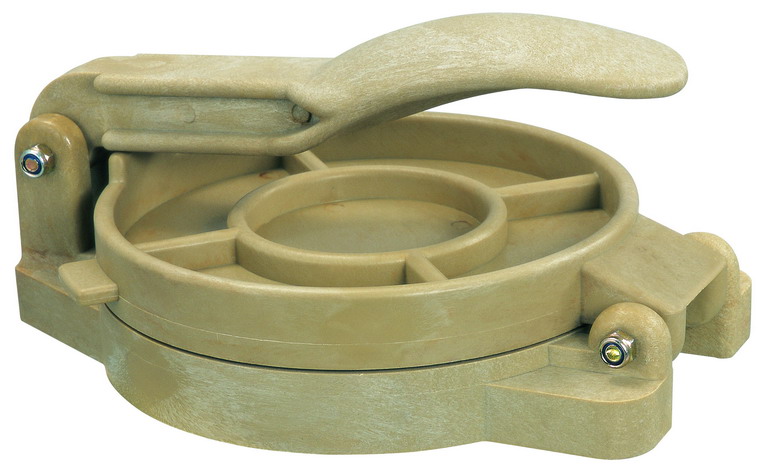
Specialty Tools
Source premium wholesale specialty tools from vetted manufacturers and suppliers across Asia. Designed for importers, distributors, and kitchenware brands seeking reliable OEM and private-label production, our network delivers high-volume manufacturing with strict quality control and food-grade compliance.
Sourcing specialized kitchen gadgets requires balancing innovative functionality with rigorous food-safety standards. Whether you are developing a patented prep tool or scaling a private-label line of ergonomic gadgets, success depends on partnering with factories capable of precise multi-material assembly and reliable output.
Critical Material Specifications
Specialty kitchen tools rarely rely on a single material. The interplay between rigid frames, sharp cutting edges, and soft-touch grips requires precise specification. Failing to define the exact grade of steel or plastic inevitably leads to premature wear, corrosion, or compliance failures.
| Material | Primary Application | Critical Specs to Define |
|---|---|---|
| Stainless Steel (304 vs 430) | Blades, springs, structural frames | Corrosion resistance, Rockwell Hardness (HRC) for cutting edges |
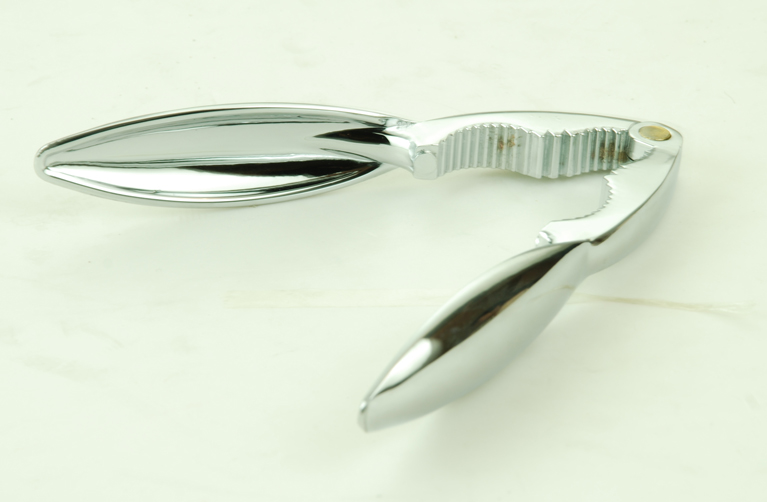
| Zinc Alloy | Heavy-duty levers, presses, crackers | Die-cast density, electroplating thickness (chrome/nickel) |
| Plastics & Elastomers (ABS, TPR) | Housings, ergonomic grips, buttons | BPA-free certification, heat resistance limits, overmold adhesion |
| Food-Grade Silicone | Scrapers, heat-resistant barriers | Shore hardness, FDA or LFGB extraction compliance |
When sourcing multi-material tools, verify that the factory has established supply chains for all necessary raw materials. A facility that excels at steel stamping but outsources plastic injection molding often struggles with final assembly tolerances. Conducting thorough Factory Audits before placing an order is the most effective way to validate a supplier's in-house capabilities.
Manufacturing Vulnerabilities and Quality Control
The complexity of specialty tools lies in their moving parts and joints. Rivets, springs, and gears are the most common points of failure. Quality control must move beyond basic visual inspection to include functional stress testing.
Essential QC Checks for Specialty Kitchen Tools
- Salt spray testing (typically 24 to 48 hours) to verify corrosion resistance on plated zinc and 430 stainless steel.
- Cyclic fatigue testing for spring-loaded mechanisms and hinges to ensure they meet minimum lifecycle requirements.
- Adhesion testing on TPR/silicone overmolded handles to prevent peeling after repeated dishwasher cycles.
- Blade sharpness and edge retention testing (for slicers and pitters) using standardized media.
- Verification of food-contact certificates against the actual production batch.
Navigating international food safety regulations is non-negotiable. Ensure your supplier understands the distinct testing protocols for your target market. Implementing rigorous Compliance & Testing protocols during the pre-production phase prevents costly customs rejections or recalls.
Struggling with high defect rates on complex kitchen gadgets? Let us help you implement stringent in-line quality controls.
Talk to our teamSourcing Mechanics: MOQs, Lead Times, and Tooling
Pricing and lead times for specialty tools hinge largely on whether you are purchasing off-the-shelf designs or investing in custom molds.
Customization vs. Cost
For brands developing proprietary designs, tooling costs can range from a few thousand dollars for simple ABS housings to significantly more for complex, multi-cavity zinc die-cast molds. If you are leveraging OEM/ODM Services, ensure the factory contract explicitly states that you own the molds upon completion. For private-label buyers, many factories allow handle color customization (Pantone matching) and custom logo engraving at standard MOQs without requiring new core tooling.
Ready to scale your private-label kitchenware line? Connect with manufacturers equipped for high-volume, compliant production.
Get a free consultationFrequently Asked Questions
Successfully importing specialty kitchen tools requires a deep understanding of material science, assembly tolerances, and international food-safety standards. By enforcing strict specifications and partnering with properly vetted facilities, you can build a highly profitable, defect-free product line.
Get Sourcing Help for Specialty Tools
Tell us your requirements and our experts will connect you with verified manufacturers.