Special Bag Parts & Accessories
Source Special Bag Parts & Accessories in bulk from vetted manufacturers and suppliers. Designed for importers, wholesalers, and brands seeking OEM and private-label production, our network delivers specialized components—from smart luggage modules to tactical hardware—built for reliable integration.
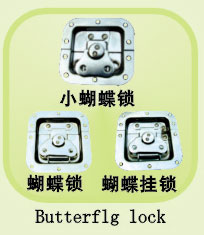
Sourcing special bag parts—whether biometric TSA locks, magnetic quick-release fasteners, USB charging modules, or carbon fiber internal frames—requires navigating a highly fragmented supply chain. Unlike standard webbing or basic zippers, these specialized components often serve as the primary functional differentiator for premium, tactical, or smart luggage. Because the manufacturing processes span injection molding, metal die-casting, and even basic electronics assembly, relying on a single standard bag hardware supplier is rarely effective.
Material Specifications and Tooling Tolerances
The performance of specialized bag accessories hinges entirely on material selection and the precision of the tooling used to create them. When sourcing proprietary fasteners, modular attachment systems, or structural supports, buyers must explicitly define material grades rather than accepting generic factory defaults.
| Material Grade | Common Applications | Performance Characteristics |
|---|---|---|
| POM (Polyoxymethylene) | Tactical clips, load-bearing buckles | High tensile strength, excellent dimensional stability, low friction |
| Zinc Alloy (Die-cast) | Custom zipper pulls, locking mechanisms | High perceived weight, excellent for detailed electroplating |
| Carbon Fiber / Fiberglass | Internal frames, stiffener boards | Maximum strength-to-weight ratio, high rigidity under load |
| ABS + PC Blends | Smart luggage ports, hard-shell modules | High impact resistance, suitable for electronic component housing |
For custom components, mold creation is the first major hurdle. Expect tolerance requirements of plus or minus 0.1mm for mechanical parts like magnetic clasps or locking hinges. If the tooling is imprecise, the resulting parts will suffer from flash (excess material at the seams), weak structural points, or misalignment during final bag assembly.
Developing a proprietary bag component? Let us help you navigate tooling, material selection, and supplier vetting.
Talk to our teamSupplier Verification for Cross-Disciplinary Parts
A common critical error in sourcing special bag parts is assuming a standard hardware factory can produce components outside their core competency. A factory excelling in zinc alloy casting will likely outsource the electronic components of a smart-bag USB port or the biometric sensor of a specialized lock.
When your component requires mixed materials or electronics, verifying the supplier's actual in-house capabilities is mandatory. Conducting thorough Factory Audits ensures you understand exactly which parts of the manufacturing process are handled internally and which are subcontracted, mitigating the risk of unauthorized material substitution down the line.
Quality Control for Specialized Components
Because these parts often dictate the functionality of the final product, standard visual inspections are insufficient. Quality control must focus on mechanical endurance and environmental resistance.
Critical Testing Parameters for Special Bag Parts
- Load and shear testing for tactical and modular attachment points.
- Salt spray testing (typically 48 to 72 hours) for all electroplated metal components to ensure rust resistance.
- Cycle testing for hinges, locks, and quick-release mechanisms to verify lifespan (e.g., 5,000 to 10,000 actuations).
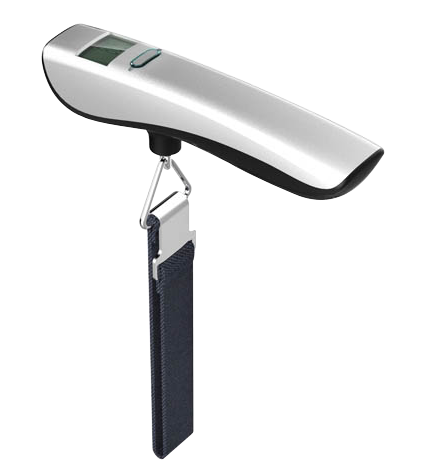
- Electronic continuity and thermal testing for smart luggage modules (USB ports, integrated scales).
- TSA master-key compliance testing for specialized luggage locks.
Implementing rigorous Quality Control & Inspection protocols before the components leave the facility prevents catastrophic delays during final bag assembly. A batch of defective locking mechanisms discovered only after they have been stitched into the luggage shell results in total product loss.
Production Realities: MOQs, Pricing, and Lead Times
Specialized parts carry different procurement dynamics compared to commodity hardware. If you are purchasing off-the-shelf specialty parts, MOQs can be manageable. However, if you are engaging in Product Development for a custom mold, the financial structure shifts heavily toward upfront tooling costs.
Pricing is driven by the complexity of the mold, the cost of raw materials (especially fluctuations in zinc and specialized polymers), and the finishing processes required. Electroplating, anti-scratch coatings, or soft-touch rubberized finishes will significantly increase the per-unit cost and often require higher minimum orders to justify the batch processing.
Need to negotiate MOQs or manage custom tooling for your specialized bag components? We can help streamline the process.
Get a free consultationFrequently Asked Questions
Sourcing specialized bag parts is rarely a matter of finding a single catalog item; it is an exercise in precise specification, cross-disciplinary manufacturing, and rigorous quality enforcement. Aligning with manufacturing partners who understand the technical demands of your specific component is the only way to ensure the final product performs as designed.
Get Sourcing Help for Special Bag Parts & Accessories
Tell us your requirements and our experts will connect you with verified manufacturers.