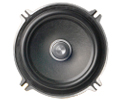
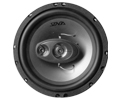
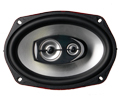
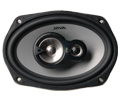
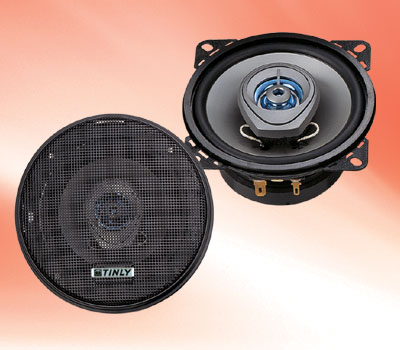
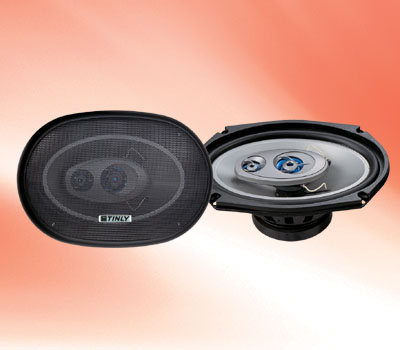
Speakers & Horns
Source automotive speakers and horns from vetted suppliers and manufacturers across Asia. Designed for importers, distributors, and brands seeking reliable OEM and aftermarket production, our network delivers high-volume manufacturing with strict quality control.
Automotive acoustic components operate in uniquely harsh environments. Sourcing speakers and horns in bulk requires balancing electrical efficiency and acoustic output with long-term durability against vibration, moisture, and extreme temperature fluctuations. For buyers, the challenge lies in identifying factories with genuine acoustic engineering capabilities rather than those merely assembling off-the-shelf parts.
Defining Technical Specifications
To avoid substandard performance and high defect rates, your specification sheet must be comprehensive. Factories will default to the cheapest internal components if tolerances and materials are not explicitly defined.
Automotive Speaker Specifications
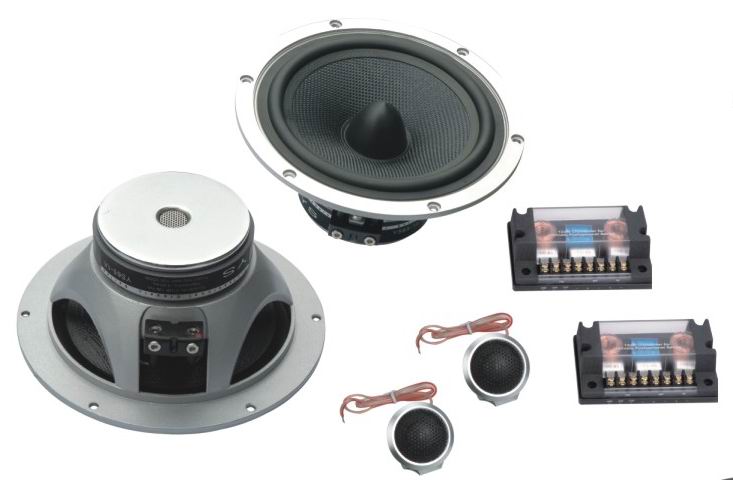
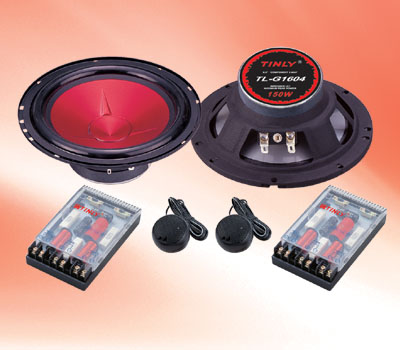
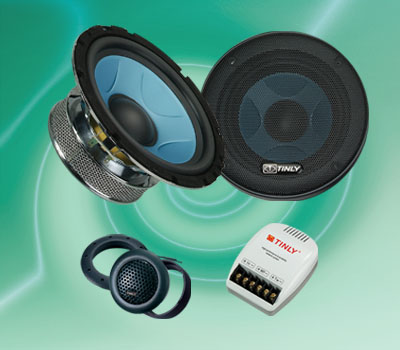
When sourcing coaxial, component, or subwoofer speakers, exact parameters dictate both cost and sound quality:
- Power Handling: Define both RMS (continuous) and Peak power. Factories often quote artificially inflated Peak numbers; insist on RMS testing data.
- Impedance: Standard automotive systems require 4-ohm impedance. Ensure the voice coil winding is strictly calibrated to prevent amplifier overloading.
- Sensitivity: Measured in dB/W/m. A higher sensitivity rating (e.g., 90dB+) means the speaker requires less power to achieve high volume, critical for factory head-unit replacements.
- Voice Coil & Cooling: Kapton or aluminum formers with high-temperature copper winding are essential to prevent thermal failure during sustained use.
| Magnet Material | Cost Profile | Magnetic Flux | Weight & Application |
|---|---|---|---|
| Ferrite | Economical | Moderate | Heavy; standard door speakers |
| Neodymium | Premium | High | Lightweight; high-end & tight spaces |
| Alnico | High | Moderate | Specialty audiophile applications |
Automotive Horn Specifications
Horns are critical safety devices. Their specifications are largely dictated by regulatory requirements and electrical limits:
- Sound Pressure Level (SPL): Typically specified between 105 dB and 118 dB at 2 meters.
- Frequency: Standard dual-tone setups use a high tone (approx. 500Hz) and a low tone (approx. 400Hz).
- Current Draw: Usually restricted to 3.5A to 5A per horn to prevent blowing standard vehicle relays.
Need help navigating acoustic specifications and factory capabilities? Merhein engineers can match your technical requirements with the right specialized manufacturer.
Talk to our teamQuality Control and Regulatory Compliance
Acoustic components are highly susceptible to assembly errors. Voice coil rubbing, caused by microscopic misalignments during gluing, is a primary cause of premature speaker failure. Implementing rigorous quality control and inspection at the factory level—specifically in-line acoustic sweeps (using sweep generators to listen for distortion)—is mandatory.
For horns, regulatory compliance is the major hurdle.
- E-Mark (ECE R28): Mandatory for horns sold in Europe and widely adopted globally. The factory must provide a valid certificate matching the exact model you are purchasing.
- Environmental Testing: Horns and marine-grade speakers must pass ISO 9227 salt spray testing (typically 72 to 96 hours) and IP65/IP67 ingress protection testing.
- Lifecycle Testing: Horns should be tested for a minimum of 50,000 to 100,000 continuous activation cycles.
Factory Audits
Verify a supplier's acoustic testing facilities, compliance certificates, and quality management systems before placing bulk orders.
Sourcing Regions and Manufacturing Hubs
China's automotive acoustic manufacturing is heavily localized, and choosing the right region depends on your product category:
- Zhejiang Province (Wenzhou, Ruian): The global hub for automotive horns and cost-effective standard replacement speakers. Factories here benefit from deep supply chains for stampings, plastic injection, and copper winding.
- Guangdong Province (Dongguan, Guangzhou): The center for high-end automotive audio, DSPs, and premium OEM speaker systems. This region is ideal if you are developing custom audiophile components.
MOQs, Pricing, and Lead Times
Volume requirements and production timelines vary based on the level of customization. Off-the-shelf designs require lower commitments, while custom tooling for specific vehicle fits or unique acoustic chambers demands higher volume.
If you are developing proprietary speaker baskets or unique horn enclosures, expect tooling costs to range from a few thousand dollars up to ten thousand, depending on complexity. Leveraging professional OEM/ODM services ensures your tooling investments are properly managed and legally protected.
Optimize your unit costs, manage custom tooling, and streamline your production timelines with Merhein's direct factory relationships.
Get a free consultationFrequently Asked Questions
Successfully sourcing automotive speakers and horns requires looking past the spec sheet and validating the manufacturer's engineering and quality control processes. By securing the right factory and enforcing strict tolerances, you can deliver acoustic components that withstand the rigors of the road.
Get Sourcing Help for Speakers & Horns
Tell us your requirements and our experts will connect you with verified manufacturers.