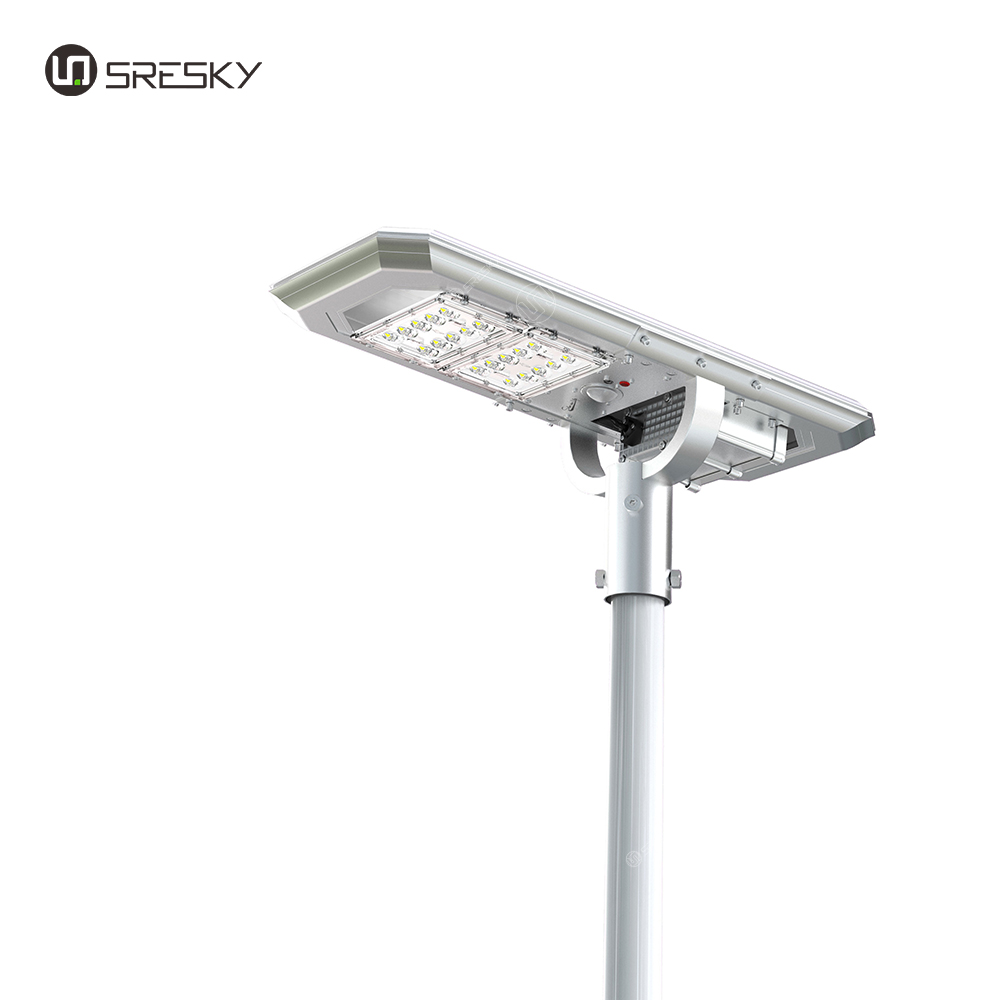
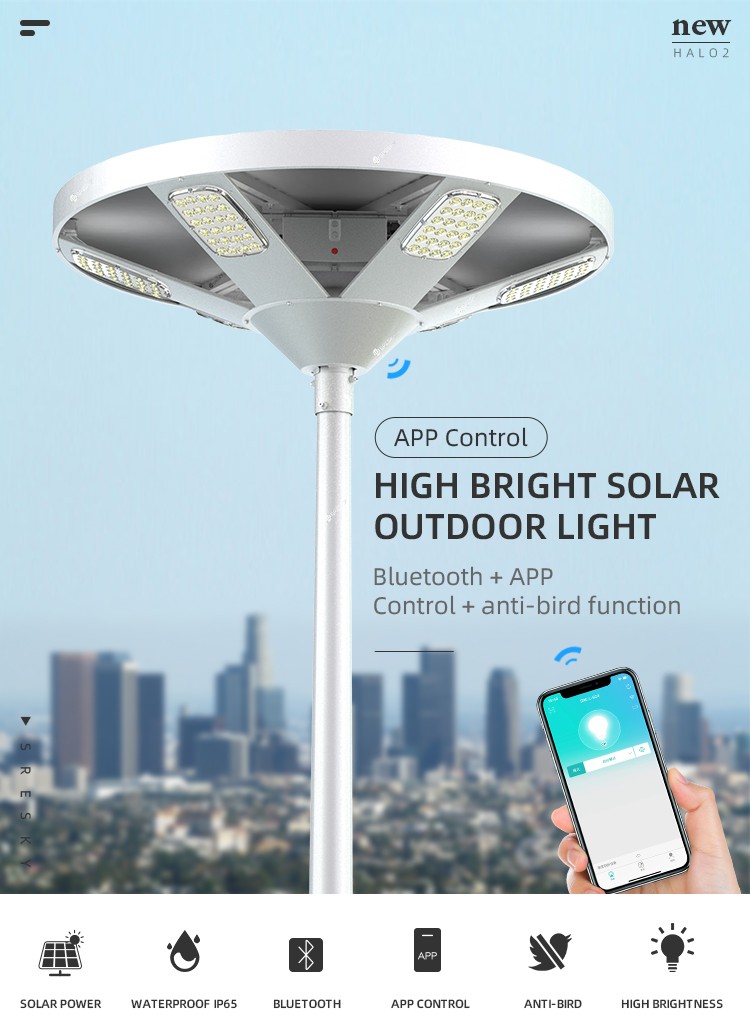
Solar Street Lights
Source commercial solar street lights directly from vetted manufacturers and wholesale suppliers. Built for importers, distributors, and brands requiring OEM/ODM production, our network ensures reliable bulk purchasing, rigorous factory-level quality control, and competitive pricing for your large-scale infrastructure projects.
Sourcing commercial-grade solar street lights requires navigating a complex matrix of battery chemistry, solar panel efficiency, and LED efficacy. The core challenge for buyers isn't just finding a factory with an attractive catalog; it is verifying that the supplier uses genuine A-grade cells and robust charge controllers that will survive harsh outdoor environments for years, rather than degrading after a single season.
Core Technical Specifications to Define
When negotiating with manufacturers, vague specifications lead to component substitution. To ensure consistent performance, particularly for municipal or commercial infrastructure, you must strictly define the internal components.
- Battery Chemistry & Capacity: Lithium Iron Phosphate (LiFePO4) is the commercial standard, offering over 2000 charge cycles and superior thermal stability compared to standard Li-ion. Specify the exact Ah (Ampere-hour) rating and demand virgin, A-grade cells. A common factory shortcut is using recycled EV batteries, which severely impacts lifespan.
- Charge Controllers: For any light over 30W, an MPPT (Maximum Power Point Tracking) controller is mandatory. While PWM controllers are cheaper, MPPT controllers offer up to 30 percent higher charging efficiency, which is critical for maintaining battery health during consecutive cloudy days.
- LED Chips & Efficacy: Specify the brand (e.g., Philips, Bridgelux, Osram) and the luminous efficacy. High-end commercial fixtures should deliver over 170 lumens per watt (lm/W).
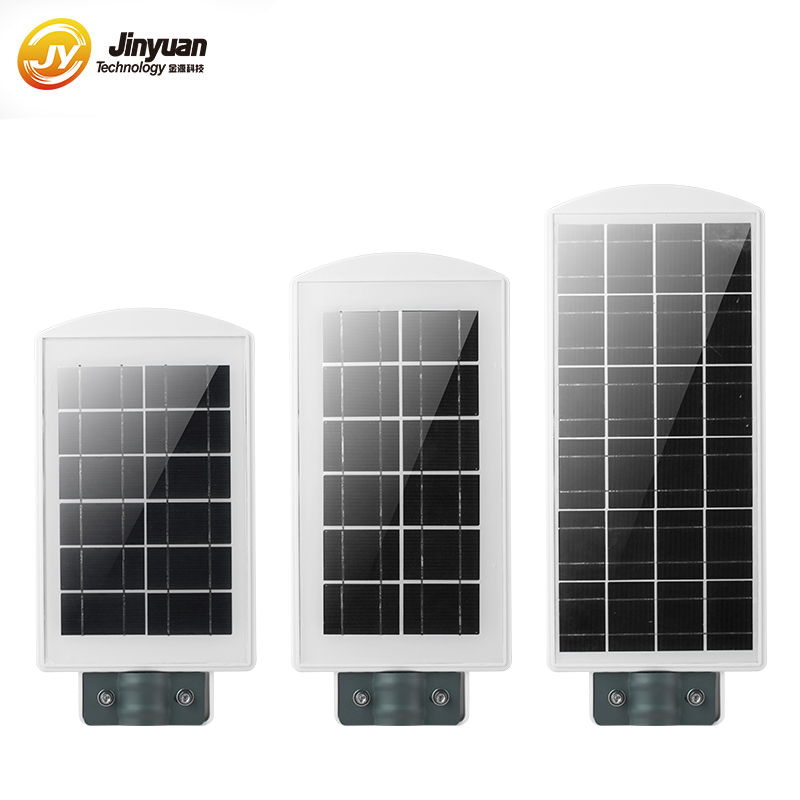
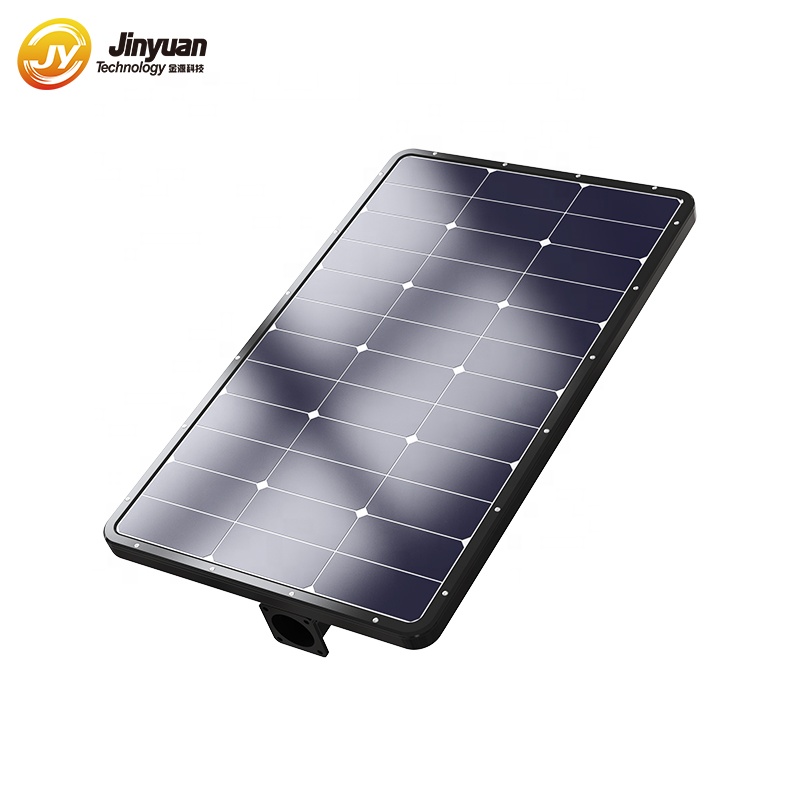
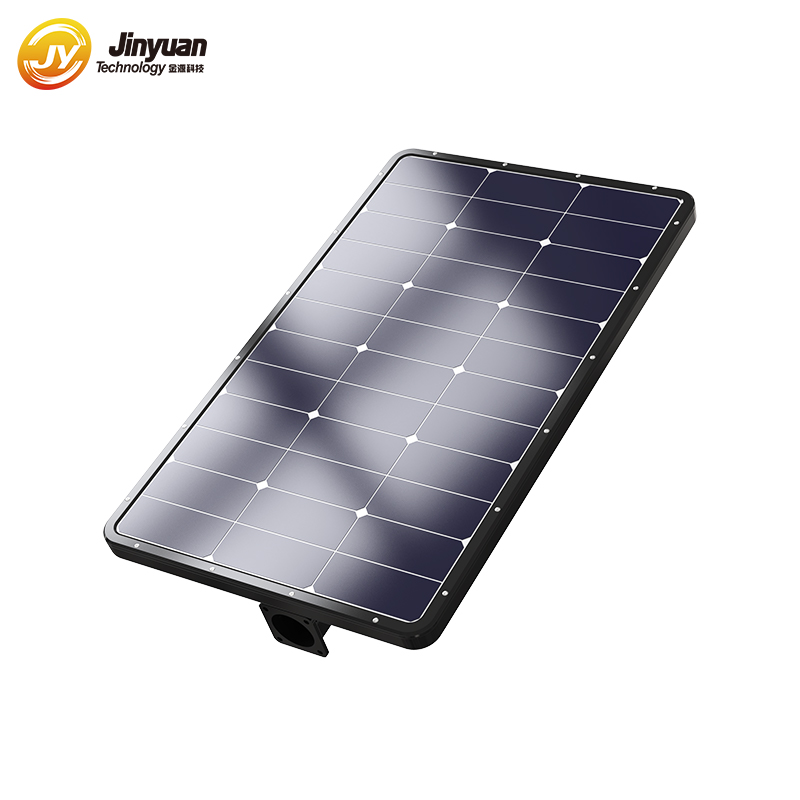
- Solar Panel Type: Monocrystalline panels are standard for high-performance units due to their higher conversion efficiency (typically 21 to 24 percent) compared to polycrystalline alternatives.
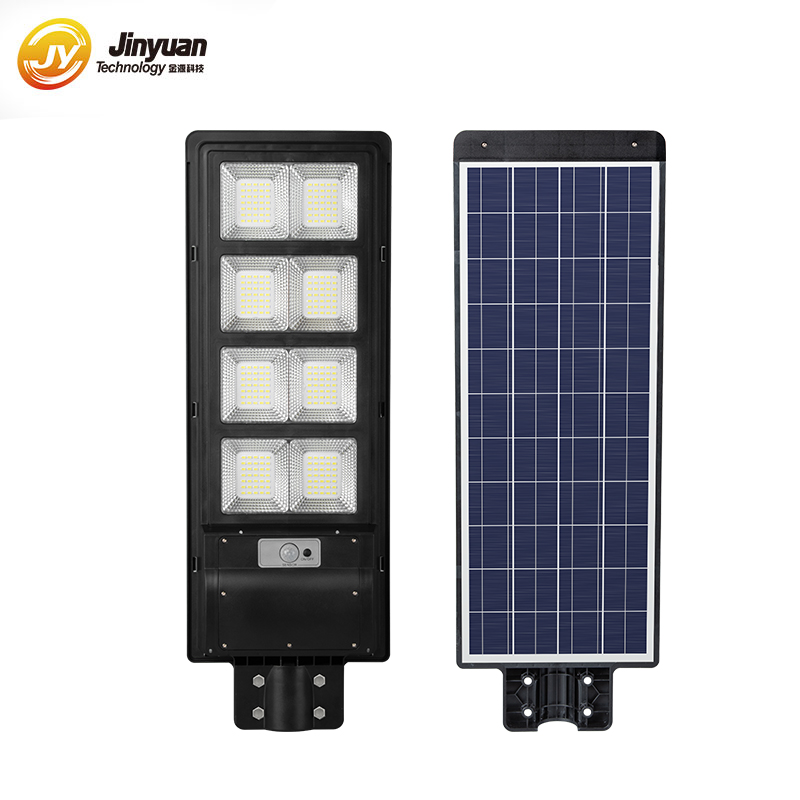
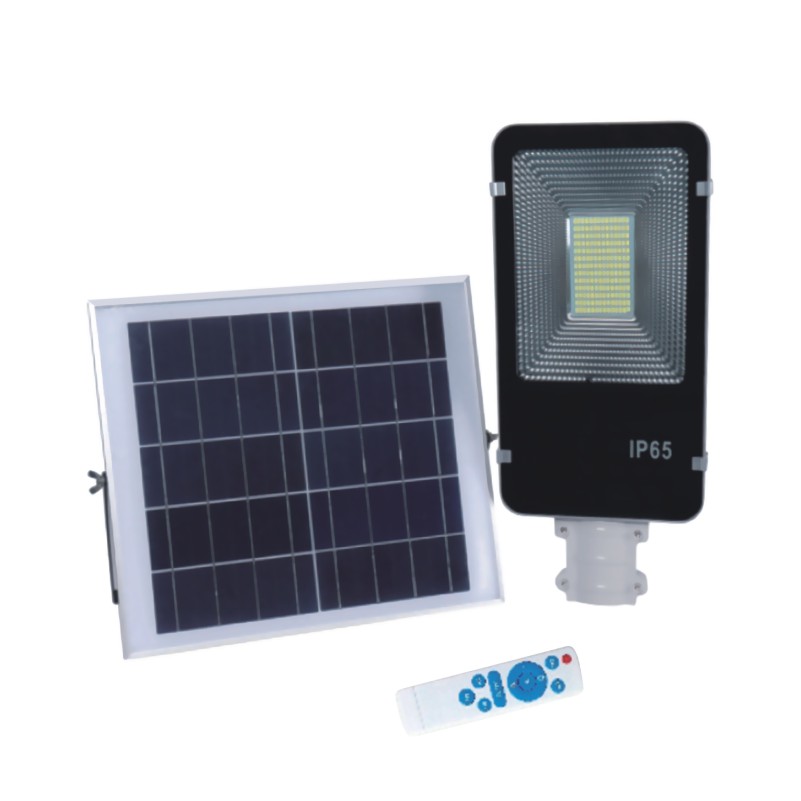
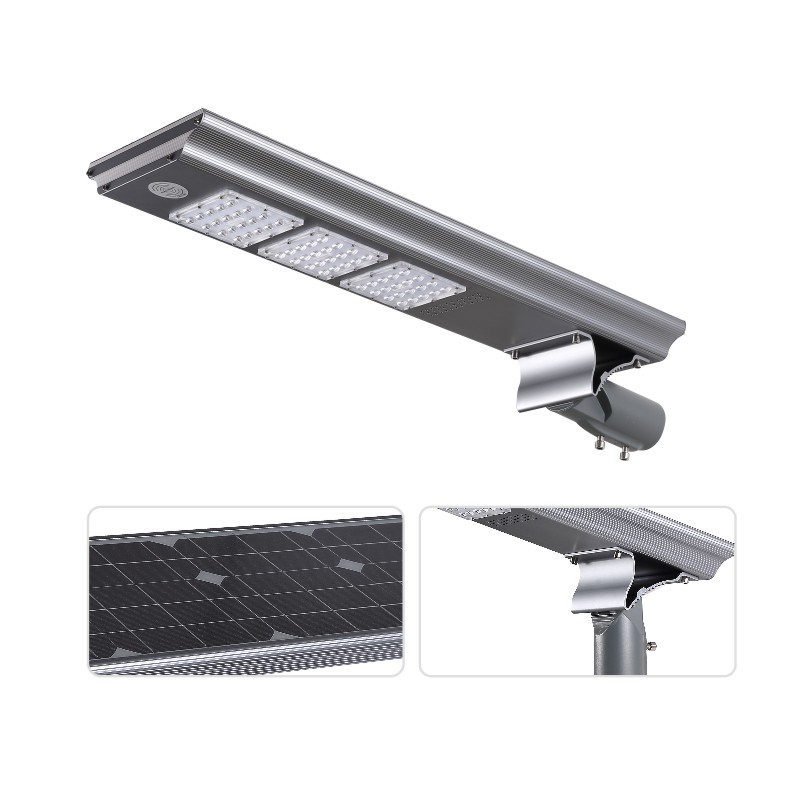
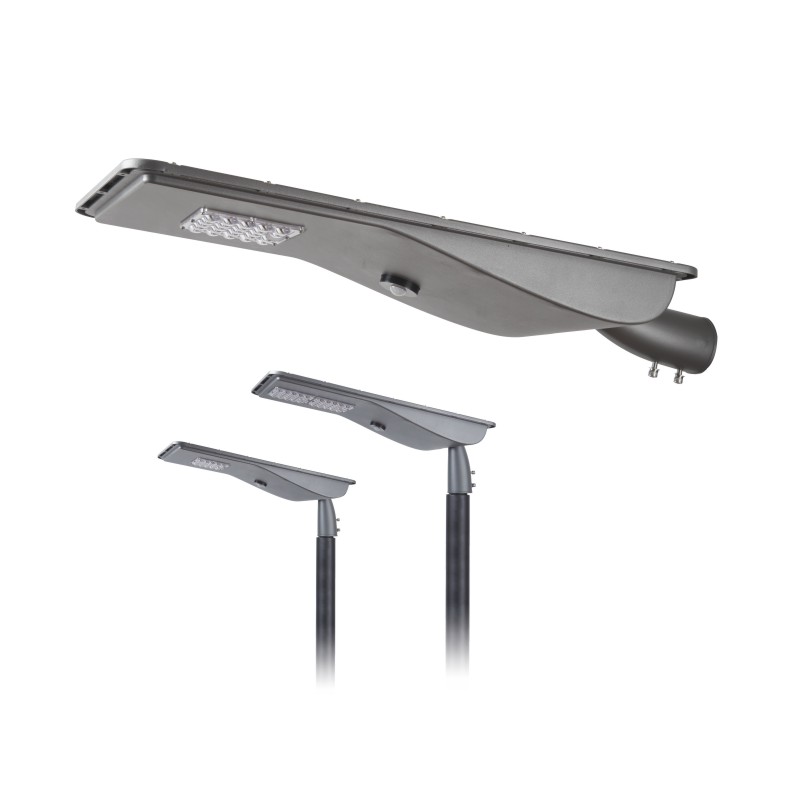
| Architecture | All-in-One (Integrated) | Split-Type |
|---|---|---|
| Design | Panel, battery, and LED in one compact housing | Separate panel, battery, and LED fixture |
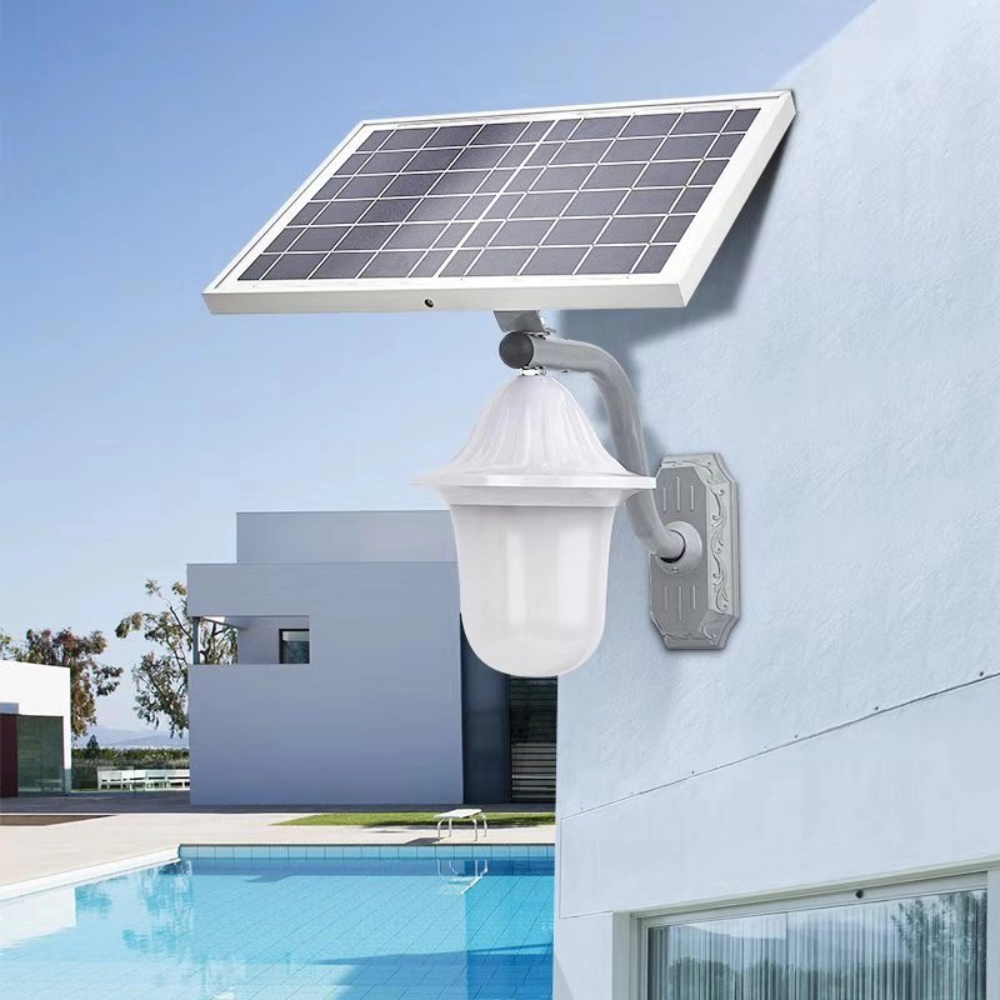
| Installation | Fast, low labor cost | Labor-intensive, requires complex wiring |
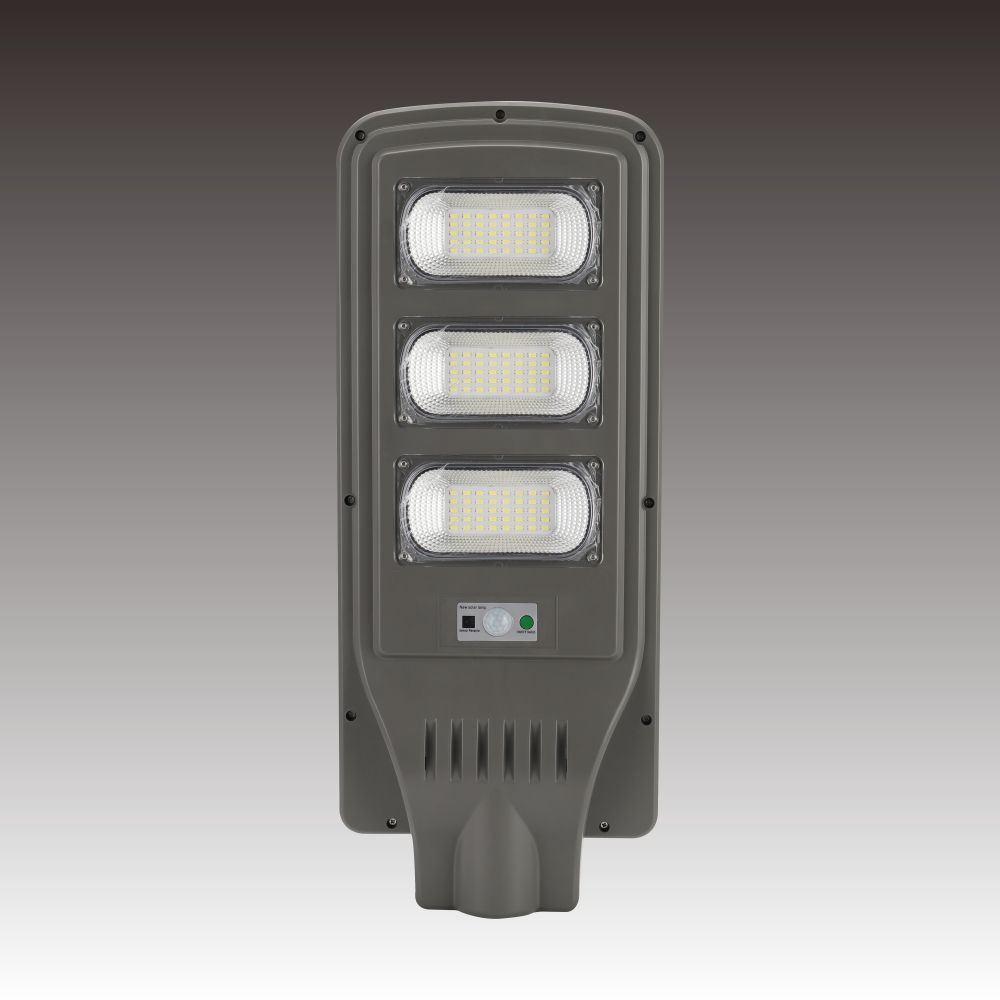
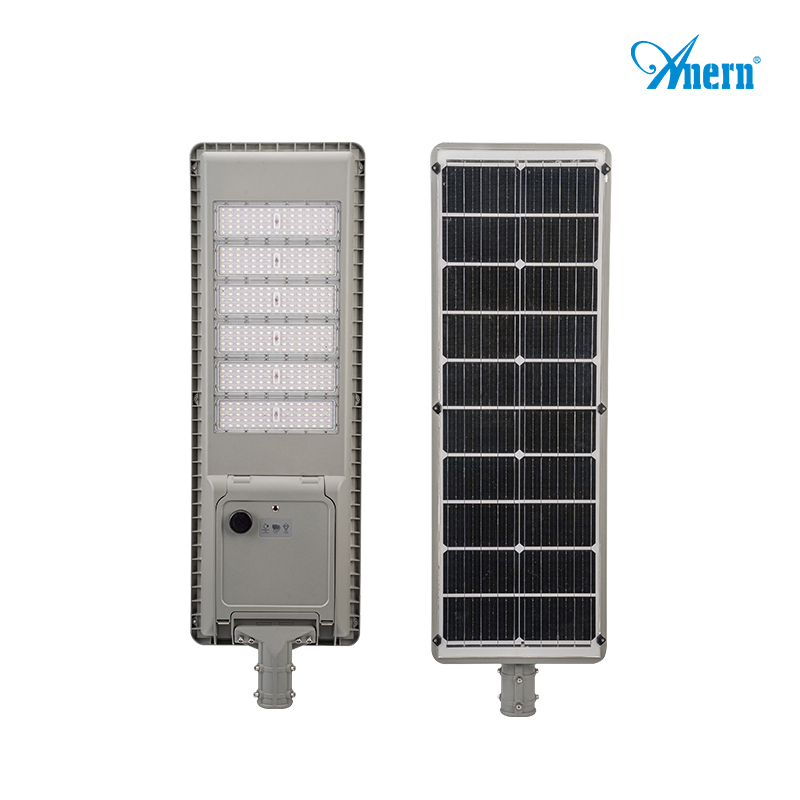
| Power Capacity | Limited by housing size (typically under 120W) | Highly scalable for high-wattage highway lighting |
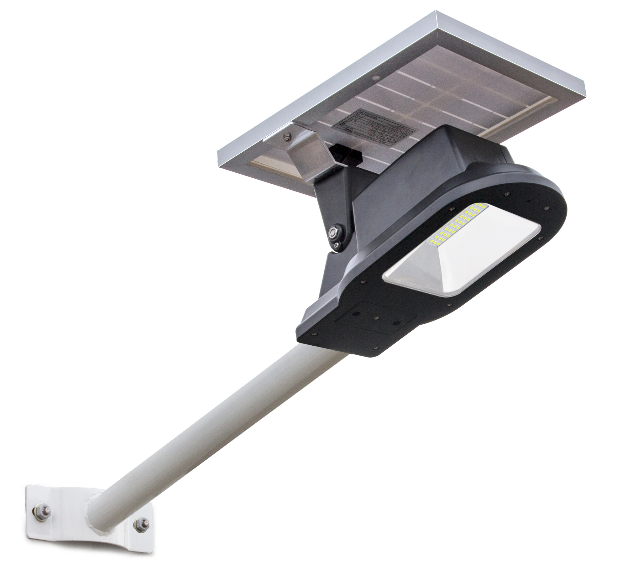
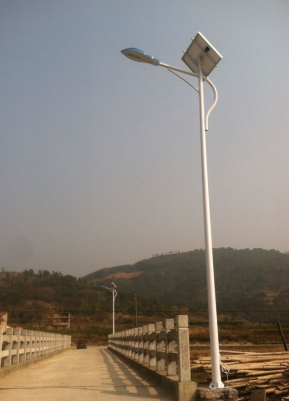
| Maintenance | Entire unit often needs removal for battery swaps | Components can be replaced individually |
Navigating component specifications and factory capabilities? Let our sourcing experts help you verify suppliers and secure reliable manufacturing partners.
Talk to our teamManufacturing Vulnerabilities and Quality Control
The manufacturing of solar street lights is essentially an assembly process, meaning quality is won or lost in component sourcing and final integration. Poor thermal management will degrade LED chips rapidly, while inadequate sealing leads to water ingress and catastrophic battery failure.
Before committing to a large order, conducting on-site factory audits is crucial to verify that the supplier actually has the testing equipment they claim. Look for integrating spheres (for lumen and color temperature testing), battery aging racks, and IP waterproof testing chambers.
Critical Pre-Shipment Inspection Points
- Battery capacity verification using electronic load testers (checking for false labeling).
- IP65/IP66 waterproof testing on the housing seals and cable glands.
- Thermal imaging during operation to ensure the heat sink effectively dissipates heat from the LED array.
- Verification of MPPT controller charging efficiency under simulated low-light conditions.
- Drop testing and vibration testing for the mounting brackets and die-cast aluminum housing.
Implementing strict quality control and inspection protocols during production prevents defective units from ever leaving the factory floor.
OEM Customization and Smart City Integration
For brands and large-scale project developers, off-the-shelf models often fall short of specific tender requirements. Working with capable factories allows for extensive OEM/ODM services. This can range from custom die-cast aluminum housing molds to specific lighting distribution curves (Type II, Type III) achieved through custom optical lenses.
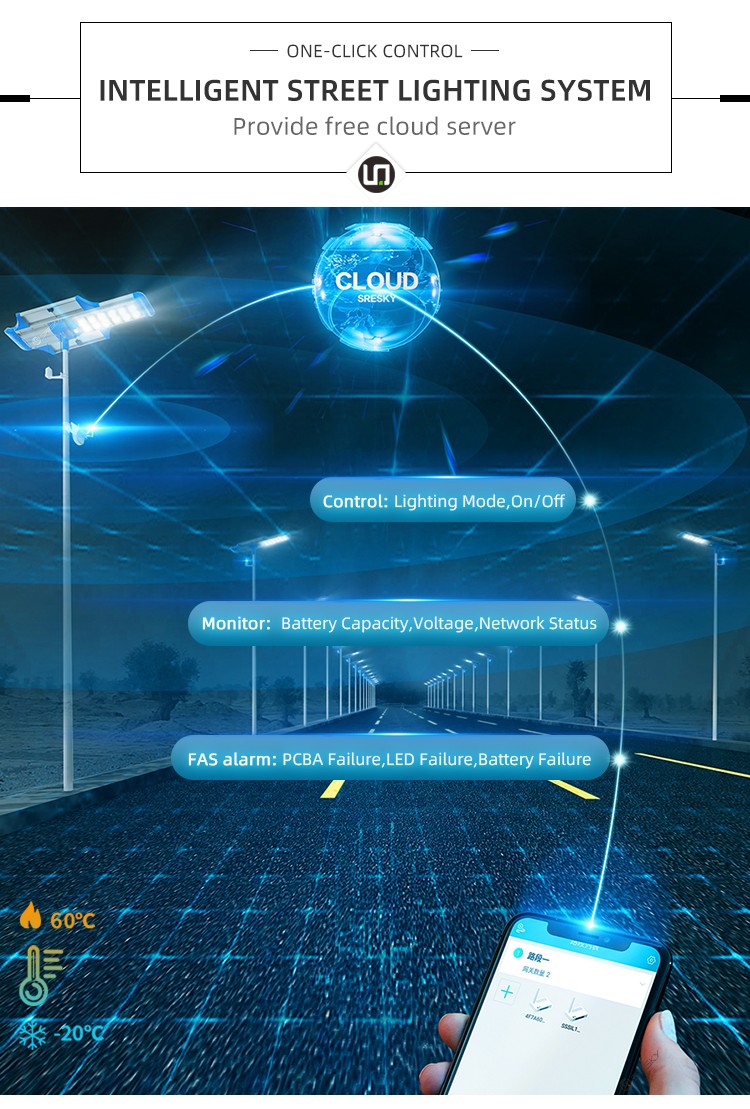
Furthermore, modern infrastructure increasingly demands smart city integration. You can specify the inclusion of NEMA sockets, microwave motion sensors, and IoT connectivity modules (LoRa, Zigbee, or 4G) for remote monitoring and dimming control.
Pricing, MOQs, and Lead Times
Pricing in this category is heavily dictated by the raw material costs of lithium and silicon. The battery and solar panel typically account for 60 to 70 percent of the total BOM (Bill of Materials) cost.
Beware of quotes that are significantly below market average; this almost always indicates a reduction in battery capacity, the use of recycled cells, or downgraded solar panels.
Planning a large-scale lighting project? We can negotiate pricing, audit factories, and manage the entire supply chain on your behalf.
Get a free consultationFrequently Asked Questions
Successfully sourcing solar street lights at scale requires looking past the outer housing and rigorously validating the internal electronics. By standardizing your technical requirements and enforcing strict factory-level oversight, you protect your investment and ensure long-term reliability in the field.
Get Sourcing Help for Solar Street Lights
Tell us your requirements and our experts will connect you with verified manufacturers.