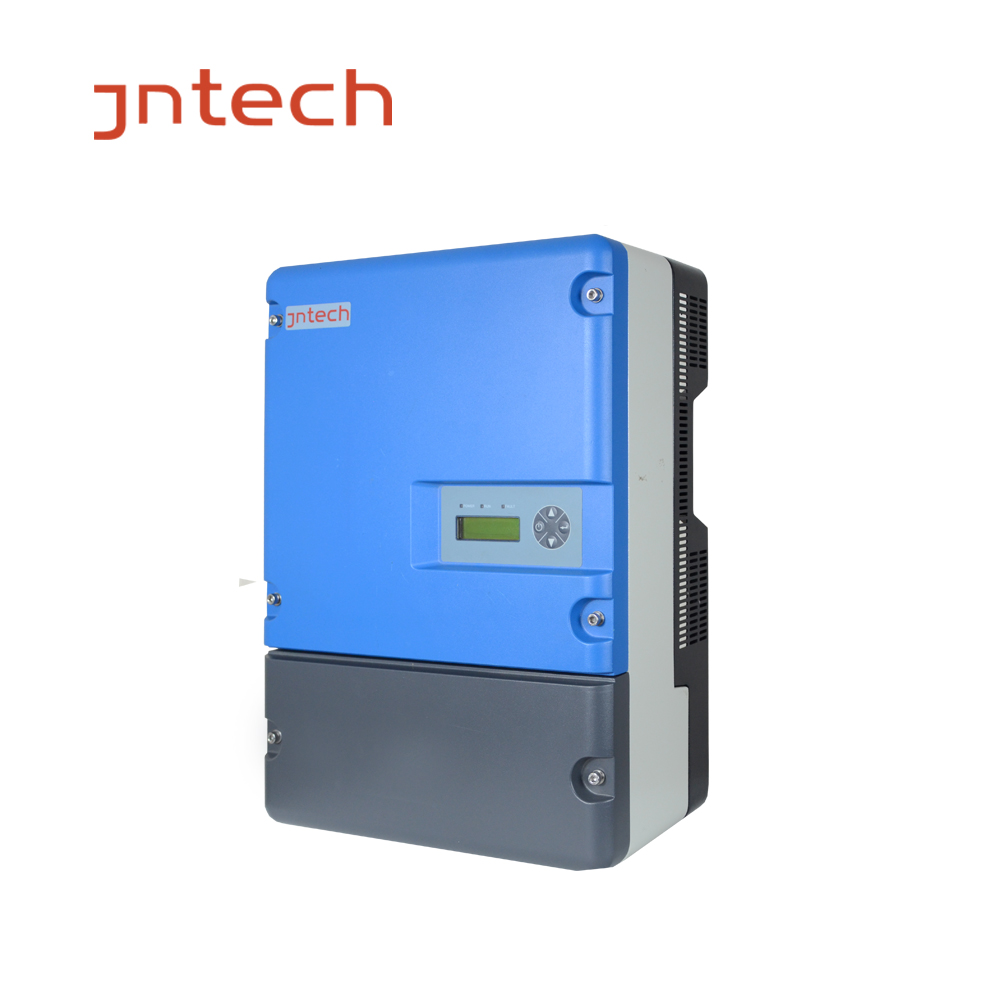
Solar Pump Inverters
Source high-performance Solar Pump Inverters directly from vetted suppliers and manufacturers in China. Designed for importers, renewable energy distributors, and brands seeking reliable OEM/private-label production, our bulk sourcing solutions ensure competitive pricing, rigorous quality control, and scalable manufacturing.
Sourcing solar pump inverters requires navigating a highly fragmented manufacturing base where external casing often masks vast differences in internal component quality. Because these units are deployed in harsh, remote agricultural or off-grid environments, failure rates directly impact your brand's reputation and warranty costs. Success depends on verifying the core power electronics, thermal management systems, and the factory's assembly standards before committing to a volume order.
Critical Specifications and Component Selection
The reliability of a solar pump inverter hinges on its Variable Frequency Drive (VFD) capabilities and Maximum Power Point Tracking (MPPT) algorithm. When evaluating a manufacturer's technical sheet, look beyond the basic kilowatt rating.
The Core: IGBT Modules and DSPs
The Insulated-Gate Bipolar Transistor (IGBT) module is the heart of the inverter. Premium manufacturers use recognized tier-one brands (like Infineon or Fuji Electric) for their IGBTs, while lower-cost factories may substitute domestic alternatives. While domestic IGBTs have improved, they require rigorous validation for high-power applications (over 15kW). The Digital Signal Processor (DSP), typically from Texas Instruments, dictates the responsiveness of the MPPT and motor control algorithms.
Need help verifying supplier component sourcing and BOM transparency?
Talk to our teamEnclosure and Thermal Management
Inverters are generally categorized by their ingress protection (IP) rating, which dictates the cooling design and target market.
| Feature | IP20 (Cabinet Mount) | IP54/IP65 (Outdoor Wall Mount) |
|---|---|---|
| Cooling Method | Active fan cooling (forced air) | Passive heatsink or sealed IP-rated fans |
| PCB Protection | Standard conformal coating | Thick-film potting or heavy conformal coating |
| Cost Premium | Baseline | Add 20 to 35 percent to unit cost |
| Target Application | Large agricultural control rooms | Direct field/pole mounting |
Manufacturing Standards and Quality Control
The power electronics supply chain in China (heavily concentrated in Shenzhen and Suzhou) is mature, but assembly quality varies. A glossy catalog does not guarantee a clean, static-free Surface-Mount Technology (SMT) line. Conducting thorough factory audits is essential to ensure the supplier actually populates their own PCBs rather than outsourcing to a lower-tier assembly house.
Where Quality is Won or Lost
- Conformal Coating Application: Agricultural environments are dusty and humid. The PCB must be heavily coated to prevent short circuits. Automated spray coating is vastly superior to manual brushing, which often leaves bare patches.
- Burn-in Testing: Inverters should undergo a 100 percent burn-in test at elevated temperatures (usually 45 to 50 degrees Celsius) under full load for at least 4 to 8 hours to catch early component failure.
- Algorithm Stability: The MPPT algorithm must respond smoothly to sudden drops in solar irradiance (e.g., passing clouds) without causing the pump to stall or the inverter to fault out.
Essential Factory QC Checkpoints
- Verification of genuine IGBT and DSP components against the approved BOM.
- Automated Optical Inspection (AOI) on all SMT PCB assemblies.
- Hipot (Dielectric Withstand) testing for safety compliance.
- Full-load burn-in testing in environmental chambers.
- Vibration testing for units intended for rough freight transit.
Implementing independent quality control and inspection before shipment ensures that the units packed match the golden sample approved during development.
Sourcing Realities: MOQ, Pricing, and Lead Times
Pricing for solar pump inverters scales non-linearly with power output. Small single-phase units (0.75kW to 2.2kW) are highly commoditized, whereas high-power three-phase units (up to 110kW or more) require sophisticated engineering and command a premium.
- Minimum Order Quantities (MOQ): For standard, off-the-shelf designs with your logo printed, MOQs typically range from 50 to 100 units. If you require OEM/ODM services for custom enclosure tooling, custom firmware (like specific IoT/monitoring integrations), or unique UI displays, expect MOQs to start at 500 units to amortize R&D costs.
- Pricing Drivers: The primary cost drivers are the IGBT module, the size of the aluminum heatsink (which fluctuates with raw material costs), and the IP rating. Adding built-in GPRS/4G modules for remote monitoring usually adds a flat fee per unit.
- Lead Times: Standard production runs take 25 to 35 days. Custom OEM projects, including tooling and firmware validation, can take 60 to 90 days before mass production begins.
Evaluating pricing tiers and production lead times for your next inverter order?
Get a free consultationRegulatory Compliance
Selling into regulated markets (like the EU or North America) requires strict adherence to electrical safety and electromagnetic compatibility (EMC) standards. Ensure your supplier can provide valid, verifiable test reports for CE (EN 62109, EN 61000) or UL/CSA standards. Utilizing professional compliance and testing services protects you from importing uncertified goods that could be seized at customs.
Successfully importing solar pump inverters requires looking past the spec sheet and scrutinizing the factory floor. By controlling the bill of materials, enforcing strict burn-in testing, and managing the compliance documentation, you can secure reliable hardware that performs flawlessly in the field.
Get Sourcing Help for Solar Pump Inverters
Tell us your requirements and our experts will connect you with verified manufacturers.