Solar Monitoring Systems
Source industrial-grade Solar Monitoring Systems from vetted manufacturers and suppliers in China and across Asia. Designed for importers, renewable energy distributors, and brands seeking reliable OEM and private-label production. Secure competitive bulk pricing directly from the factory.
Sourcing solar monitoring systems at scale requires balancing hardware durability in harsh environments with seamless software integration. The core challenge isn't just finding a supplier who can assemble a printed circuit board; it is identifying a manufacturing partner capable of rigorous environmental testing, stable firmware development, and reliable communication protocol implementation. For bulk buyers, mitigating failure rates in the field starts on the factory floor.
Critical Specifications for Bulk Procurement
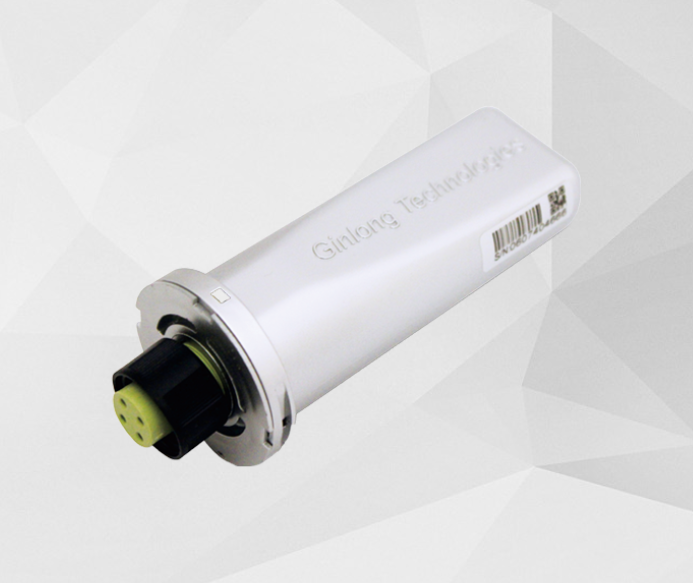
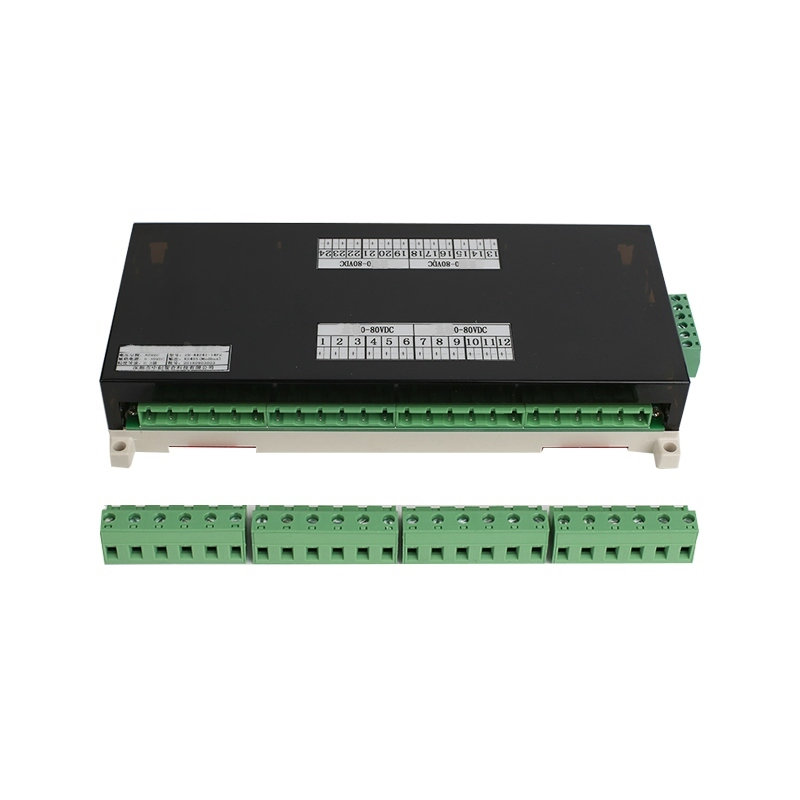
When negotiating with manufacturers, the specifications of the data logger or monitoring gateway dictate both the unit cost and the field reliability. Ensure your supplier provides clear datasheets detailing the microcontroller unit (MCU) brand, memory capacity for offline data caching, and the specific communication modules utilized.
The choice of communication protocol fundamentally impacts the hardware design and the target market for your product.
| Protocol Interface | Effective Range | Primary Application | Power Draw |
|---|---|---|---|
| Wi-Fi (2.4GHz) | Local network dependent | Residential & small commercial | Moderate |
| 4G / LTE | Cellular network coverage | Remote utility-scale solar farms | High |
| LoRaWAN | Up to 15 kilometers (line of sight) | Large distributed agricultural sites | Low |
| RS485 / Modbus | Up to 1200 meters | Industrial high-interference zones | Minimal |
Beyond connectivity, environmental protection is non-negotiable. Enclosures must meet at least IP65 standards, though IP67 is recommended for exposed installations. UV-resistant polycarbonate or die-cast aluminum enclosures prevent premature degradation.
Evaluating communication modules and enclosure tooling? Let our engineers help you vet capable hardware manufacturers.
Talk to our teamManufacturing Quality & Factory Evaluation
The reliability of a solar monitoring system is won or lost during the Printed Circuit Board Assembly (PCBA) phase. Because these devices operate outdoors in fluctuating temperatures and high humidity, standard consumer-grade manufacturing processes are insufficient.
Conducting thorough Factory Audits is essential to verify that a supplier has the specialized equipment required for industrial IoT production.
Key Factory Capabilities to Verify
- Conformal Coating: Automated spray lines to protect PCBs from moisture and dust.
- Burn-in Testing: Dedicated thermal chambers for testing units at elevated temperatures (often 60 to 85 Celsius) for 24 to 48 hours.
- Automated Optical Inspection (AOI): Inline inspection to detect soldering defects on high-density SMD components.
- RF Calibration: Proper testing equipment to ensure stable Wi-Fi, 4G, or LoRa signal transmission.
Implementing independent Quality Control & Inspection prior to shipment ensures that protocol handshakes, data logging intervals, and enclosure seals meet your exact specifications before container loading.
OEM/ODM Customization and Firmware
Most brands and large distributors require custom branding, not just on the physical enclosure but within the software ecosystem. Partnering with a factory for OEM/ODM Services allows you to white-label the hardware and integrate the data stream directly into your proprietary cloud dashboard.
When defining OEM requirements, specify the API architecture (e.g., MQTT, RESTful APIs) and ensure the factory's firmware supports over-the-air (OTA) updates. OTA capability is critical for patching security vulnerabilities and updating inverter protocol libraries without dispatching technicians to the site.
MOQs, Lead Times, and Pricing Dynamics
Understanding factory production realities helps you negotiate better terms and plan your supply chain effectively.
- Minimum Order Quantities (MOQs): Standard off-the-shelf data loggers with basic white-labeling (logo printing) typically require MOQs of 200 to 500 units. If you require custom firmware, custom API integration, or bespoke enclosure tooling, expect MOQs to start at 1,000 to 3,000 units.
- Pricing Drivers: The cost of the communication module is a primary price driver. 4G/LTE modules are significantly more expensive than standard Wi-Fi chips. Additionally, industrial-grade components rated for extreme temperatures (minus 40 to 85 Celsius) carry a premium over commercial-grade parts.
- Lead Times: Standard production runs generally take 30 to 45 days. However, initial OEM orders requiring firmware validation and pilot runs can extend the timeline to 60 or 90 days.
Need to optimize your unit costs while maintaining industrial-grade reliability? We negotiate directly with top-tier IoT manufacturers on your behalf.
Get a free consultationFrequently Asked Questions
Procuring solar monitoring systems in bulk requires a strategic approach to both hardware durability and software flexibility. By prioritizing factories with robust PCBA quality controls and proven firmware engineering capabilities, you can deploy monitoring solutions that deliver accurate, uninterrupted data for the lifespan of the solar array.
Get Sourcing Help for Solar Monitoring Systems
Tell us your requirements and our experts will connect you with verified manufacturers.