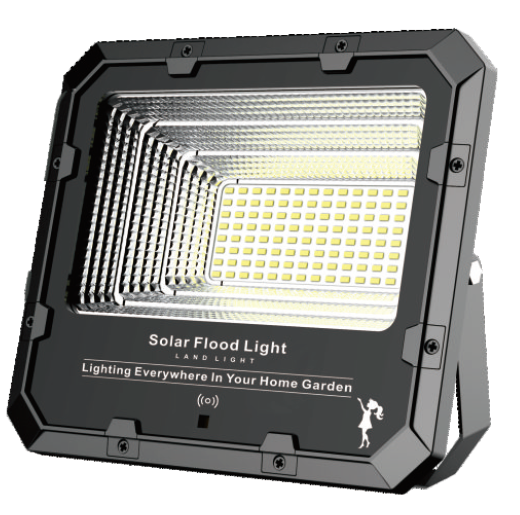
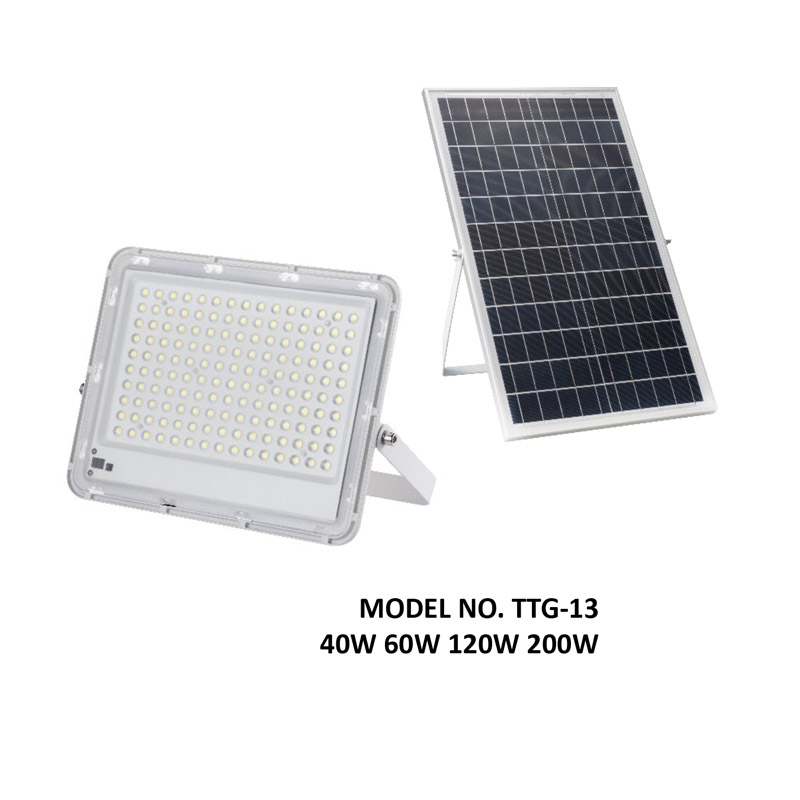
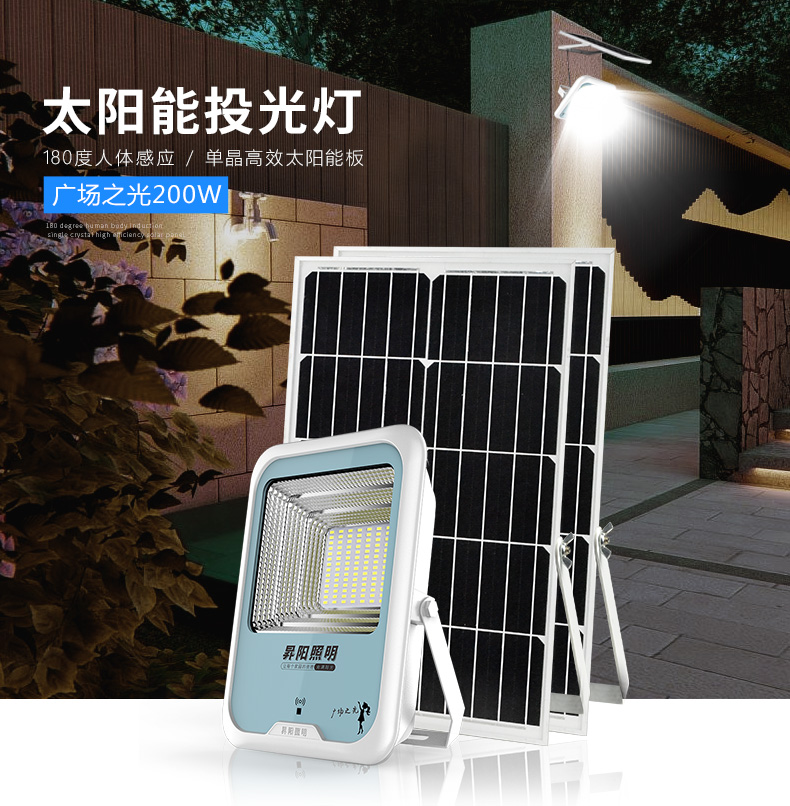
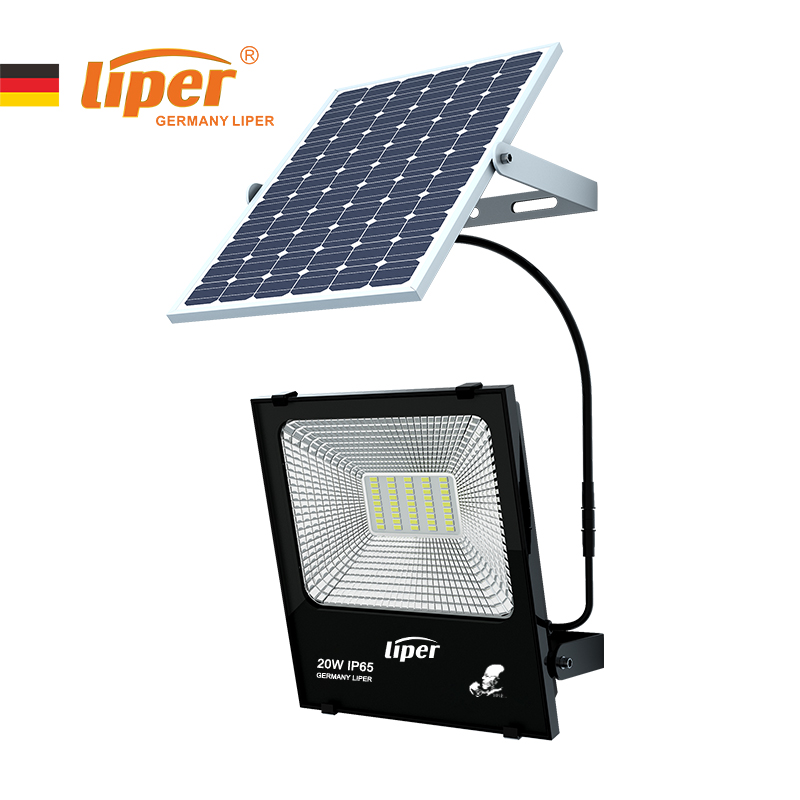
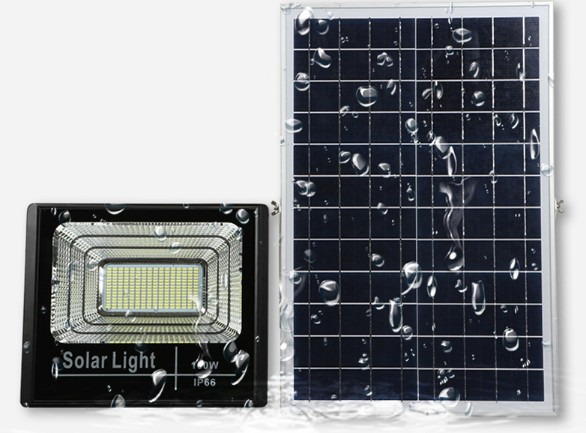
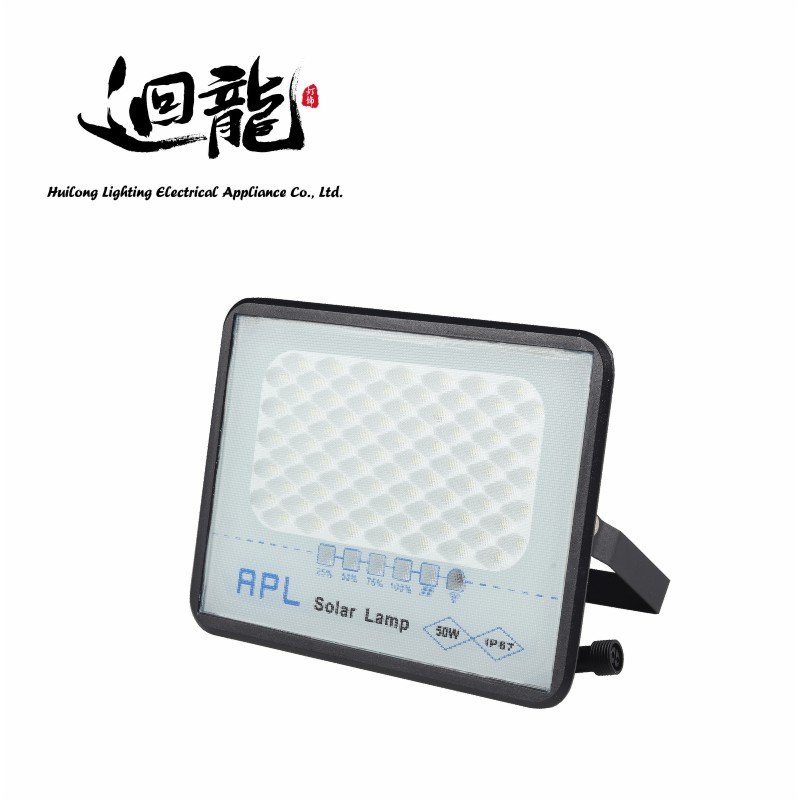
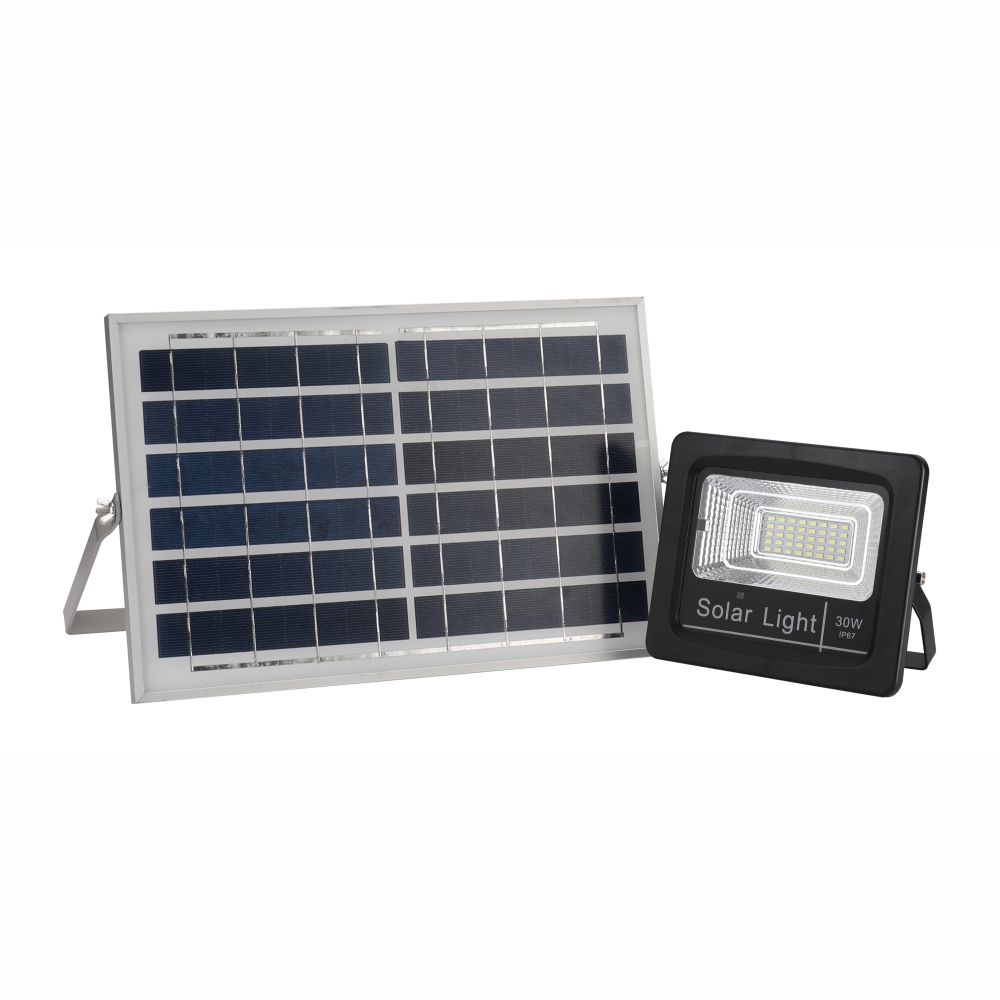
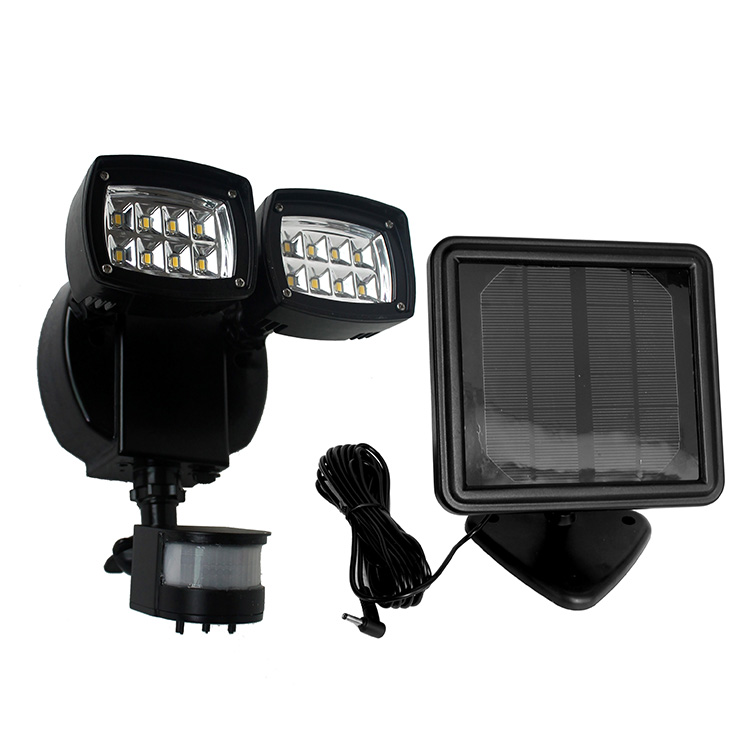
Solar Flood Lights
Source commercial-grade solar flood lights directly from vetted manufacturers and suppliers. Designed for importers, distributors, and brands seeking reliable wholesale purchasing or custom OEM production. Ensure high performance, longevity, and compliance for your bulk lighting orders.
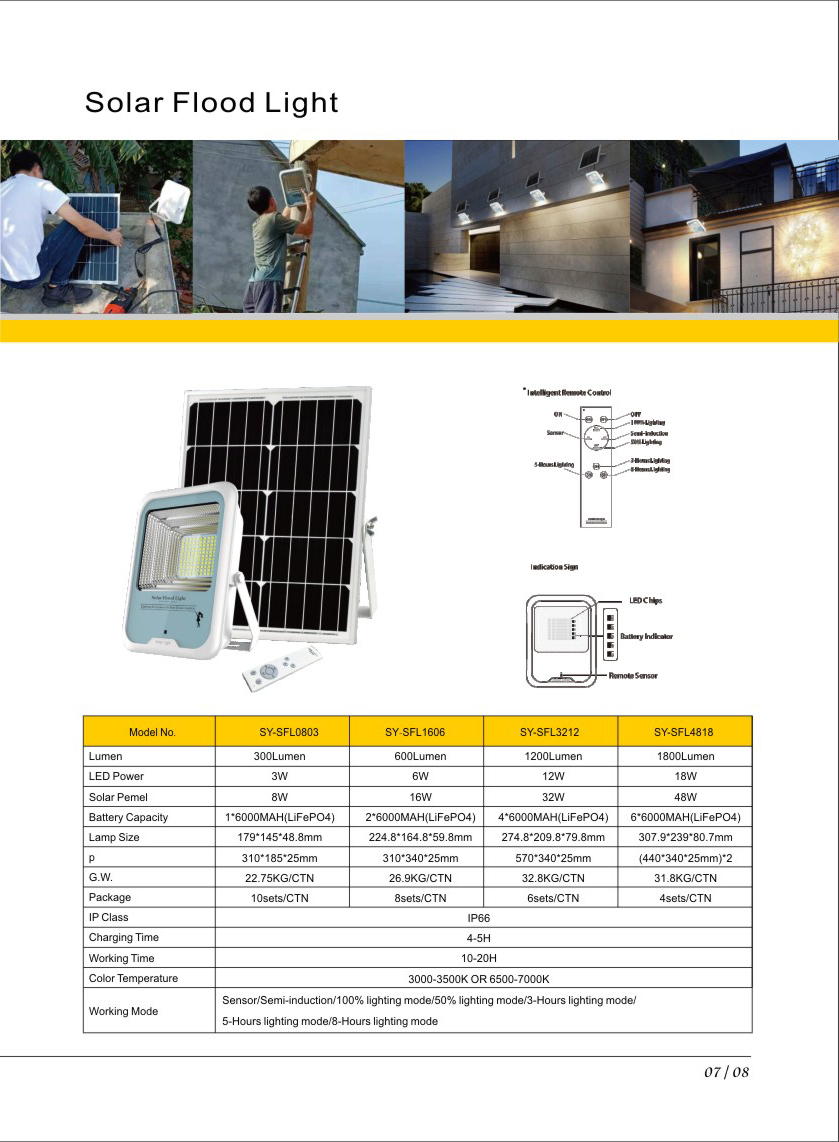
Sourcing commercial solar flood lights at scale requires balancing three independent subsystems: the LED module, the battery pack, and the photovoltaic panel. When procuring in volume, specifying "high lumen output" is not enough. Small misalignments in battery capacity, panel wattage, or thermal management will lead to premature failure in the field, driving up warranty claims and damaging your brand's reputation.
Core Specifications for Bulk Procurement
To ensure reliable performance, professional buyers must dictate exact specifications to the factory rather than relying on off-the-shelf spec sheets, which often inflate capabilities.
- Photovoltaic Panels: Monocrystalline panels are the commercial standard, offering conversion efficiencies of 19 to 22 percent. Polycrystalline panels are cheaper but require a larger surface area to achieve the same wattage, which can complicate mounting and wind-load calculations.
- Battery Chemistry: The battery is the most expensive and volatile component. Lithium Iron Phosphate (LiFePO4) is heavily preferred over standard Lithium-Ion (NMC) for outdoor lighting due to its thermal stability and superior cycle life.
- Luminous Efficacy: Look for LED chips (like Philips, Osram, or high-tier Bridgelux) delivering 130 to 170 lumens per watt (lm/W). High-wattage claims mean nothing if the efficacy is low.
| Specification | LiFePO4 (Commercial Standard) | Standard Li-Ion (Budget) |
|---|---|---|
| Cycle Life | 2000 to 3000+ cycles | 500 to 1000 cycles |
| Thermal Stability | Excellent (up to 60°C) | Poor (degrades rapidly over 45°C) |
| Cost | Higher initial unit cost | Lower initial unit cost |
Need help verifying factory specifications and securing the right components for your next order? Merhein's sourcing experts can match you with capable manufacturers.
Talk to our teamManufacturing Pitfalls and Quality Assurance
The difference between a reliable solar flood light and a failure often comes down to assembly protocols and the Battery Management System (BMS). A cheap BMS will fail to protect the battery from overcharging during peak summer or deep-discharging during consecutive cloudy days.
Water ingress is another major failure point. Many factories claim IP65 or IP67 ratings, but poor gasket installation or cheap silicone sealants will allow moisture to destroy the driver and LED board. Implementing rigorous Quality Control & Inspection protocols during assembly and before shipment is non-negotiable.
Critical Pre-Shipment Inspection Points
- Waterproof testing (submersion or high-pressure spray) to verify IP ratings.
- Integrating sphere testing to confirm actual lumen output and color temperature.
- BMS functionality checks (overcharge and over-discharge cut-off verification).
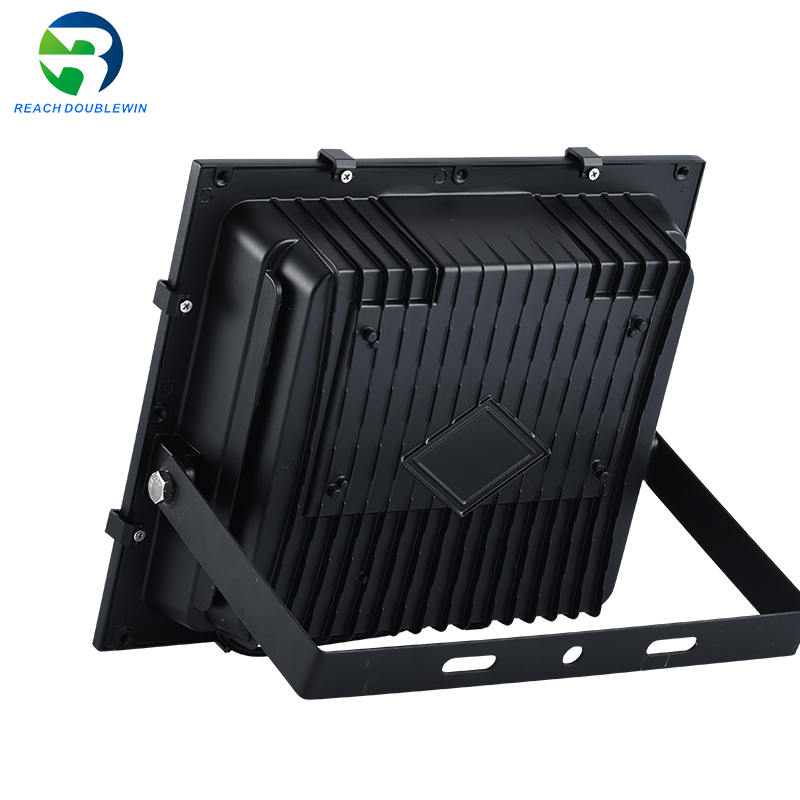
- Housing inspection for adequate heat-sink weight and thermal paste application.
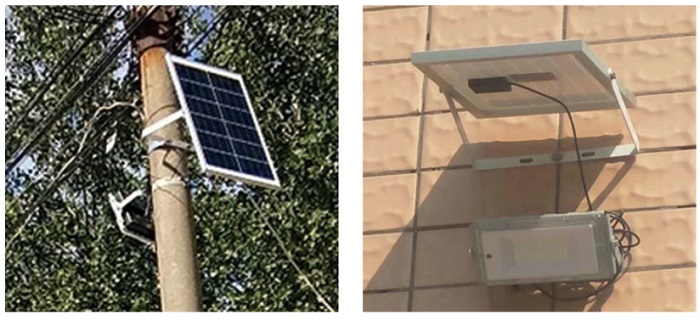
- Drop testing and vibration testing for mounting brackets and panel arms.
Before committing to a large order, it is highly recommended to conduct Factory Audits to verify the supplier's testing equipment, aging room capacity, and ISO 9001 compliance.
OEM Customization and Compliance
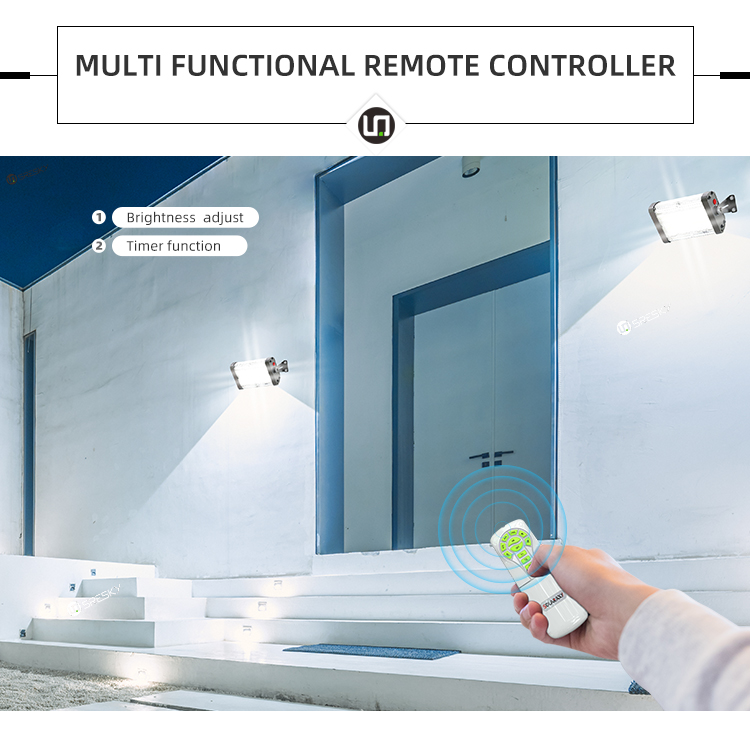
If you are developing a proprietary product line, off-the-shelf housings will not provide a competitive moat. Modifying die-cast aluminum molds, integrating advanced radar/PIR motion sensors, or developing custom lighting profiles (e.g., 100 percent brightness for 4 hours, then dropping to 30 percent) requires capable OEM/ODM Services.
Battery Compliance and Shipping
Solar flood lights contain large lithium batteries, classifying them as dangerous goods. Ensure your supplier provides valid UN38.3 test reports and Material Safety Data Sheets (MSDS). Without these, your shipment will be rejected by freight forwarders and customs.
Additionally, depending on your target market, you may need specific electrical safety and environmental certifications (such as CE, RoHS, FCC, or UL). Coordinating Compliance & Testing early in the development phase prevents costly delays at the border.
Typical MOQs, Pricing, and Production Times
Procurement terms vary widely based on the level of customization and the factory's scale. Standard models require lower commitments, while custom molds and specific battery requests demand higher volumes.
Managing MOQs, negotiating component costs, and coordinating international freight for hazardous goods is complex. Let Merhein streamline your supply chain.
Get a free consultationFrequently Asked Questions
Sourcing solar flood lights successfully means looking past the outer housing and scrutinizing the internal components that dictate lifespan. By enforcing strict specifications and rigorous quality oversight, you can secure reliable lighting products that protect your margins and satisfy your end-users.
Get Sourcing Help for Solar Flood Lights
Tell us your requirements and our experts will connect you with verified manufacturers.