Solar Energy Systems
Source commercial and residential Solar Energy Systems from vetted suppliers and manufacturers. Designed for importers, wholesalers, distributors, and brands seeking reliable OEM production, our network delivers scalable, high-efficiency solar solutions for global markets.
Sourcing complete solar energy systems requires more than just buying panels in bulk; it demands precise component matching, rigorous safety testing, and seamless integration between PV arrays, inverters, and storage. The core challenge for volume buyers is ensuring the entire system functions reliably across its 20-plus-year lifespan while meeting strict regional grid compliance. System integrators in Asia offer highly competitive pricing, but verifying their engineering capabilities and supply chain stability is critical before committing to large-scale procurement.
Component Integration and Technical Specifications
A solar energy system is only as robust as its weakest component. When sourcing complete kits or custom-engineered systems, buyers must scrutinize how the manufacturer integrates the core elements. Mismatched components lead to efficiency losses, firmware conflicts, and premature battery degradation.
Key technical specifications to define with your supplier include:
- Inverter Topology and Sizing: Specify whether the system requires string, micro, or hybrid inverters. The inverter's continuous AC output capacity must align with the PV array's DC peak, typically utilizing a DC-to-AC ratio of 1.2 to 1.3 to maximize yield without clipping.
- Battery Storage Chemistry: For hybrid and off-grid systems, Lithium Iron Phosphate (LiFePO4) is the industry standard due to its thermal stability and high cycle life (often exceeding 6,000 cycles at 80 percent Depth of Discharge).
- BMS Communication Protocols: The Battery Management System (BMS) must communicate flawlessly with the hybrid inverter. Specify CANbus or RS485 communication standards and verify that the inverter firmware natively supports the exact battery protocol.
| System Architecture | Primary Sourcing Focus | Typical Applications |
|---|---|---|
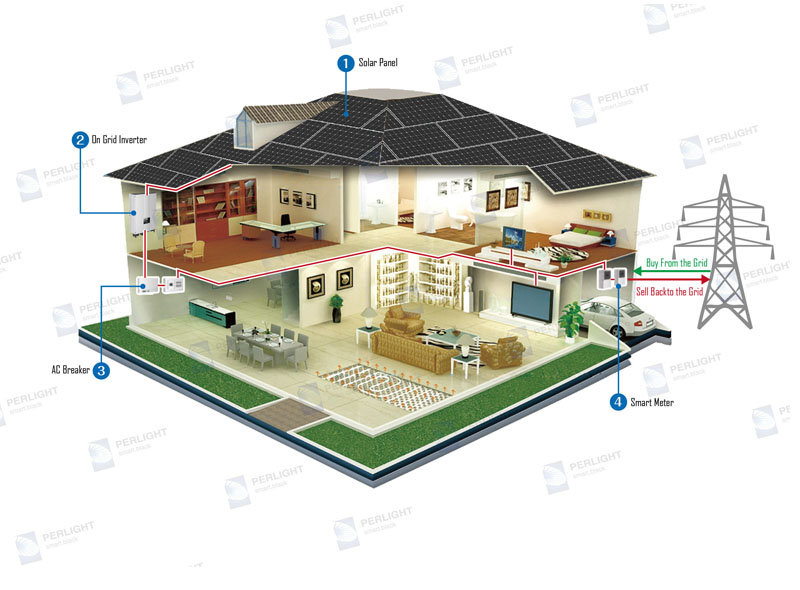
| Grid-Tied (No Storage) | Inverter anti-islanding compliance, PV efficiency | Commercial rooftops, urban residential |
| Hybrid (Grid + Storage) | BMS-inverter compatibility, peak shaving capability | High-tariff regions, backup power |
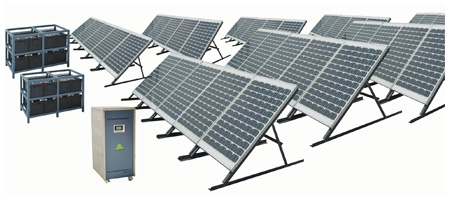
| Off-Grid (Storage Only) | Surge power capacity, deep cycle battery endurance | Remote industrial, rural electrification |
Factory Floor Realities: Where Quality is Won or Lost
Not all "manufacturers" of solar energy systems produce every component. Most are system integrators who manufacture one core piece (like the inverter or the battery) and source the rest (like the PV panels and mounting hardware) from partner factories.
Because you are relying on their supply chain management, conducting thorough Factory Audits is essential to verify their assembly processes, component sourcing standards, and testing infrastructure.
Critical Factory Verification Points
- Inverter Burn-In Testing: Verify the factory conducts 100% burn-in testing at full load for at least 12 to 24 hours.
- Battery Cell Grading: Ensure the assembler uses Grade A cells with matching internal resistance and voltage profiles.
- Firmware Flashing & QA: Confirm version control protocols for inverter and BMS firmware before packaging.
- Cable and Connector Standards: Check that all DC cables are UV-rated and use genuine or certified MC4-compatible connectors.
Ensure your solar systems meet strict performance and safety standards before they ship.
Talk to our teamCertification and Market Compliance
Solar energy systems are heavily regulated. Importing non-compliant systems can result in customs seizures or the inability to connect to the local utility grid. You must ensure that the specific combination of components holds the required certifications for your target market. Relying on a supplier's generic "CE" mark is not enough; you often need verifiable test reports from recognized third-party labs.
For inverters, North American markets require UL 1741 and IEEE 1547, while European markets require IEC 62109 and specific national grid codes (like VDE-AR-N 4105 in Germany). PV panels must typically meet IEC 61215 and IEC 61730. If a supplier cannot produce valid, verifiable certificates matching the exact model numbers on your PO, you will need to arrange independent Compliance & Testing before mass production.
Pricing, MOQs, and Lead Times
Pricing for solar energy systems fluctuates based on global polysilicon costs and lithium commodity prices. Because these systems are bulky and heavy, logistics play a massive role in your landed cost. Efficient Supply Chain Management is vital to consolidate panels, heavy batteries, and inverters into optimized shipping containers.
Need help consolidating complex solar system components from multiple factories?
Get a free consultationFrequently Asked Questions
A reliable solar energy system requires strict oversight across multiple manufacturing disciplines—from semiconductor assembly to heavy battery chemistry. Consolidating your procurement through vetted, technically capable integrators ensures your systems perform safely and efficiently for decades.
Get Sourcing Help for Solar Energy Systems
Tell us your requirements and our experts will connect you with verified manufacturers.