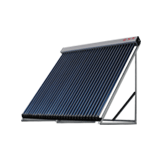
Solar Collectors
Source high-efficiency solar collectors in bulk directly from vetted manufacturers and wholesale suppliers. Built for commercial importers, distributors, and renewable energy brands looking for reliable OEM production, our network delivers certified thermal performance and strict quality control at scale.
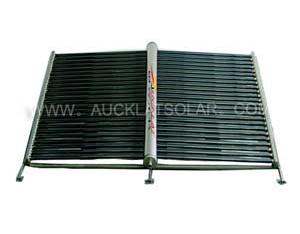
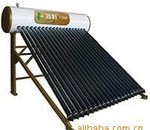
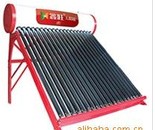
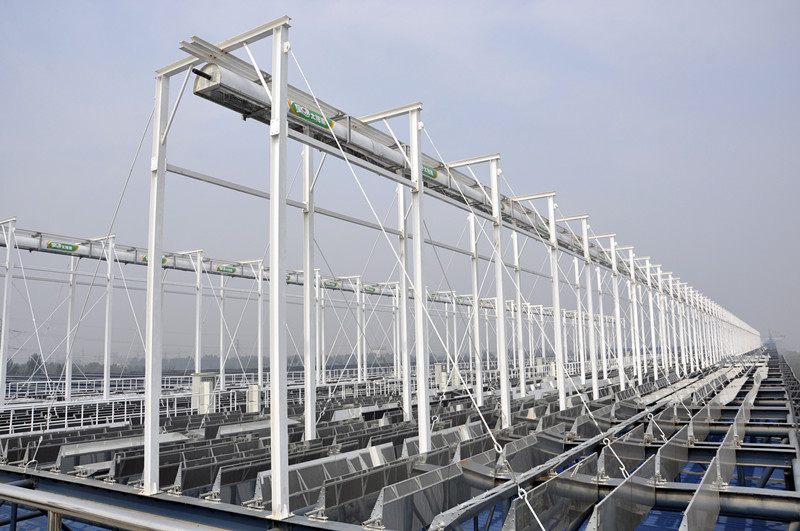
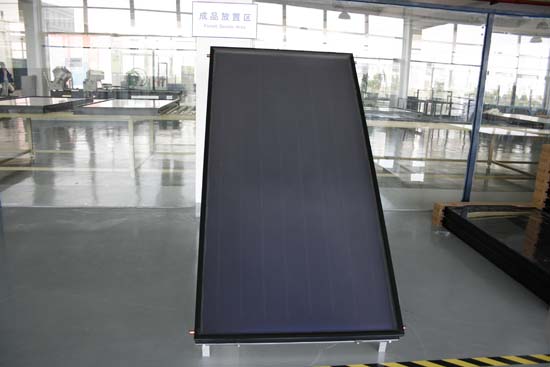
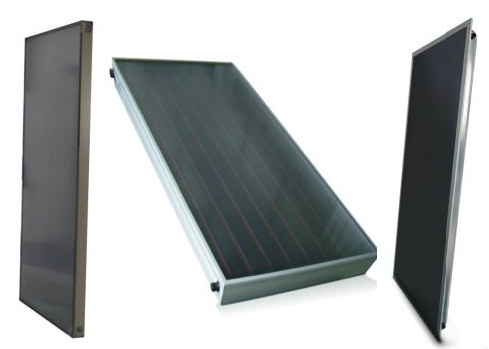
Sourcing commercial-grade solar collectors requires balancing thermal efficiency with long-term weather resistance. Whether you are procuring flat-plate panels for residential water heating or evacuated tube arrays for industrial thermal processes, the core challenge remains the same: ensuring consistent absorber coating quality, reliable pressure ratings, and structural integrity across high-volume production runs.
Core Specifications for Bulk Procurement
When negotiating with manufacturers, specifying the right materials and performance metrics is critical. A collector's efficiency degrades rapidly if the absorber coating flakes or if insulation fails under stagnation conditions.
| Specification | Flat Plate Collectors | Evacuated Tube Collectors |
|---|---|---|
| Primary Application | Warm climates, domestic hot water | Cold climates, industrial process heat |
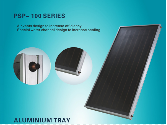
| Absorber Coating | Highly selective TiNOx or Black Chrome | Al-N/Al multi-layer sputtering |
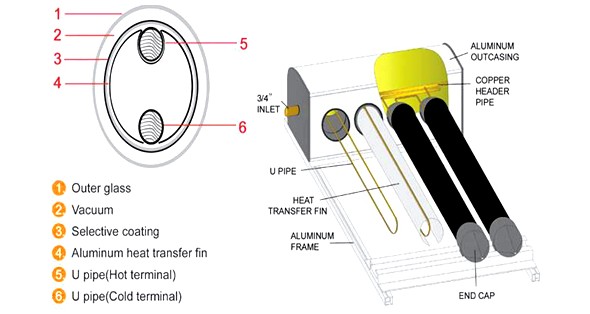
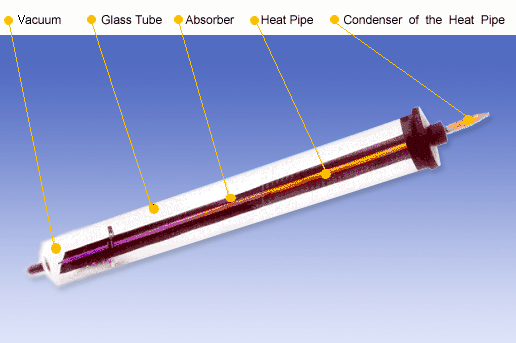
| Insulation Material | High-density rock wool or polyurethane | High vacuum (pressure under 5x10^-3 Pa) |
| Stagnation Temperature | Up to 200°C | Over 250°C |
Absorber Coatings and Heat Transfer
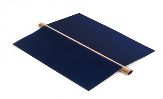
The absorber coating dictates the collector's absorption rate (ideally over 94%) and emission rate (under 6%). In flat plate collectors, specify ultrasonic welding or laser welding for the bond between the copper/aluminum fins and the riser tubes. Poor welding reduces the contact area, severely bottlenecking heat transfer and lowering the overall energy yield.
Manufacturing Quality & Factory Floor Realities
The lifespan of a solar collector is determined by the precision of its assembly. Inconsistent manufacturing processes lead to micro-leaks, vacuum degradation, and moisture ingress.
When evaluating a new supplier, verifying their production line automation is essential. Relying on manual welding for flat plate absorbers or manual glass-blowing for evacuated tubes introduces unacceptable variance. Conducting thorough Factory Audits ensures the supplier possesses the automated ultrasonic welding machinery and vacuum pumping stations required for export-grade quality.
Critical Factory Floor Quality Checks
- Verify automated ultrasonic or laser welding equipment for absorber fins.
- Check vacuum pumping duration and getter flashing processes for evacuated tubes.
- Inspect frame sealing processes (EPDM gaskets or silicone) for UV resistance.
- Confirm hydrostatic pressure testing is performed on 100% of manifolds and risers.
- Review insulation injection processes to ensure no voids in polyurethane foam.
Need reliable solar thermal manufacturers? We vet factories for automated production capabilities and strict quality management systems.
Talk to our teamCertifications and Market Compliance
Solar collectors must meet strict regional standards to qualify for government subsidies and ensure safe operation. Importing non-compliant units can result in customs seizures or rejected installations.
- Solar Keymark (Europe): The gold standard for the EU, requiring rigorous thermal performance and durability testing (EN 12975 / EN ISO 9806).
- SRCC OG-100 (North America): Essential for the US and Canadian markets, verifying performance under standardized conditions.
- AS/NZS 2712 (Australia/New Zealand): Strict requirements for pressure, temperature, and hail resistance.
If your target market requires specific regulatory approvals, coordinating Compliance & Testing with accredited third-party labs during the prototyping phase is a mandatory step before mass production.
Pricing Drivers, MOQs, and Lead Times
Pricing for solar collectors fluctuates based on raw material costs (primarily copper, aluminum, and borosilicate glass) and the specific coating technologies used.
Because solar collectors are bulky and fragile, shipping empty space is costly. Orders are typically optimized by container load. Furthermore, hidden defects like micro-cracks in glass tubes or poorly sealed manifolds are impossible to fix once shipped. Implementing strict Quality Control & Inspection prior to container loading—including visual checks, pressure tests, and packaging verification—is the only way to protect your investment.
Optimize your solar collector supply chain with our end-to-end procurement, inspection, and logistics services.
Get a free consultationFrequently Asked Questions
Procuring solar collectors at scale requires a deep understanding of thermal dynamics, raw material markets, and factory floor realities. Success depends not just on negotiating a favorable unit price, but on verifying that the factory's production methods and quality control protocols will deliver reliable performance for decades on the roof.
Get Sourcing Help for Solar Collectors
Tell us your requirements and our experts will connect you with verified manufacturers.