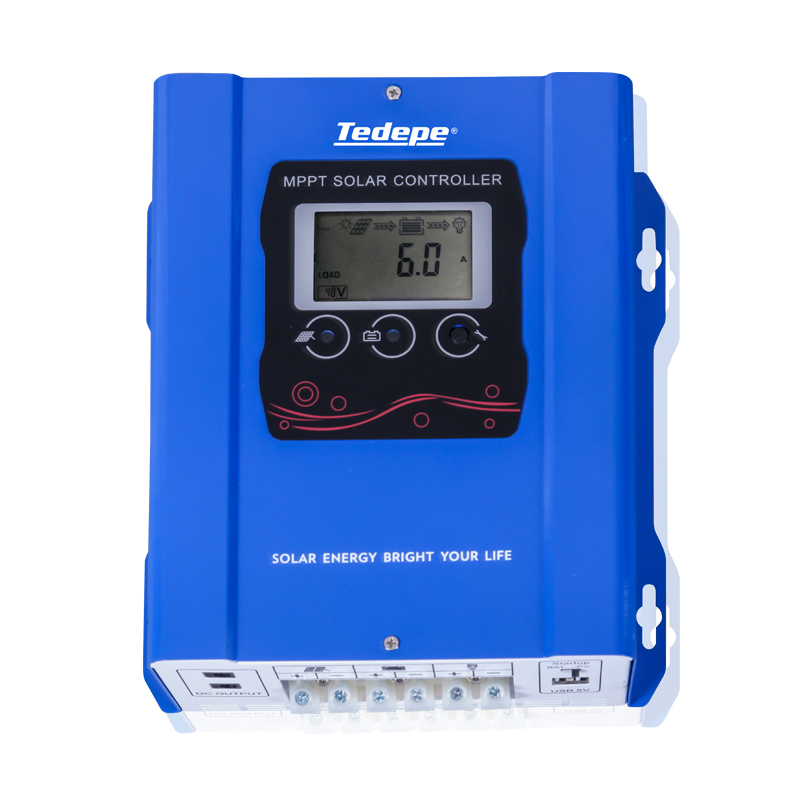
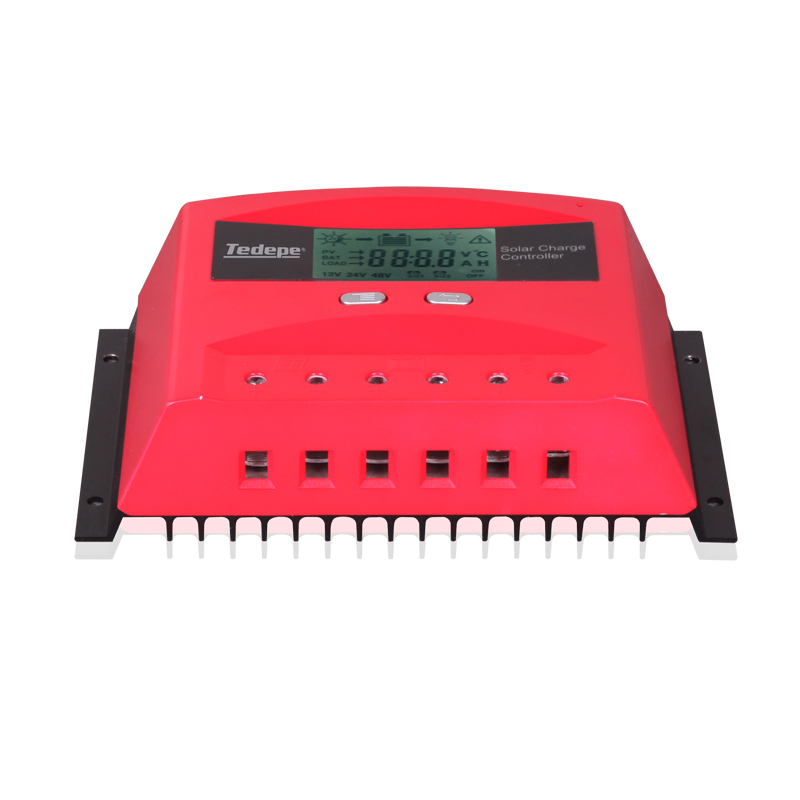
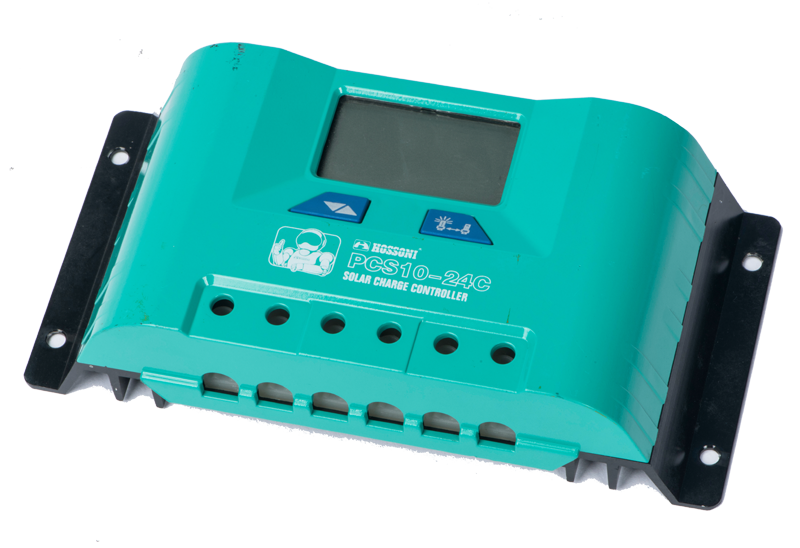
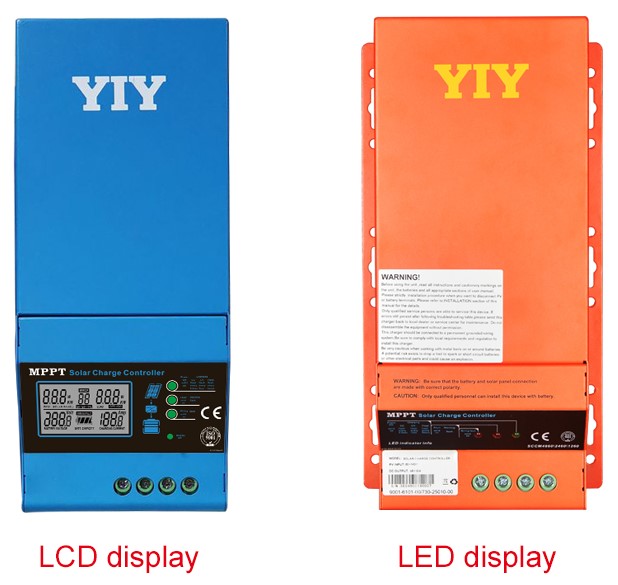
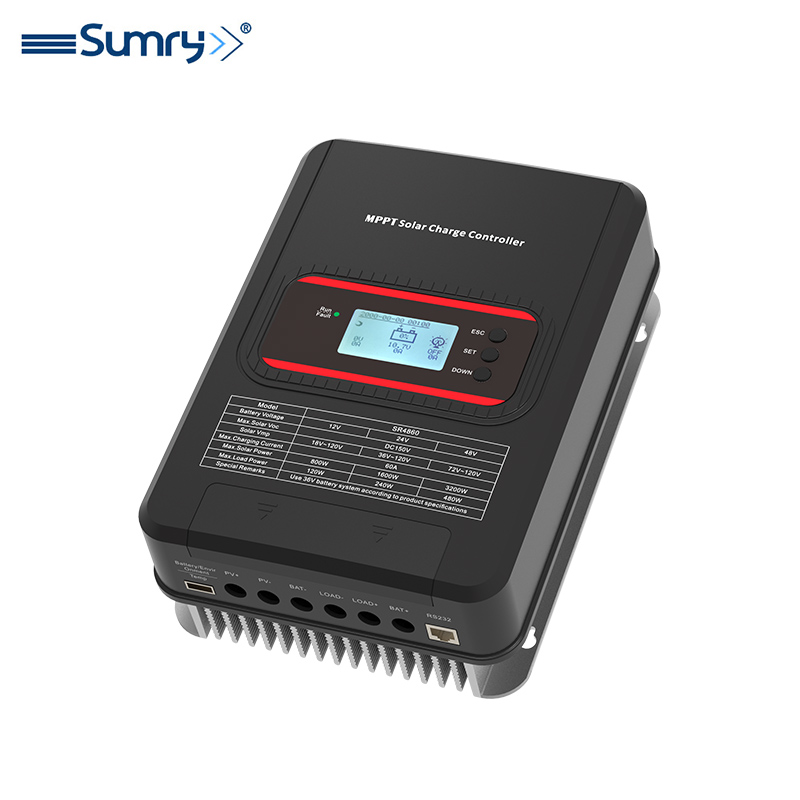
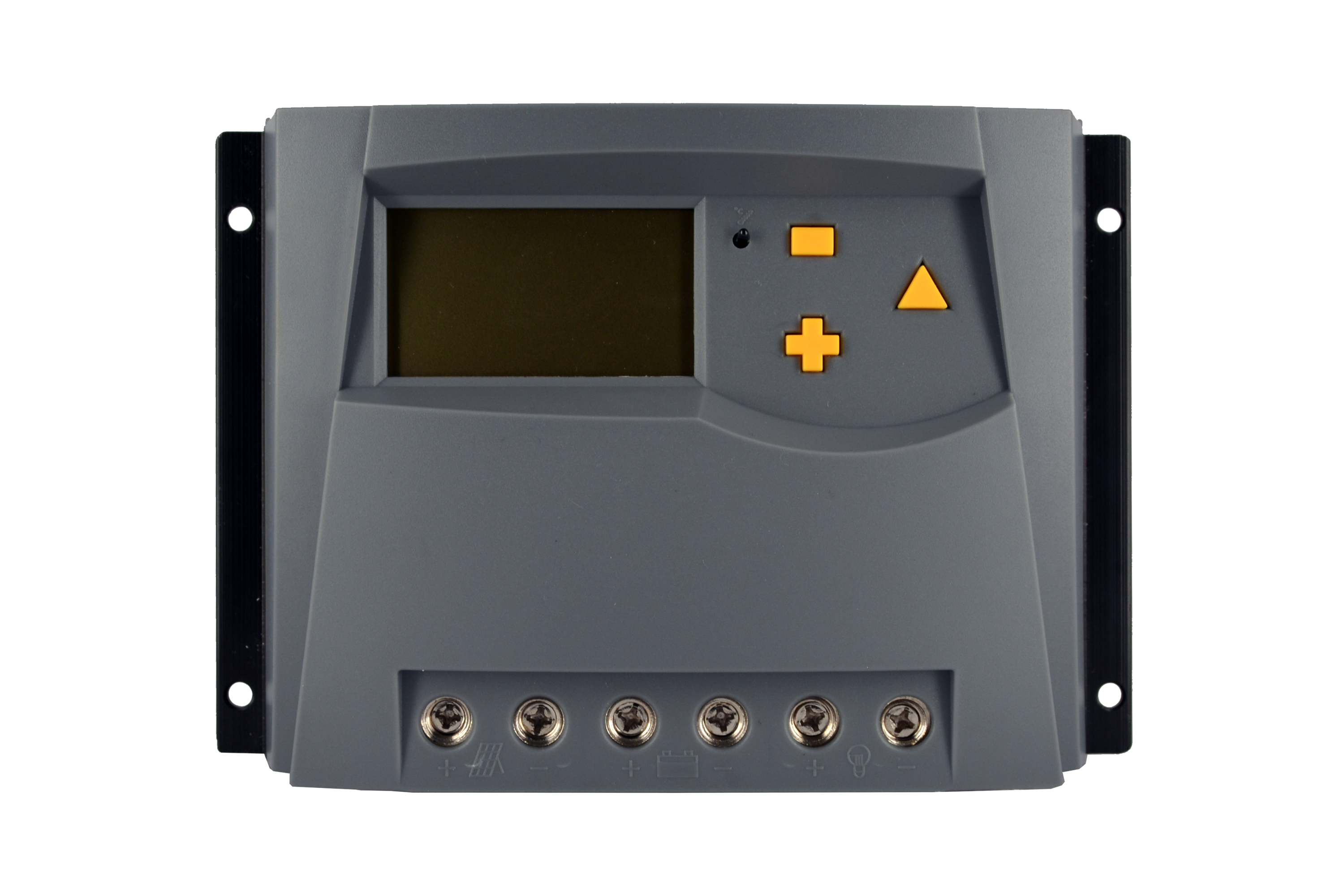
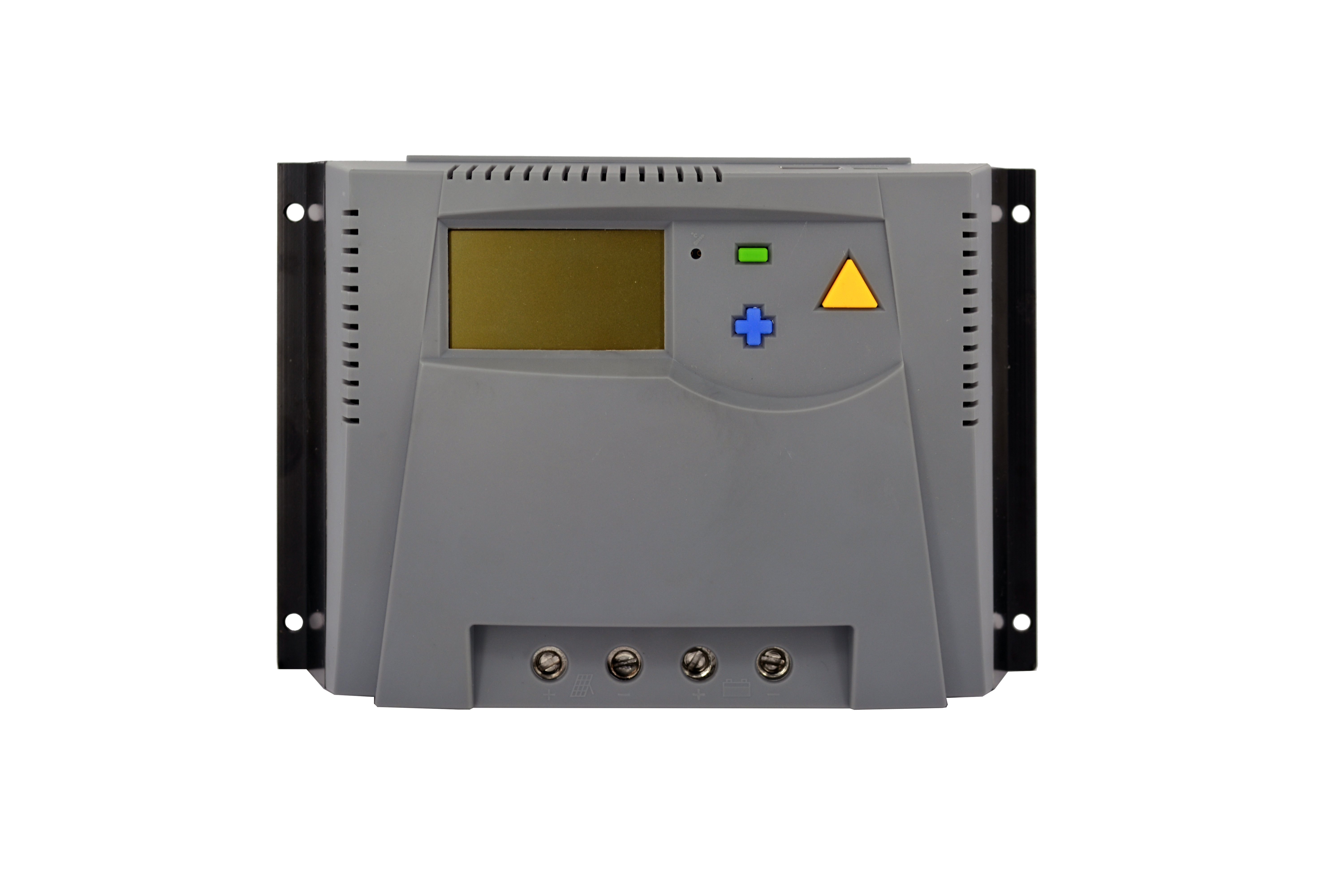
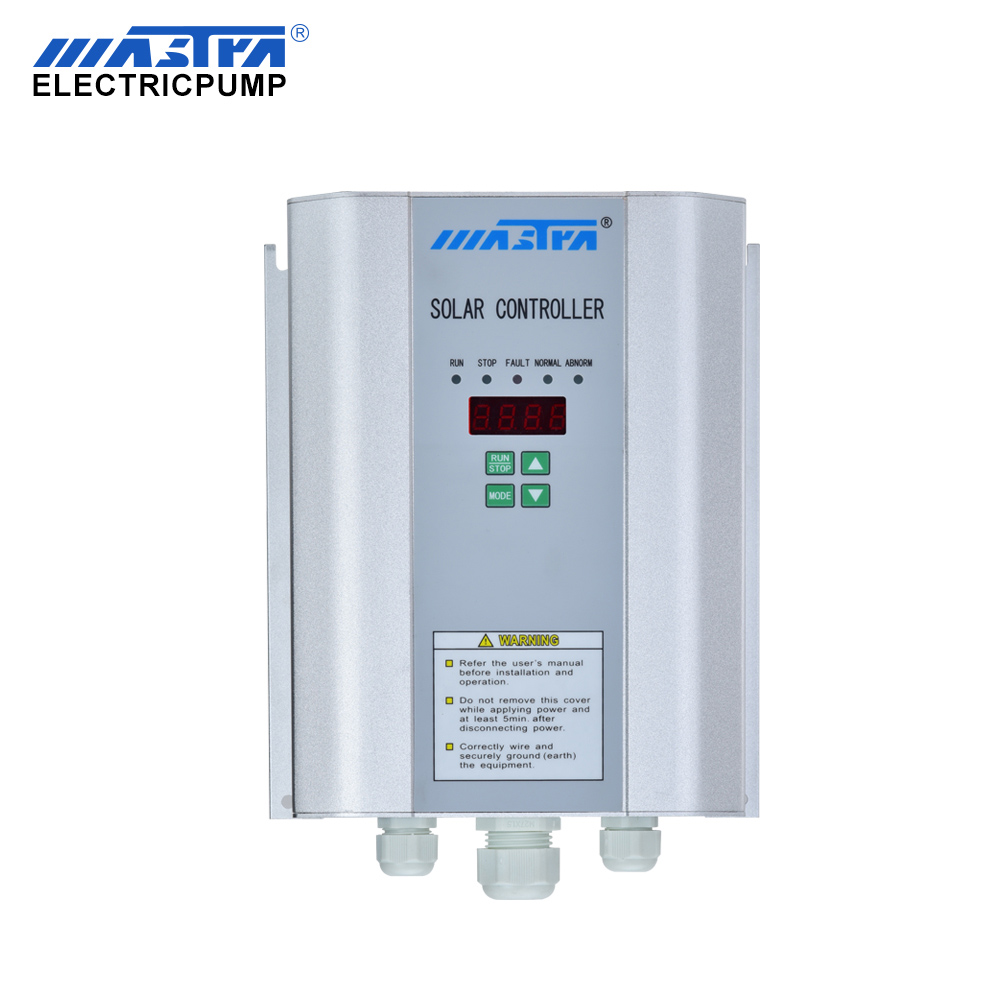
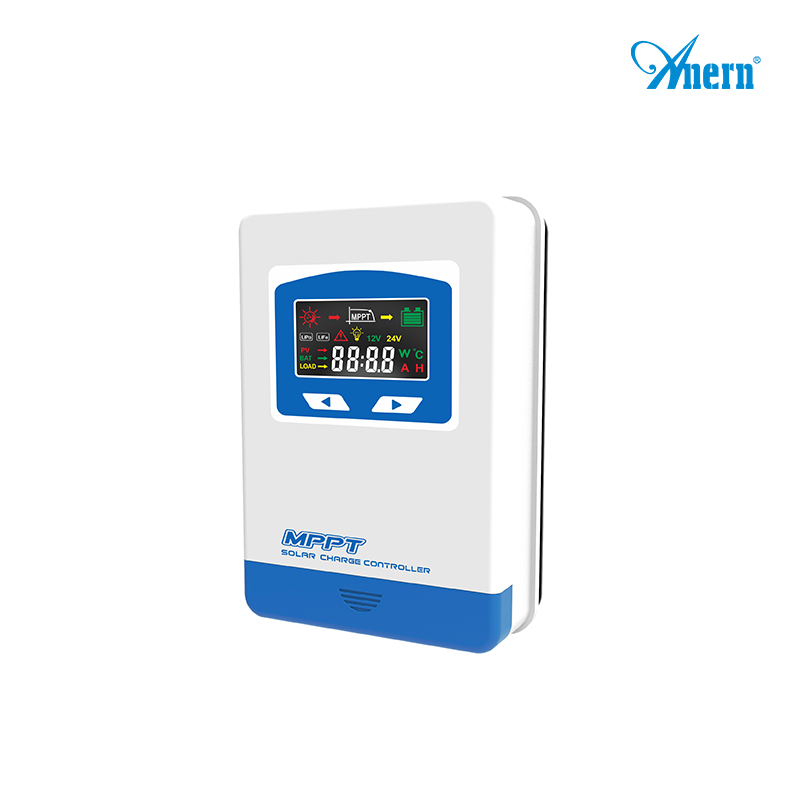
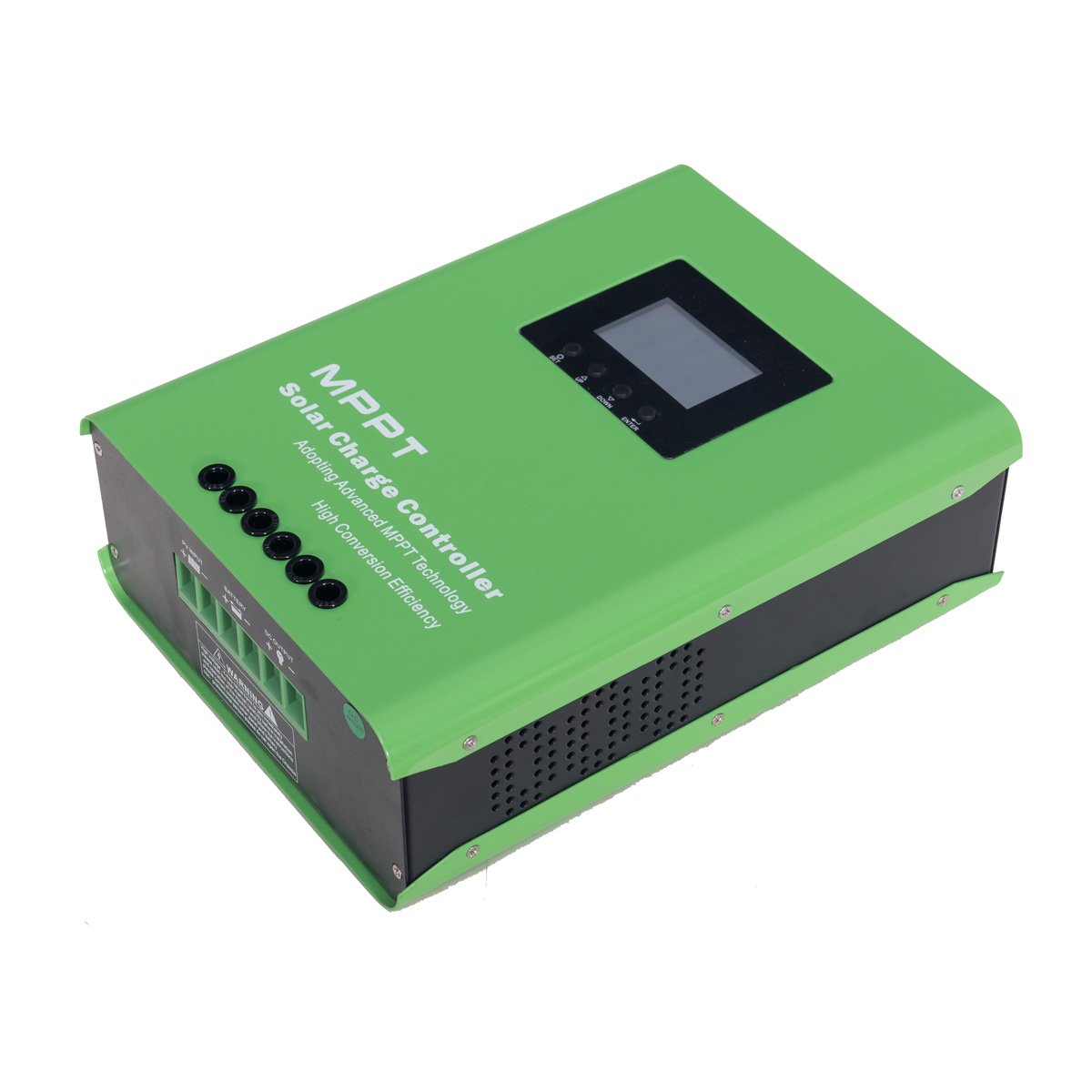
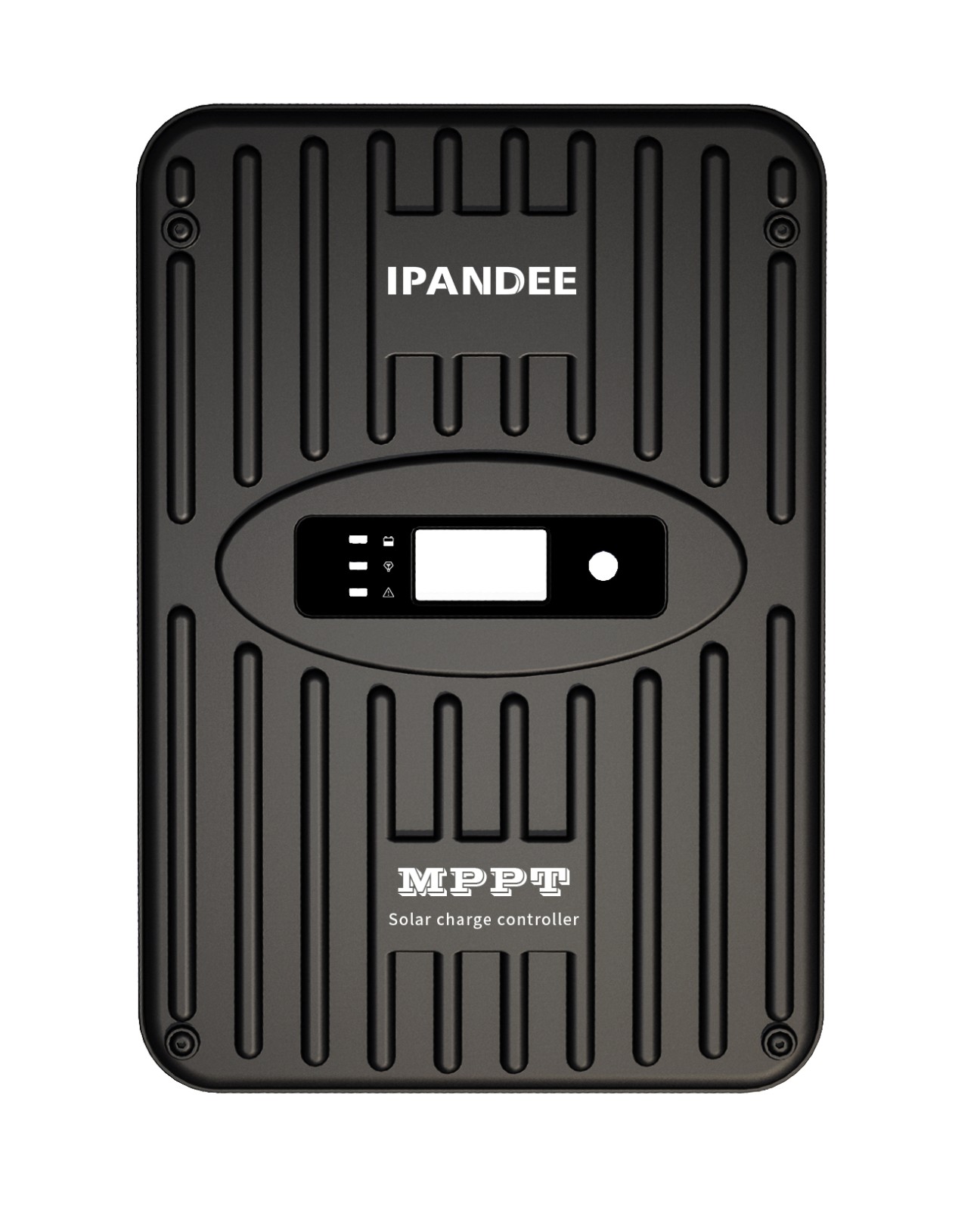
Solar Charge Controllers
Source wholesale Solar Charge Controllers directly from vetted manufacturers and suppliers. Designed for importers, renewable energy distributors, and brands seeking reliable OEM and private-label production, our network delivers high-efficiency controllers built to strict international compliance standards.
Sourcing solar charge controllers at scale requires navigating a fragmented manufacturing landscape where the gap between stated specifications and actual performance can be vast. The primary challenge isn't just finding a factory that can assemble printed circuit boards; it's securing a partner with rigorous component selection, precise firmware engineering, and uncompromising thermal management.
When evaluating potential suppliers, buyers must look past top-line wattage ratings and scrutinize the underlying architecture that dictates long-term reliability in harsh off-grid environments.
Core Architectures and Component Selection
The market is strictly divided between Pulse Width Modulation (PWM) and Maximum Power Point Tracking (MPPT) technologies. While PWM remains viable for low-cost, small-scale applications, MPPT dominates professional and commercial installations due to its superior energy harvesting.
| Architecture | Conversion Efficiency | Ideal Application | Cost Profile |
|---|---|---|---|
| PWM | Typically 70 to 80 percent | Small off-grid, matched voltage arrays | Low |
| MPPT | Up to 99 percent | Large arrays, varying weather, mismatched voltages | Moderate to High |
The true differentiator between a tier-one manufacturer and a low-end assembler lies in the Bill of Materials (BOM). Firmware algorithms handle the MPPT tracking, but the hardware must survive continuous high-current switching and heat generation.
Critical BOM Components to Verify
- MOSFETs: Ensure the supplier uses reputable brands (e.g., Infineon, IR) with high thermal thresholds.
- Capacitors: Specify high-temperature, long-life electrolytic capacitors (rated for 105 degrees Celsius or higher) to prevent premature failure.
- Microcontroller Unit (MCU): The processing speed of the MCU dictates the MPPT tracking speed during rapid weather changes.
- Thermal Potting: For outdoor or marine-rated controllers, verify the use of high-grade epoxy potting for environmental sealing and heat dissipation.
Struggling to verify supplier BOMs? Let our technical sourcing experts audit component quality on your behalf.
Talk to our teamManufacturing and Quality Control Standards
A reliable solar charge controller is the product of a tightly controlled manufacturing environment. Surface Mount Technology (SMT) lines must be calibrated for heavy copper PCBs, which are necessary for handling high currents without excessive voltage drop.
When conducting Factory Audits, pay close attention to the supplier's testing infrastructure. A manufacturer claiming high reliability must have dedicated burn-in rooms. Standard quality control protocols should mandate that every unit undergoes a 100 percent full-load burn-in test at elevated temperatures (typically 40 to 50 degrees Celsius) for at least 4 to 8 hours.
Furthermore, if you are utilizing OEM/ODM Services to develop a custom casing or proprietary display interface, ensure the factory has robust in-line inspection processes to catch aesthetic and assembly defects before the final potting or sealing stages. Comprehensive Quality Control & Inspection prior to shipment is non-negotiable to verify that firmware versions match your specifications and that all communication ports (RS485, CAN bus) function correctly.
Sourcing Dynamics: MOQs, Lead Times, and Pricing
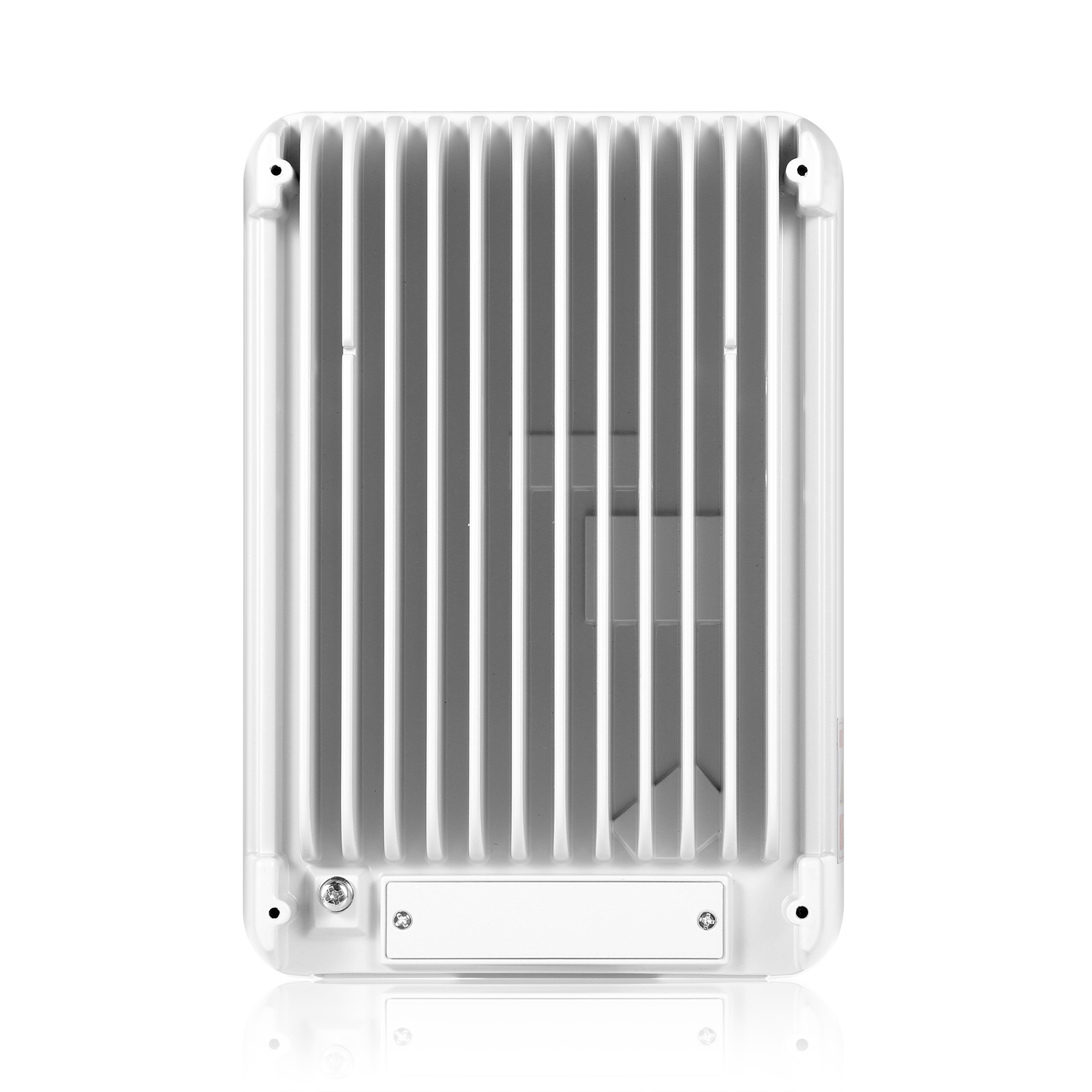
Pricing for solar charge controllers is highly sensitive to the global cost of copper, aluminum (for heat sinks), and semiconductor availability.
When negotiating pricing, be wary of quotes that fall significantly below the market average. These often indicate compromised heat sink mass, counterfeit MOSFETs, or stripped-down firmware that mimics MPPT but operates closer to PWM efficiency.
Need to lock in reliable pricing and production schedules? We manage the end-to-end negotiation and fulfillment process.
Get a free consultationFrequently Asked Questions
Procuring solar charge controllers at volume is an exercise in risk management and technical verification. Success depends on partnering with manufacturers who treat thermal management and firmware stability as engineering imperatives, rather than areas for cost-cutting. If you need to streamline your procurement and ensure rigorous quality standards are met at the factory level, our team is ready to assist.
Get Sourcing Help for Solar Charge Controllers
Tell us your requirements and our experts will connect you with verified manufacturers.