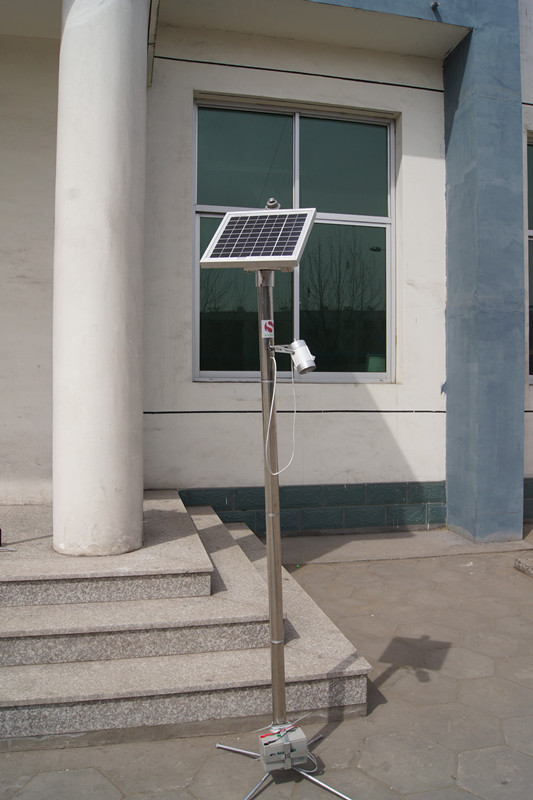
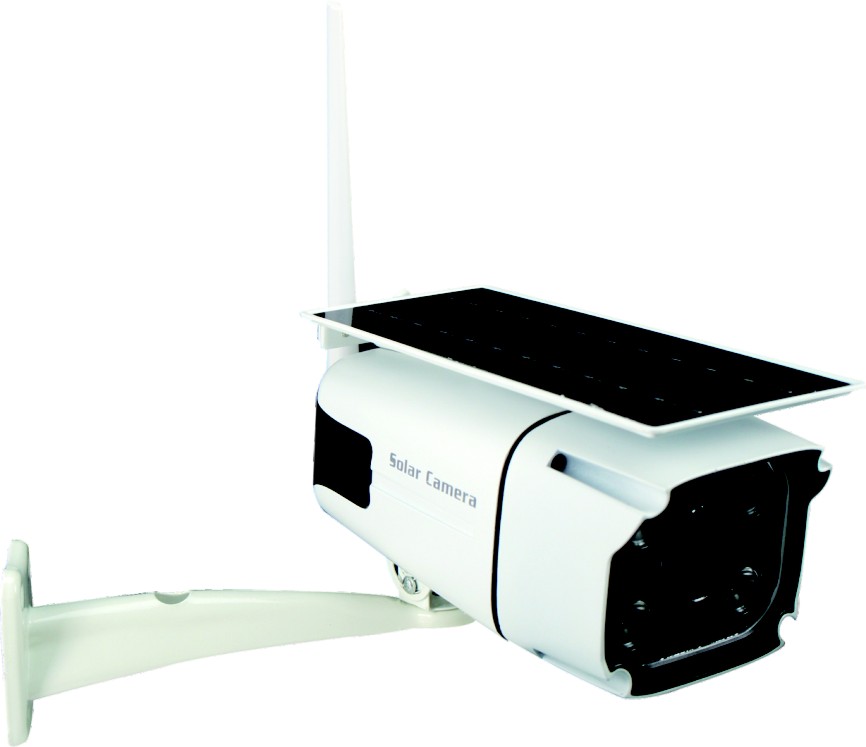
Solar CCTV Systems
Source commercial-grade solar CCTV systems directly from vetted manufacturers and wholesale suppliers. Designed for importers, distributors, and brands seeking reliable OEM and private-label production, our network delivers high-performance off-grid security solutions built for demanding environments.
Sourcing off-grid security solutions requires balancing power draw, solar generation, and battery storage. When purchasing solar CCTV systems in bulk, the primary challenge is navigating a supply chain where component mismatch and exaggerated battery capacities are rampant. A successful procurement strategy relies on strict technical specifications and rigorous factory-level verification.
Specifying the Core Components
A solar CCTV system is only as reliable as its weakest component. Buyers must dictate exact specifications rather than relying on standard factory configurations, which are often optimized for cost rather than continuous operation in low-light conditions.
Critical Specifications to Define
- Camera Power Draw: Specify maximum wattage during active PTZ movement and IR night vision operation.
- Solar Panel Yield: Require monocrystalline panels with a stated conversion efficiency of 20 percent or higher.
- Battery Capacity (Wh): Define capacity in Watt-hours, not just Amp-hours, to account for voltage differences.
- BMS (Battery Management System): Demand overcharge, deep discharge, and thermal runaway protection.
- Connectivity: Specify required 4G/LTE bands for the target deployment region (e.g., B2/B4 for North America, B1/B3 for Europe).
Battery Chemistry: The Reliability Bottleneck
The battery dictates the lifespan and temperature tolerance of the entire system. Most Chinese manufacturers offer two primary chemistries. Specifying the right one is critical for your target market's climate.
| Specification | LiFePO4 (Lithium Iron Phosphate) | Ternary Lithium (18650/21700) |
|---|---|---|
| Cycle Life | 2000 to 3000 cycles | 500 to 800 cycles |
| Thermal Stability | Excellent (Safe up to 60°C) | Moderate (Requires strict BMS) |
| Cold Weather Performance | Capacity drops significantly below 0°C | Better retention in freezing climates |
| Cost Profile | Higher upfront cost | Lower upfront cost |
Exaggerated Battery Specs
It is highly common for low-tier suppliers to overstate battery capacity by up to 40 percent. Always require factory testing reports and verify cell weight and dimensions during pre-shipment inspections.
Struggling to verify supplier battery specifications? We can audit factories and validate technical claims before you place a deposit.
Talk to our teamManufacturing Quality and Defect Prevention
Quality is won or lost on the factory floor, particularly during the assembly of the solar bracket, camera housing, and battery enclosure. If you are leveraging OEM/ODM Services to develop a custom housing or integrate proprietary firmware, strict oversight is non-negotiable.
IP Rating Verification
Enclosures must be tested for IP66 or IP67 compliance. Defective silicone gaskets or poorly aligned housing molds lead to water ingress, the leading cause of field failure.
BMS Stress Testing
The Battery Management System must be tested for voltage cutoff accuracy. A failed BMS will permanently destroy a lithium battery pack after a single deep discharge.
Firmware and Module Integration
4G/LTE modules and camera firmware must be flashed and tested for network stability and motion-detection accuracy before final assembly.
Aging Tests
Fully assembled units should undergo a minimum 48-hour burn-in test to identify early component failures in the IR LEDs or PTZ motors.
Implementing robust Quality Control & Inspection protocols ensures these steps are actually performed, rather than just promised on a proforma invoice.
Typical MOQs, Pricing, and Lead Times
Pricing for solar CCTV systems is highly volatile and directly tied to lithium commodity prices and the chosen camera chipset (e.g., Sony STARVIS sensors command a premium).
Volume buyers should focus negotiations on component transparency rather than bottom-line price. A supplier offering a price 20 percent below market average is almost certainly substituting recycled lithium cells or downgrading the solar panel from monocrystalline to polycrystalline. Conducting Factory Audits is the most effective way to confirm a supplier's assembly capabilities and component supply chain.
Need to secure reliable production lines and negotiate transparent component pricing? Let our sourcing experts manage the process.
Get a free consultationBuyer FAQ
Securing a reliable supply of solar CCTV systems requires looking past the spec sheet and verifying the factory's engineering competence and quality control discipline. Partnering with on-the-ground experts ensures your off-grid security products perform precisely as engineered.
Get Sourcing Help for Solar CCTV Systems
Tell us your requirements and our experts will connect you with verified manufacturers.