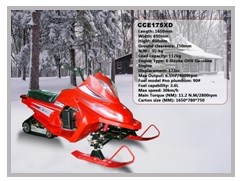
Snowmobiling
Source high-performance snowmobiling equipment, aftermarket parts, and technical apparel from vetted suppliers and manufacturers. Designed for importers, wholesalers, and brands seeking reliable OEM and private-label production, our catalog connects you with factories capable of delivering winter-ready gear in bulk.
Sourcing snowmobiling equipment and aftermarket parts requires strict adherence to cold-weather performance standards. Failures in sub-zero environments are not just inconvenient; they present severe safety hazards and liability risks. Whether you are procuring technical apparel, replacement drive belts, or custom-molded plastic accessories, success depends on identifying manufacturers who understand cold-temperature material science and maintain rigorous testing protocols.
Engineering for Sub-Zero Performance
The primary challenge in manufacturing snowmobile gear is material degradation at low temperatures. Standard polymers and textiles that perform well in temperate climates become brittle, rigid, or prone to shattering when exposed to extreme cold.
When specifying materials for snowmobiling products, pay close attention to the following:
- Plastics and Polymers: Avoid standard PVC for any flexible components, as it will crack. Specify Thermoplastic Polyurethane (TPU) or specialized cold-weather TPE blends rated for flexibility down to -40 degrees Celsius.
- Drive Belts and Rubber Parts: High-stress components like CVT drive belts must utilize Aramid (Kevlar) tensile cords and specialized rubber compounds that resist glazing and delamination under high heat and rapid cooling cycles.
- Technical Apparel: Outerwear requires high-denier nylon (such as Cordura) for abrasion resistance against branches and ice. Waterproofing should be specified using a hydrostatic head rating (minimum 10,000mm, optimally 20,000mm) with fully taped seams.
Need help verifying a factory's cold-weather testing capabilities? Ensure your snowmobiling gear meets strict sub-zero performance standards.
Talk to our teamManufacturing and Quality Control Checkpoints
Not all factories producing motorcycle or ATV gear have the infrastructure to produce snowmobile equipment. Vetting a supplier means verifying their in-house testing equipment, specifically environmental chambers capable of sustained sub-zero temperatures.
If you are developing proprietary aftermarket parts, utilizing professional OEM/ODM Services ensures your custom molds account for the thermal contraction rates of specific plastics.
During production, implement a strict Quality Control & Inspection protocol focusing on these key areas:
Critical Inspection Points for Snowmobile Gear
- Cold-crack testing verification for all flexible plastics and vinyls.
- Hydrostatic pressure testing on randomly sampled apparel seams.
- Tensile strength verification for tow straps and tie-downs.
- Electrical continuity and thermal limit testing for heated grips and apparel.
- Dimensional tolerance checks on aftermarket hard parts to ensure OEM fitment.
Compliance and Safety Standards
Snowmobiling gear often crosses into regulated safety territory. Helmets must meet DOT (US) or ECE 22.06 (Europe) standards, requiring specialized impact testing at low temperatures. Furthermore, the rising popularity of 12V and battery-powered heated gear (gloves, vests, visor heaters) requires strict adherence to CE, RoHS, and UL standards to prevent electrical shorts in wet environments.
Working with a partner who understands Compliance & Testing ensures your products clear customs and meet local market regulations without costly delays.
MOQs, Lead Times, and Pricing Drivers
Production timelines for winter sports gear are highly seasonal. Factories peak between April and August to meet autumn delivery windows. Booking production outside this window can sometimes yield better pricing but requires careful inventory planning.
Tooling costs for custom plastics (like windshields or body panels) will significantly impact your initial investment. Always request a sample run using the final production material—not a 3D printed prototype—to verify cold-weather durability before committing to a bulk order.
Streamline your supply chain and negotiate better terms for bulk snowmobiling equipment.
Get a free consultationFrequently Asked Questions
Successfully importing snowmobiling equipment requires balancing complex material requirements with seasonal production schedules. By establishing clear technical specifications and enforcing rigorous quality control at the factory level, you can build a resilient supply chain that delivers reliable, high-margin winter gear.
Get Sourcing Help for Snowmobiling
Tell us your requirements and our experts will connect you with verified manufacturers.