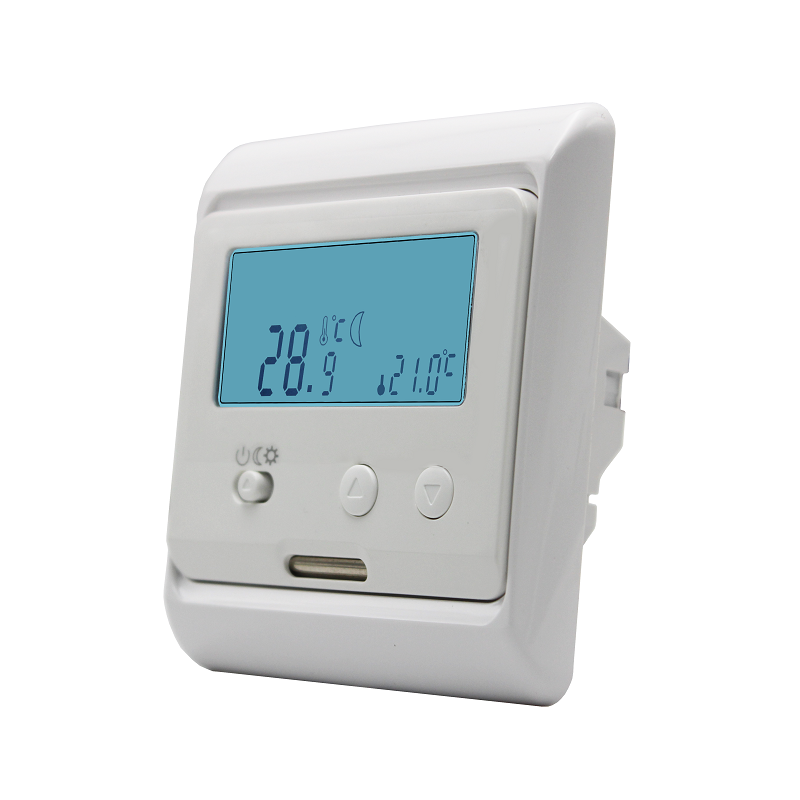
Smart Water Heaters
Source Smart Water Heaters in bulk from vetted manufacturers and wholesale suppliers. Designed for importers, distributors, and appliance brands looking for reliable OEM and private-label production. Secure competitive factory-direct pricing on high-efficiency, app-controlled water heating systems built to international safety standards.
Sourcing smart water heaters requires balancing two entirely different engineering disciplines: high-power fluid heating and low-voltage IoT connectivity. A failure in the former is a critical safety hazard, while a failure in the latter turns a premium smart appliance into a standard, overpriced heater. When buying in bulk, the challenge is finding a factory that excels at both heavy appliance manufacturing and stable smart-home integration.
Core Specifications and Component Selection
The reliability of a smart water heater depends heavily on the bill of materials (BOM) specified during the negotiation phase. Off-the-shelf models may use cost-reduced components that fail under hard water conditions or feature unreliable Wi-Fi modules that drop connections.
| Component | Standard Specification | Premium/Export Specification |
|---|---|---|
| Heating Element | Standard Copper | Incoloy 800 or 840 (High corrosion resistance) |
| Inner Tank Material | Basic Enamel-Coated Steel | Titanium-Glass Lined or 316L Stainless Steel |
| IoT/Wi-Fi Module | Generic White-Label PCB | Tuya-Certified or BroadLink Module |
| Insulation | Standard Polyurethane (Thin) | High-Density CFC-Free Polyurethane (Thick) |
When specifying your order, pay close attention to the PCB potting. Because water heaters operate in high-humidity environments (bathrooms, basements), the smart control boards must be fully sealed against moisture. Unpotted or poorly coated PCBs are the leading cause of premature smart feature failure.
Manufacturing Quality and Factory Validation
Not all home appliance manufacturers are equipped to produce smart water heaters. Many traditional factories simply outsource the "smart" components and slap a Wi-Fi module onto an older, analog design. This often leads to poor firmware integration and clunky user experiences.
Need to verify a factory's true capabilities? We can assess their production lines and IoT integration experience before you place an order.
Talk to our teamTo ensure you are partnering with a capable manufacturer, look for specific production capabilities. Conducting thorough Factory Audits is essential to verify these processes on the ground:
Critical Factory Capabilities to Verify
- Automated plasma or laser welding for inner tanks to prevent seam leaks.
- In-house enamel coating lines with strict thickness control.
- Dedicated PCB testing stations simulating voltage fluctuations and signal drops.
- 100% inline pressure testing (typically up to 0.8 MPa or higher).
- Aging rooms where finished units are run at maximum temperature to stress-test the smart controls.
Navigating Certifications
Compliance is non-negotiable for water heaters. You must ensure the factory holds valid, verifiable test reports for your target market. This includes electrical safety (UL/ETL for North America, CE/LVD for Europe), electromagnetic compatibility for the Wi-Fi modules (FCC, CE-RED), and often local water safety certifications (like WRAS in the UK). Managing Compliance & Testing early in the sourcing process prevents costly customs seizures or product liability issues later.
Customization and OEM/ODM Integration
For brands looking to differentiate, custom OEM/ODM Services offer the ability to tailor the hardware and software. Most Chinese manufacturers utilize the Tuya IoT ecosystem. This allows you to easily white-label the companion app, providing a seamless experience for your end-users without investing millions in proprietary app development.
If you require custom firmware, unique LED touch-panel designs, or integration with specific smart home protocols (like Matter, Zigbee, or proprietary brand ecosystems), expect higher MOQs and longer development timelines.
Pricing, MOQs, and Lead Times
Smart water heaters are capital-intensive products. Pricing fluctuates based on raw material costs (steel, copper) and the complexity of the smart module.
Because of the high unit cost and safety risks, rigorous Quality Control & Inspection is critical. Pre-shipment inspections should include functional tests of the app connectivity, high-pot (dielectric voltage-withstand) testing, and visual checks of the tank enamel and insulation foam injection.
Struggling to negotiate favorable MOQs or secure reliable quality control for your appliance orders? Let our sourcing experts manage the process.
Get a free consultationFrequently Asked Questions
Successfully sourcing smart water heaters means looking past the glossy touchscreens to evaluate the heavy engineering beneath. By specifying premium anti-corrosion materials, verifying strict inline pressure testing, and ensuring robust IoT integration, you can import a product that is both intelligent and exceptionally safe.
Get Sourcing Help for Smart Water Heaters
Tell us your requirements and our experts will connect you with verified manufacturers.