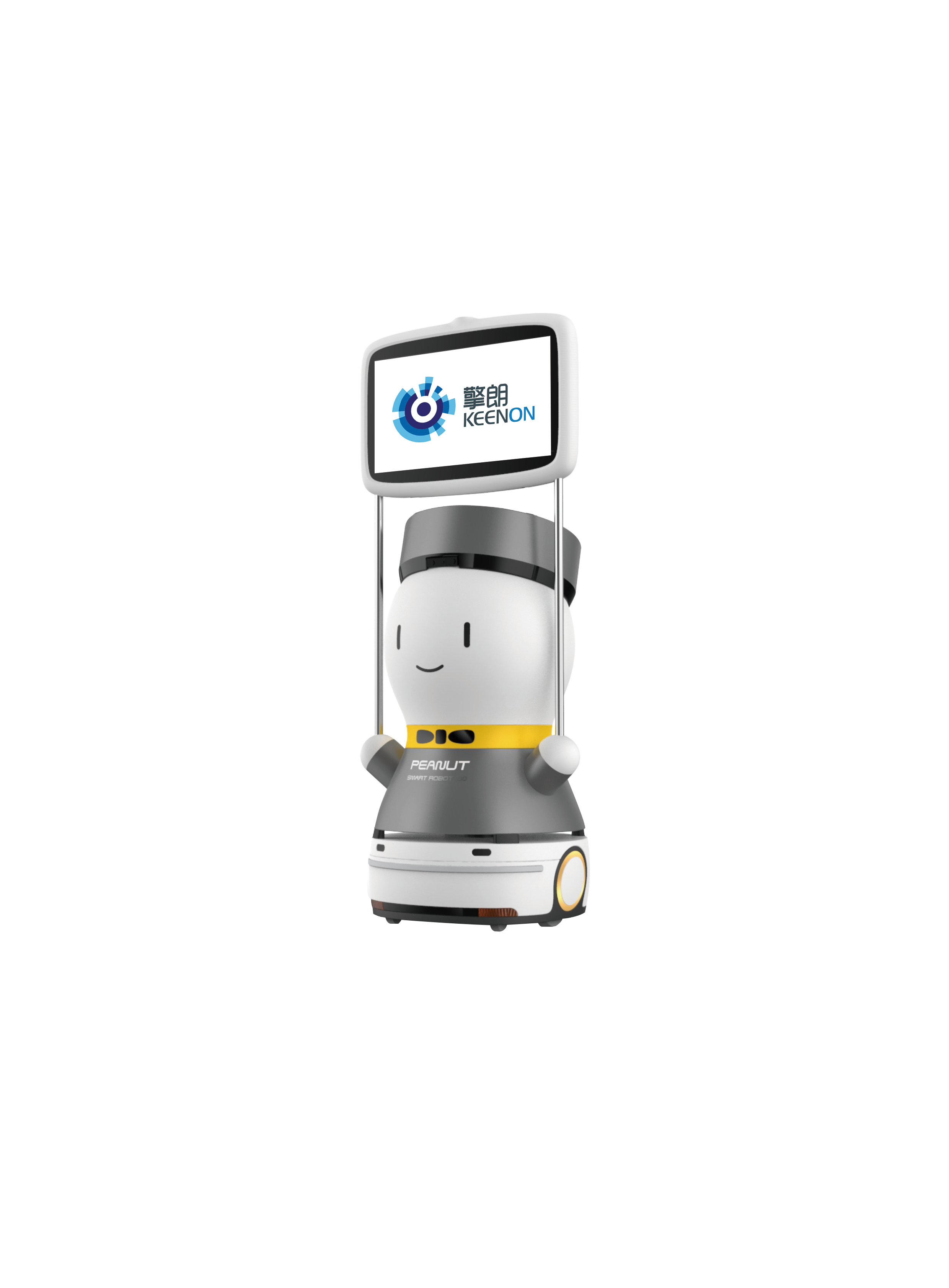
Smart Robots
Source high-performance Smart Robots from vetted manufacturers and wholesale suppliers across Asia. Designed for importers, distributors, and consumer electronics brands looking for reliable OEM and private-label production, our network delivers scalable manufacturing for advanced robotics at competitive bulk volumes.
Sourcing smart consumer robots requires navigating a complex integration of mechanical engineering, printed circuit board (PCB) assembly, and software development. Unlike static electronics, robots combine high-drain battery systems with continuous mechanical motion and sensor-driven logic. Securing a reliable supply chain means verifying not just the final assembly, but the quality of the underlying components—from the torque of the drive motors to the accuracy of the navigation sensors.
Core Hardware Specifications to Define
When negotiating with a factory, vague specifications lead to component substitution. To ensure consistent performance, you must dictate the exact parameters of the critical subsystems.
Sensor Arrays and Processing
The intelligence of a smart robot relies entirely on its sensor inputs and processing capability. Entry-level units rely on basic reactive sensors, while premium models require advanced spatial mapping.
| Subsystem | Standard / Entry-Level | Premium / Advanced |
|---|---|---|
| Navigation | Infrared (IR), ultrasonic, and physical bump sensors | LiDAR, VSLAM vision cameras, and ToF sensors |
| Processing (MCU/SoC) | Basic microcontrollers (e.g., ESP32 series) | High-performance AI SoCs (e.g., Rockchip, Qualcomm) |
| Drive Motors | Brushed DC motors (shorter lifespan, lower efficiency) | Brushless DC (BLDC) motors with precision encoders |
| Battery Chemistry | Standard 18650 Li-ion packs (basic BMS) | High-discharge Li-Po or 21700 cells with smart BMS |
Motor Durability and Gearboxes
The mechanical failure rate in smart robots is heavily tied to the drive system. Specify the use of POM (polyoxymethylene) or sintered metal gears in the reduction gearbox rather than cheap ABS plastic, which strips easily under load. For the motors themselves, BLDC (Brushless DC) motors are standard for premium units due to their longevity and low electrical noise, whereas brushed motors are acceptable only for budget-tier toys.
Struggling to lock down a reliable Bill of Materials (BOM) with overseas suppliers? Let us help you standardize your specifications and find factories capable of meeting them.
Speak to our sourcing teamManufacturing Risks and Quality Control
The assembly of smart robots introduces multiple points of potential failure. A poorly calibrated sensor or a cold solder joint on the motor controller board can render the entire unit defective.
Before committing to a production run, conducting comprehensive Factory Audits is essential to verify the manufacturer's SMT (Surface Mount Technology) lines, cleanroom conditions for sensor assembly, and overall testing infrastructure.
During production, strict Quality Control & Inspection protocols must be enforced. Key areas to monitor include:
Critical QC Checks for Smart Robots
- Battery Management System (BMS) overcharge and thermal cutoff testing
- Gearbox noise and vibration analysis (to detect misaligned or stripped gears)
- Sensor calibration verification (e.g., drop-sensor testing on edge surfaces)
- Continuous run-time testing under maximum load to verify thermal dissipation
- Firmware stability and companion-app connectivity stress tests
Customization: OEM and ODM Capabilities
Most buyers utilize OEM/ODM Services to bring smart robots to market. If you are white-labeling an existing ODM design, customization typically involves modifying the exterior plastics (colorways and textures), altering the voice prompt files, and reskinning the companion mobile app via the manufacturer's API/SDK.
For full OEM projects involving custom tooling, ensure the factory has an in-house tooling workshop or a tight relationship with a specialized mold maker. Complex robot chassis often require multi-cavity injection molds with tight tolerances to prevent dust ingress into the internal electronics.
Typical Pricing, MOQs, and Lead Times
Volume manufacturing metrics for smart robots vary widely based on the complexity of the unit and the level of customization required.
Battery Lead Times
High-capacity lithium battery packs often dictate the overall production schedule. If your supplier sources batteries from a secondary vendor, factor in an additional 10 to 15 days for cell procurement and pack assembly.
Need accurate pricing and lead-time estimates for your specific robot design? Connect with our team to analyze your project requirements.
Get a free consultationFrequently Asked Questions
Successfully importing smart robots at scale requires treating the product not just as a consumer gadget, but as a complex electromechanical system. By strictly defining your BOM, enforcing rigorous testing protocols, and ensuring regulatory compliance, you can mitigate the high defect risks inherent in robotics manufacturing. Merhein provides the on-the-ground engineering oversight and supply chain management necessary to execute these demanding production runs efficiently.
Get Sourcing Help for Smart Robots
Tell us your requirements and our experts will connect you with verified manufacturers.