Smart Locks
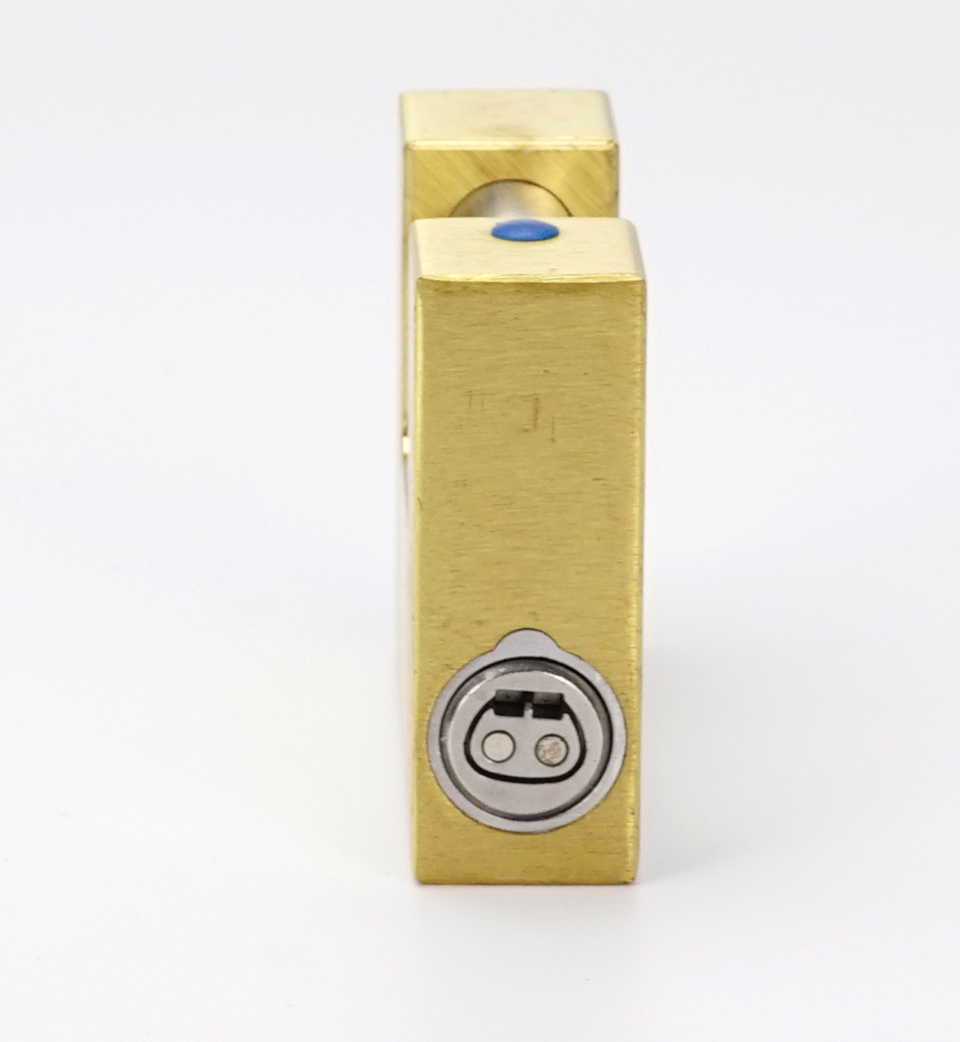
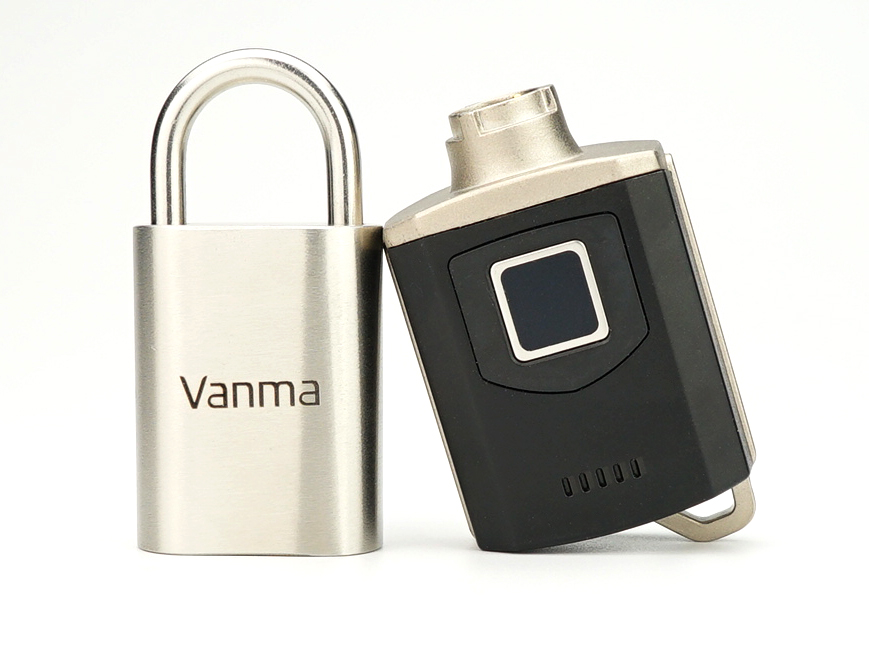
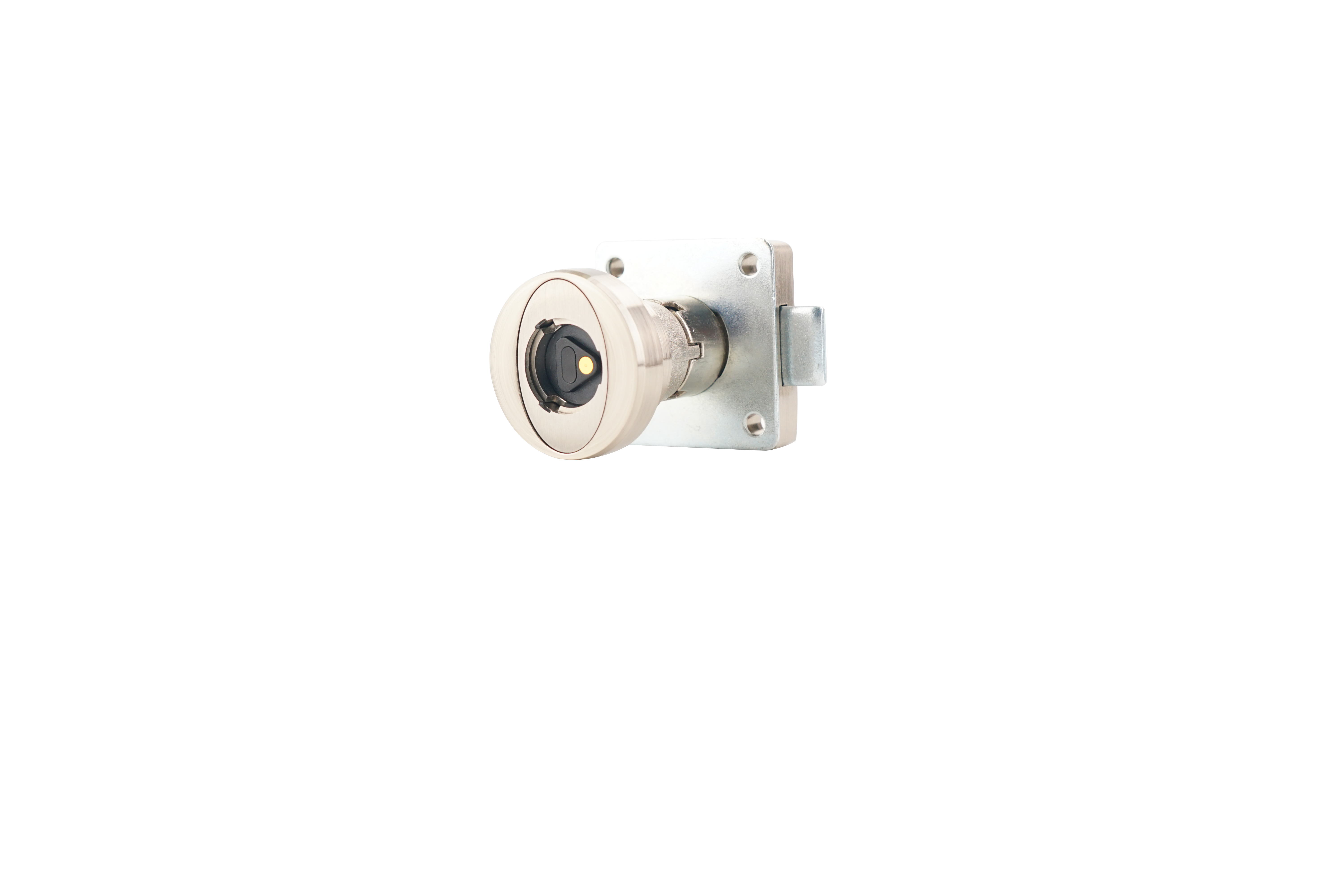
Source commercial-grade and residential smart locks directly from vetted manufacturers and wholesale suppliers. Built for importers, security distributors, and brands seeking reliable OEM and private-label production. Ensure strict compliance and consistent quality across your high-volume supply chain.
Sourcing smart locks requires bridging two entirely different manufacturing disciplines: heavy mechanical engineering (the mortise, clutch, and casing) and sensitive IoT electronics (PCBs, biometric sensors, and wireless modules). The primary sourcing challenge is finding a factory that doesn't just assemble off-the-shelf components, but actively controls the quality and integration of both systems to prevent catastrophic lockouts or security vulnerabilities.
Core Specifications for Bulk Buyers
When negotiating with suppliers, defining the precise mechanical and electronic specifications upfront prevents costly rework. A common mistake is focusing heavily on the app interface while neglecting the physical durability of the mortise lock body.
Mechanical Standards and Materials
The lock body material dictates both security and environmental resistance. Zinc alloy is standard for indoor or covered residential applications due to its cost-effectiveness and ease of casting. For high-traffic commercial or coastal applications, specify SUS304 (stainless steel) or aluminum alloy. You must also specify the mortise standard: ANSI (common in North America) or European profile, as this dictates the internal machining of the door and the factory's tooling requirements.
Connectivity and Protocol Selection
Your choice of wireless protocol drastically impacts battery life, backend architecture, and the target market.
| Protocol | Power Consumption | Primary Application |
|---|---|---|
| Wi-Fi (Direct) | High (requires frequent battery changes) | Residential / Standalone doors |
| Zigbee / Z-Wave | Ultra-Low | Commercial / Integrated Smart Home Hubs |
| Bluetooth (BLE) | Low | Hospitality / Proximity Access |
| NB-IoT | Medium | Remote infrastructure / Telecom |
Navigating IoT protocols, firmware integration, and regional mortise standards? Let us help you align your specs with the right manufacturer.
Talk to our teamManufacturing Vulnerabilities and Quality Control
Smart lock assembly lines are highly susceptible to hidden defects that only manifest after installation. Because these devices are exposed to extreme temperature variations and physical abuse, rigorous testing protocols are non-negotiable.
Conducting thorough Factory Audits before placing an order is critical to verify that the supplier has in-house testing equipment for both electronics and mechanical wear.
Critical QC Checkpoints for Smart Locks
- PCB Potting and Conformal Coating: Essential for preventing condensation damage in exterior locks.
- Motor Clutch Cycle Testing: The internal clutch must be tested for a minimum of 100,000 cycles to meet basic commercial standards.
- Salt Spray Testing: Verify exterior finishes (especially electroplated Zinc) resist corrosion, requiring at least 96 hours of salt spray resistance.
- Biometric False Rejection Rate (FRR): Fingerprint sensors must be calibrated to balance security (low False Acceptance) with user convenience.
- Extreme Temperature Chamber Testing: Batteries and LCD/OLED keypads must function from minus 20 to plus 60 degrees Celsius.
OEM/ODM Customization and Firmware
Most high-volume buyers require some level of customization. If you are white-labeling an existing design, factories typically rely on third-party IoT platforms (like Tuya) for the app and cloud backend. This is cost-effective but limits your control over the user experience and data routing.
For brands requiring proprietary apps or integration into existing property management software, you will need true OEM/ODM Services. This involves custom firmware development, API provisioning, and rigorous penetration testing. Ensure your supplier has a dedicated R&D team capable of handling OTA (Over-The-Air) update architecture safely.
Typical Pricing, MOQs, and Lead Times
Smart lock pricing is highly dependent on the biometric hardware, casing material, and the complexity of the mortise.
Keep in mind that developing custom tooling for a unique lock casing will push lead times out by an additional 30 to 45 days and require significant NRE (Non-Recurring Engineering) fees.
Need accurate FOB pricing, lead times, or custom tooling estimates for your smart lock project?
Get a free consultationFrequently Asked Questions
Successfully sourcing smart locks means looking past the sleek exterior and scrutinizing the factory's engineering rigor. A lock is only as good as its weakest internal component—whether that is an unsealed PCB or a fragile motor clutch. Partnering with a sourcing team that understands both mechanical hardware and IoT electronics ensures your products perform reliably in the field, protecting both your end-users and your brand reputation.
Get Sourcing Help for Smart Locks
Tell us your requirements and our experts will connect you with verified manufacturers.