Smart Home Heaters
Source Smart Home Heaters in bulk from vetted manufacturers and suppliers. Designed for importers, wholesalers, distributors, and brands seeking reliable OEM and private-label production, our network delivers high-quality, certified connected heating solutions ready for your target market.
Sourcing smart home heaters requires balancing high-amperage electrical safety with low-voltage IoT connectivity. When buying in bulk, the challenge isn't just finding a factory that can assemble a heating element; it is verifying that the supplier has rigorous quality control for thermal management and stable, secure firmware for smart home integration.
Engineering and Specifying Smart Heaters
When negotiating with manufacturers, your bill of materials (BOM) specifications will dictate both the unit cost and the product's lifespan. Focus on the core heating technology and the IoT module.
Heating Elements and Thermal Dynamics
The heating element defines the product's efficiency and application. Most smart space heaters utilize PTC (Positive Temperature Coefficient) ceramics because they are self-regulating and cool down quickly, making them ideal for automated environments.
| Technology | Best Application | Manufacturing Cost | Key Sourcing Consideration |
|---|---|---|---|
| PTC Ceramic | Compact space heating | Low to Medium | Verify aluminum fin density for heat transfer |
| Infrared / Quartz | Radiant spot heating | Medium | Requires robust shock-resistant packaging |
| Convection (Mica) | Whole-room silent heating | Medium to High | Panel thickness and thermostat accuracy |
IoT Modules and Ecosystem Integration
The "smart" in smart heaters usually comes from a standardized IoT module. The vast majority of Chinese manufacturers utilize the Tuya IoT ecosystem, integrating ESP8266 or ESP32 Wi-Fi/Bluetooth chips. If you are developing a proprietary app, you must specify whether you need a white-label Tuya integration or if you require custom firmware flashing during PCB assembly.
Navigating Tuya integration and firmware flashing on the factory floor? We can help you vet capable IoT heater manufacturers.
Talk to our teamManufacturing Quality and Safety Standards
Heaters are high-liability products. A failure in a smart heater doesn't just mean a dropped Wi-Fi connection; it can result in a fire. Relying on a factory's standard CE or UL mark is insufficient without verifying their assembly line practices.
When evaluating a factory, pay attention to how they handle the integration of high-voltage heating components with sensitive logic boards. Heat shielding and physical separation are critical. We strongly recommend implementing rigorous Quality Control & Inspection protocols focused on thermal safety.
Critical Safety Components to Verify
- Thermal Cut-off Fuses: Must be rated accurately for the specific wattage and physically touching the heat shield.
- Tip-Over Switches: Specify electronic gyroscopic sensors over cheap mechanical pendulums for smart units.
- Flame Retardant Plastics: Enclosures must use V-0 rated ABS or polycarbonate.
- PCB Coating: Conformal coating on the logic board to prevent short circuits from dust or moisture.
Entering Western markets requires strict adherence to safety standards. For the US, UL 1278 is standard for movable heaters, while the EU requires CE (LVD and EMC directives). Ensuring the factory's components genuinely pass these tests is where Compliance & Testing becomes a necessary step before mass production.
Customization: OEM and Private Label
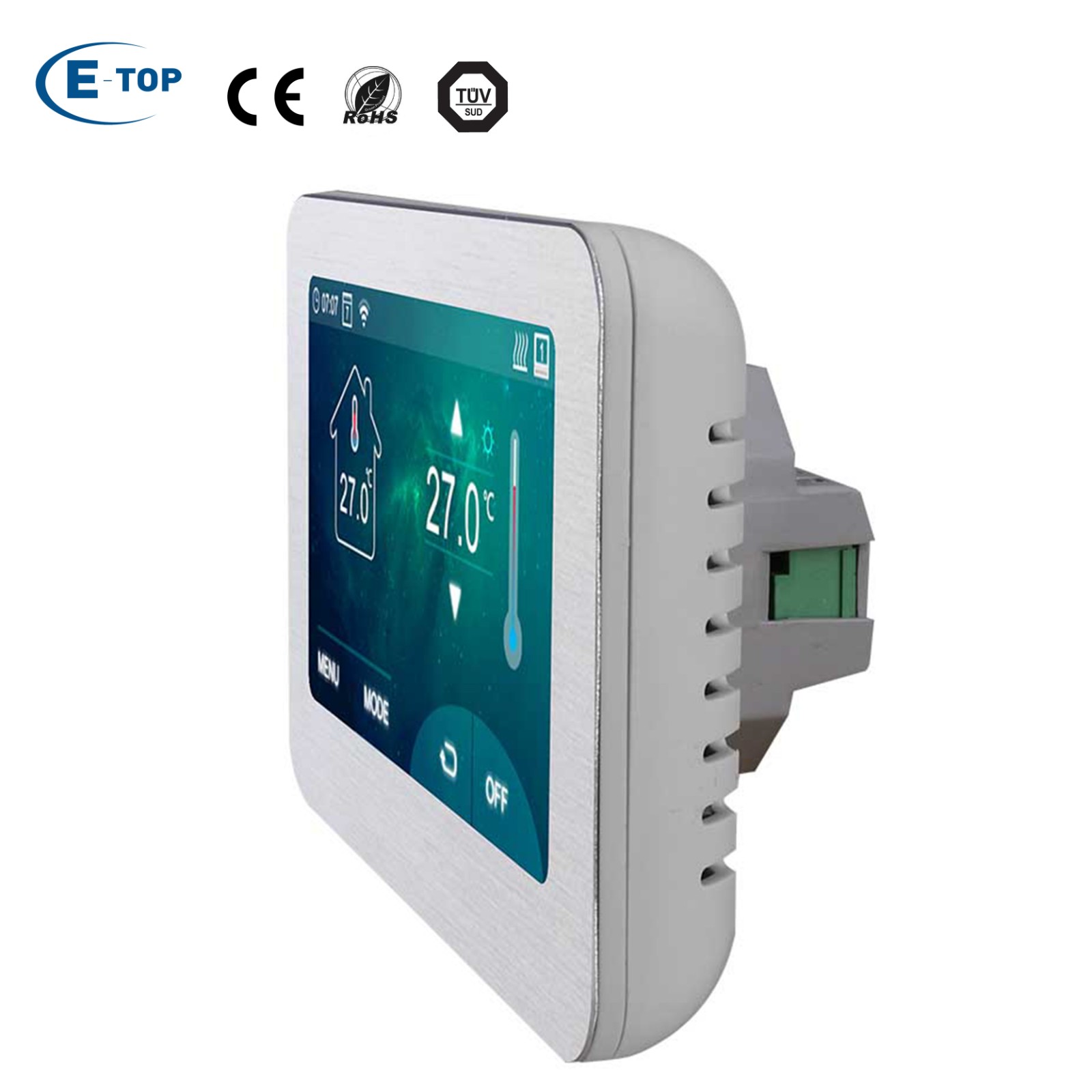
If you are building a brand, off-the-shelf white labeling may not provide enough differentiation. Modifying the exterior tooling (ODM) or upgrading the user interface (e.g., adding an LED touchscreen or custom voice-assistant commands) requires a factory with strong in-house R&D.
When utilizing OEM/ODM Services, ensure the supplier has experience with smart home ecosystems. Modifying physical tooling can impact airflow, which in turn alters the thermal dynamics of the heater, requiring a complete re-certification of the unit.
Typical MOQs, Pricing, and Lead Times
Smart home heaters are seasonal products, which heavily impacts production schedules. Factories are busiest from May to August preparing for winter shipments.
Need to negotiate favorable MOQs or align production with your seasonal freight schedule? Speak to our sourcing experts.
Get a free consultationFrequently Asked Questions
Executing a successful purchase order for smart home heaters requires vigilance at the component level. By specifying precise safety mechanisms and verifying IoT module compatibility early in the negotiation, you protect your brand from costly recalls and connectivity issues.
Get Sourcing Help for Smart Home Heaters
Tell us your requirements and our experts will connect you with verified manufacturers.