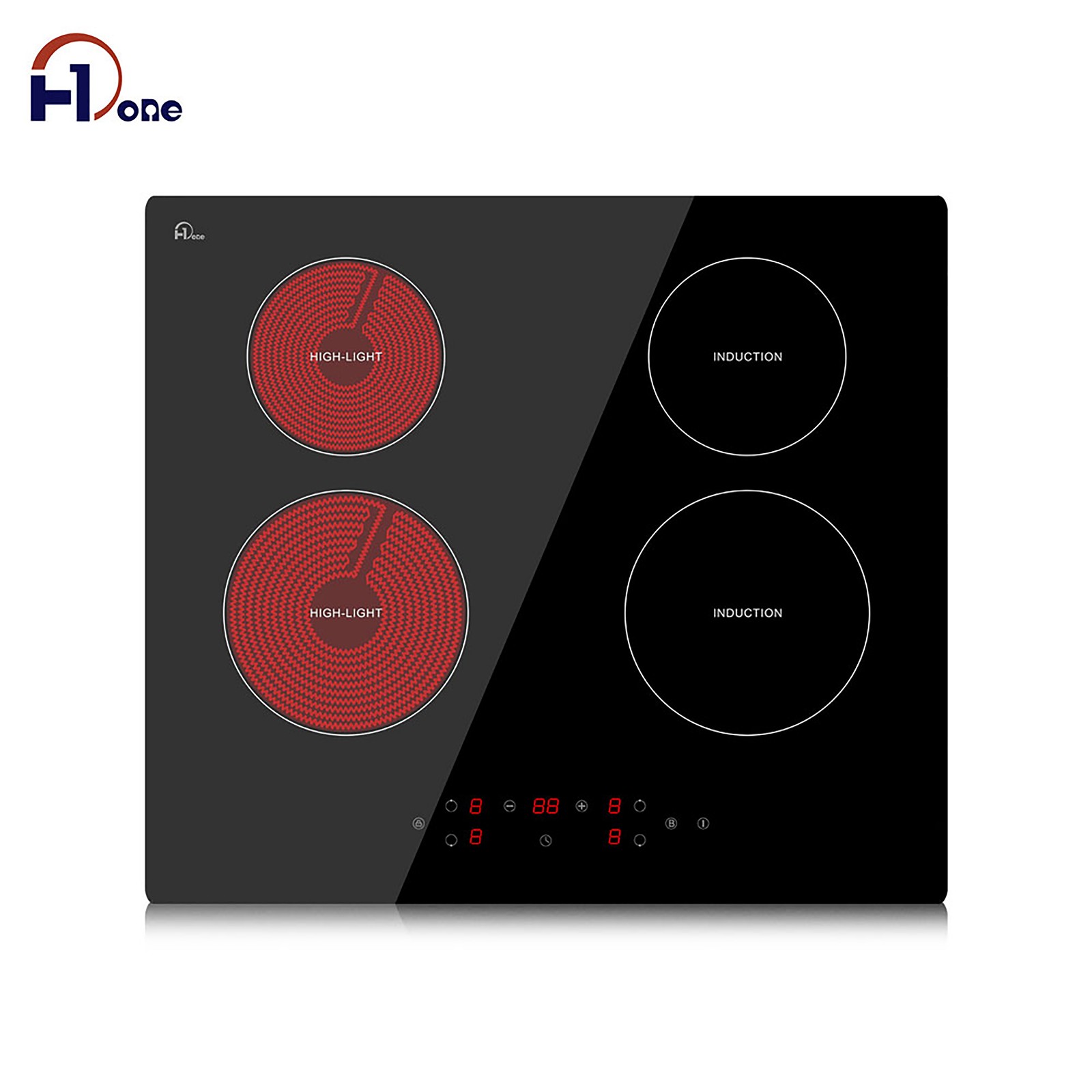
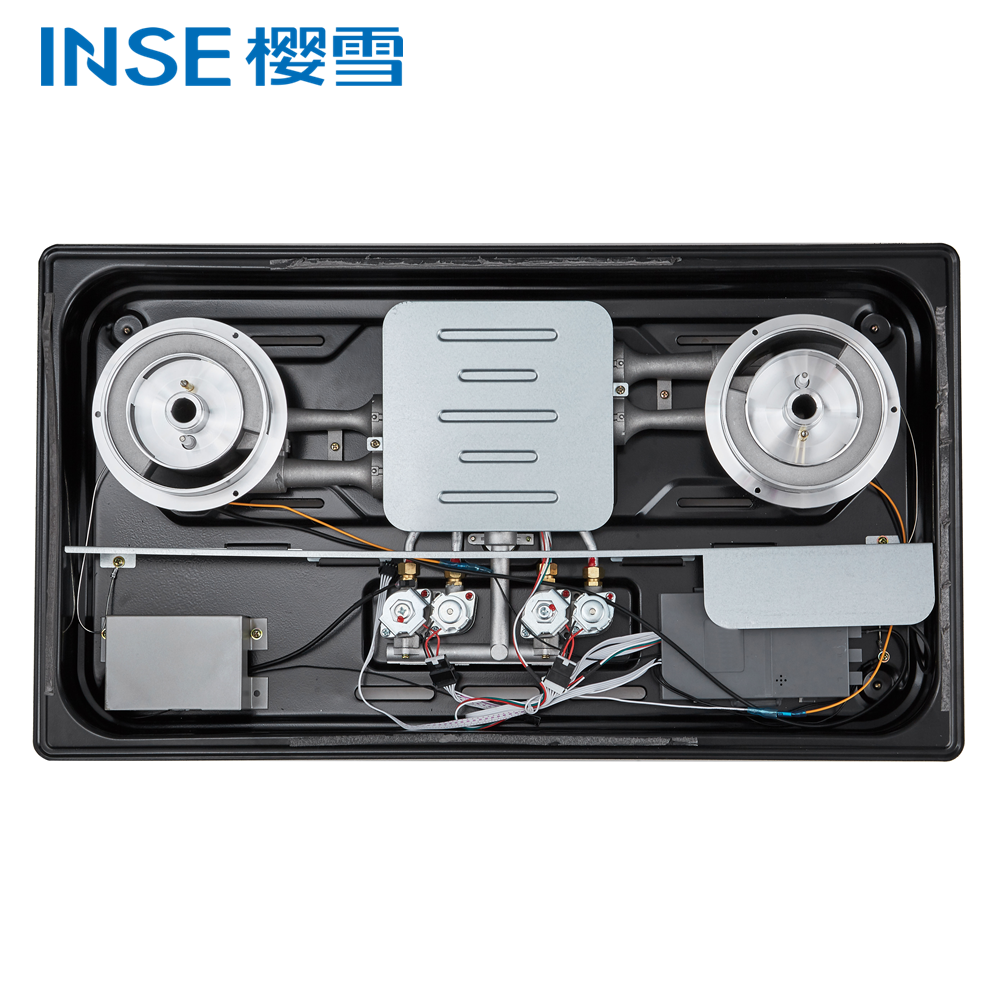
Smart Cooktops
Source high-performance Smart Cooktops from vetted manufacturers and suppliers. Designed for importers, wholesale distributors, and brands seeking reliable OEM and private-label production, our network delivers precision induction and gas cooktops with advanced IoT integration, rigorous thermal management, and strict safety compliance.
Sourcing smart cooktops requires bridging two distinct manufacturing disciplines: heavy-duty thermal appliances and delicate IoT electronics. The primary sourcing risk is partnering with a traditional hardware factory that poorly integrates outsourced smart modules, or an electronics assembler lacking the thermal management expertise required for high-wattage induction. Success demands a supplier capable of balancing high-voltage power components, wireless connectivity, and strict international safety standards.
Critical Specifications and Component Sourcing
The reliability of a smart cooktop is dictated by its internal component architecture. When specifying your product with a manufacturer, pay close attention to the power delivery systems and the quality of the glass-ceramic surface.
- IGBT (Insulated-Gate Bipolar Transistor): The core of any induction cooktop. Premium models utilize IGBTs from established brands like Infineon to handle rapid switching at high currents without failing under thermal stress. Standard domestic IGBTs may suffice for lower-wattage units but risk premature failure in multi-zone, high-power applications.
- Coil Windings: Specify pure copper coils with high winding density. Some budget suppliers substitute aluminum or copper-clad aluminum (CCA), which increases electrical resistance, reduces heating efficiency, and generates excessive internal heat.
- Glass-Ceramic Panels: The surface must withstand extreme thermal shock and mechanical impact. While top-tier European glass (like Schott Ceran or EuroKera) commands a premium, high-quality Chinese alternatives are increasingly viable for mid-tier markets, provided they undergo strict stress testing.
| Component | Standard OEM Specification | Premium ODM Specification |
|---|---|---|
| Glass Panel | Domestic high-temperature glass | Schott Ceran / EuroKera |
| Power Transistor | Standard domestic IGBT | Infineon or equivalent imported IGBT |
| Coil Material | Copper-clad aluminum or low-density copper | High-density pure copper windings |
| IoT Integration | White-label Tuya module & app | Custom PCB with proprietary API integration |
Struggling to verify component quality from overseas suppliers? Let us help you audit and secure the right manufacturing partner.
Talk to our teamManufacturing Quality and Compliance Testing
Smart cooktops operate in harsh environments involving heat, moisture, and potential spills, making internal shielding and PCB potting critical. Furthermore, the combination of high-frequency induction coils and wireless modules (Wi-Fi/Bluetooth) creates significant potential for electromagnetic interference (EMI).
To ensure market readiness, it is vital to implement rigorous Quality Control & Inspection protocols directly on the factory floor, focusing on thermal runaway protections and EMI shielding.
Factory-Floor QC Focus Areas for Smart Cooktops
- Hi-Pot (High Potential) testing to verify electrical insulation and grounding.
- Thermal imaging under maximum load to detect hot spots on the PCB or IGBT heat sinks.
- EMI/EMC testing to ensure induction frequencies do not disrupt the onboard Wi-Fi/Bluetooth modules.
- Water ingress testing around the touch-control interface and glass-to-chassis seal.
- Software stability checks, including OTA (Over-The-Air) update functionality and app pairing success rates.
Because smart cooktops are heavily regulated, ensuring Compliance & Testing for your destination market is non-negotiable. This includes CE-LVD/EMC and RED (Radio Equipment Directive) for Europe, or FCC and UL 858 / UL 197 for North America.
OEM/ODM Capabilities and Supplier Vetting
Not all cooktop factories have the in-house R&D required for true smart home integration. Many are simply sheet metal and assembly workshops. If you are developing a custom product or integrating the appliance into an existing smart home ecosystem, you need a partner with a mature software and electronics engineering team.
Conducting thorough Factory Audits is essential to verify that the supplier has legitimate IoT development capabilities, rather than relying entirely on off-the-shelf third-party modules that limit your ability to customize the user experience.
Typical MOQs, Pricing Drivers, and Lead Times
Pricing for smart cooktops is highly variable, driven primarily by the number of heating zones, the wattage output, the origin of the glass panel, and the complexity of the smart integration.
For private-label buyers using existing factory tooling, MOQs typically hover around a 20-foot container volume. If you are pursuing OEM/ODM Services for a completely custom chassis or proprietary software integration, expect MOQs to rise to 1,000 units or more to offset the factory's R&D and tooling investments.
Need accurate pricing and lead times for your specific cooktop requirements? Discuss your project with our sourcing engineers.
Get a free consultationFrequently Asked Questions
Sourcing smart cooktops requires strict oversight of both heavy electrical engineering and delicate software integration. By specifying exact component brands, enforcing rigorous EMI and thermal testing, and partnering with factories that possess genuine R&D capabilities, you can build a reliable, compliant product line. If you need experienced boots on the ground to manage supplier vetting, component specification, and quality control, our team is ready to support your procurement strategy.
Get Sourcing Help for Smart Cooktops
Tell us your requirements and our experts will connect you with verified manufacturers.