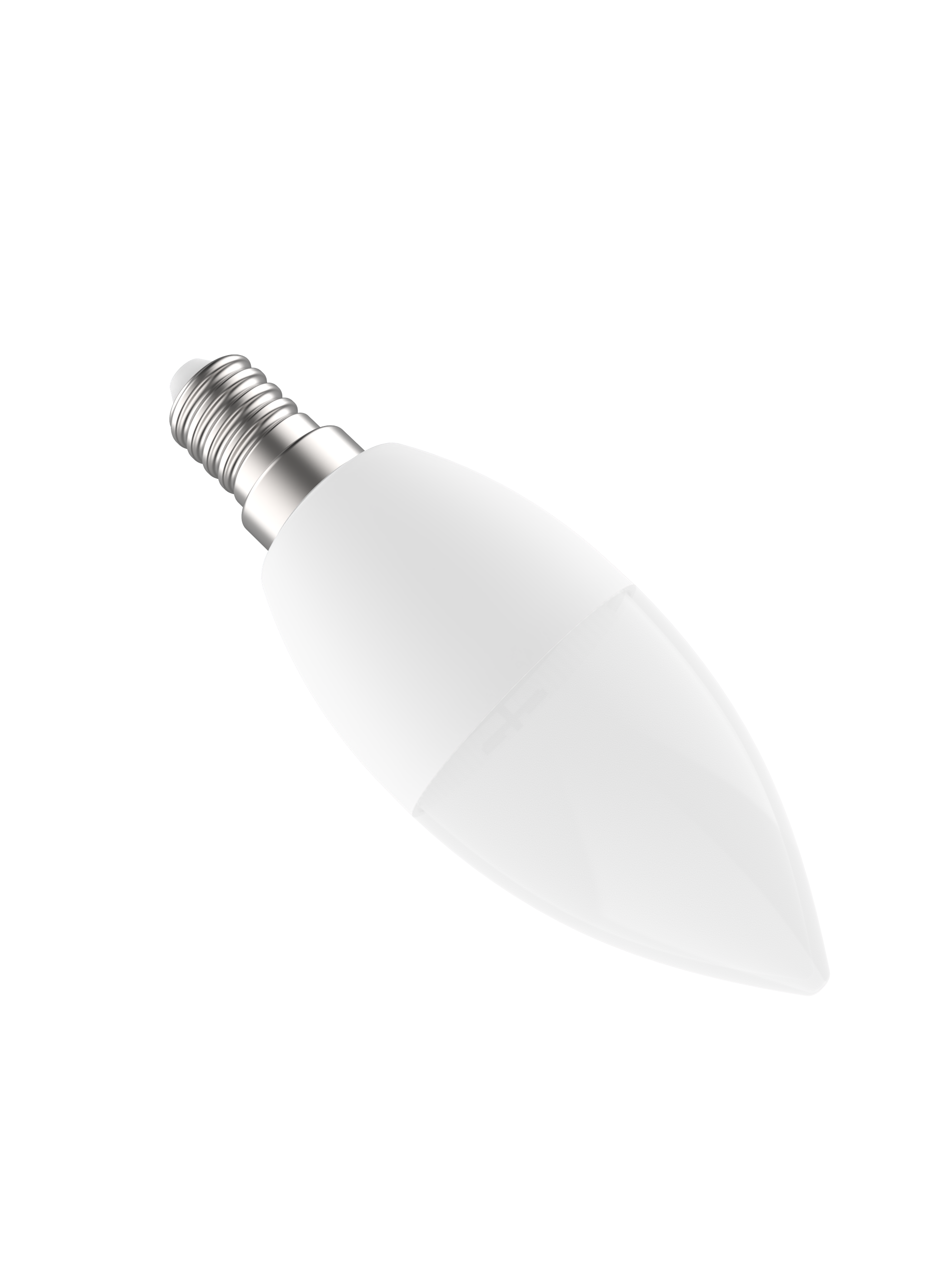
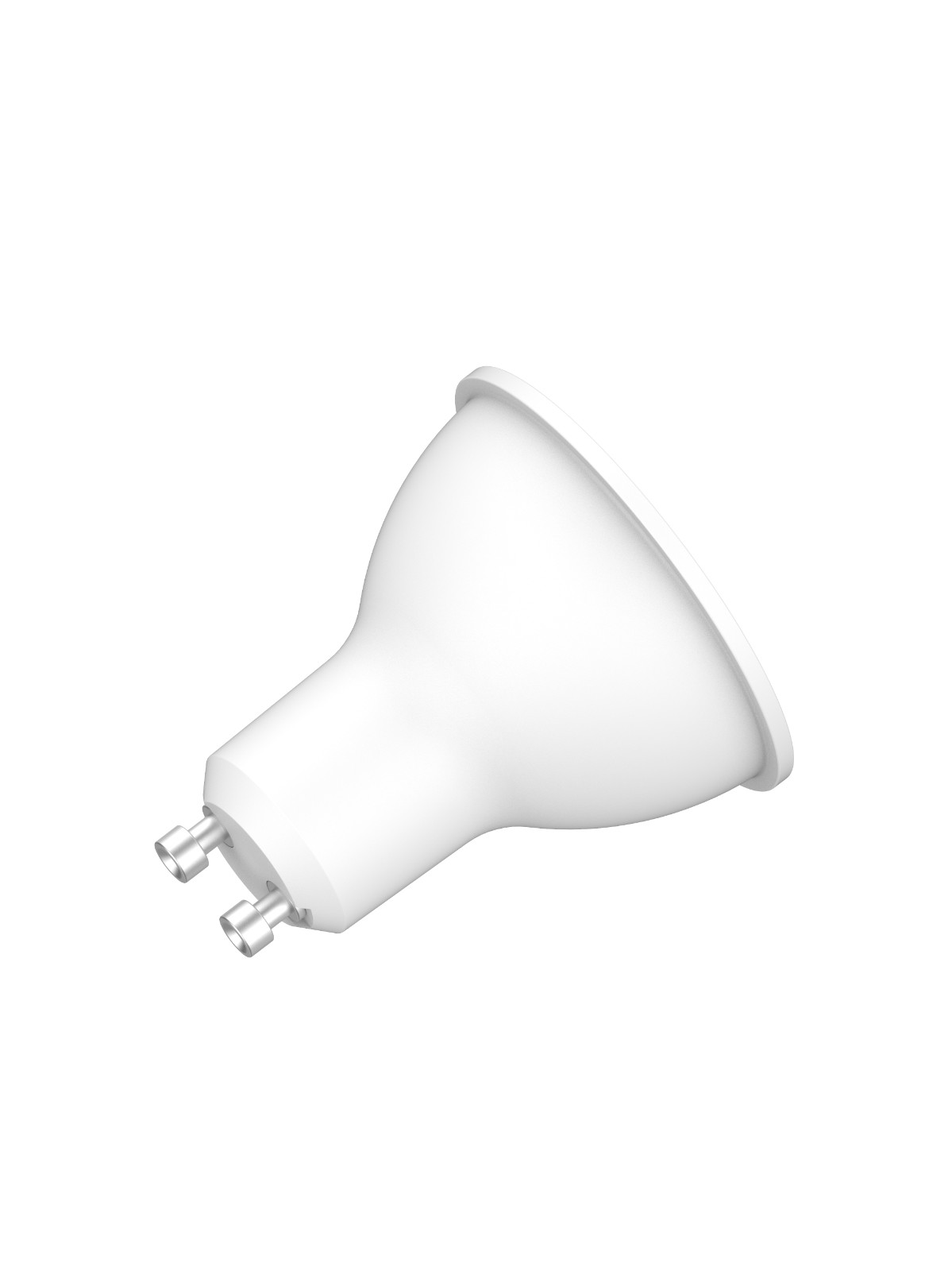
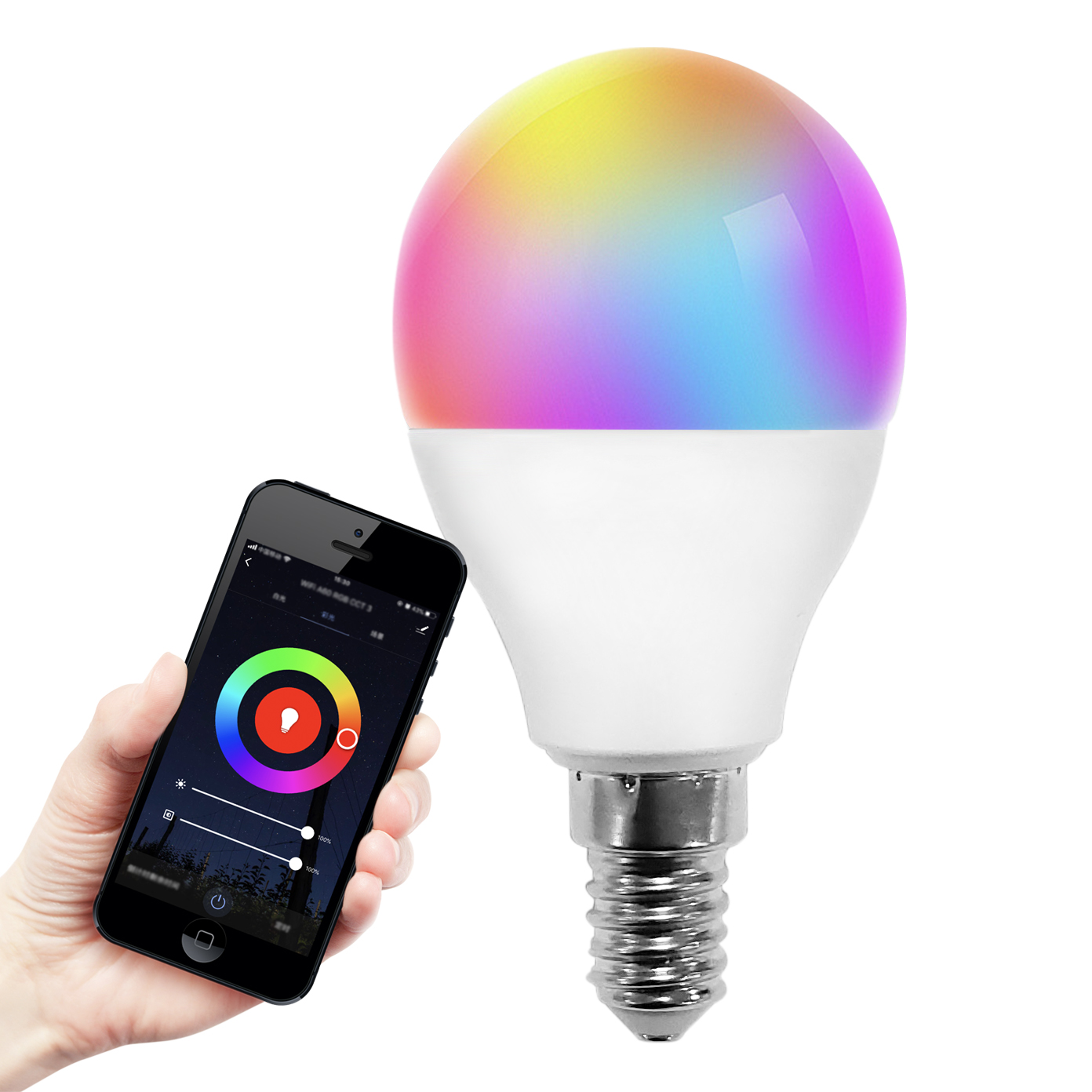
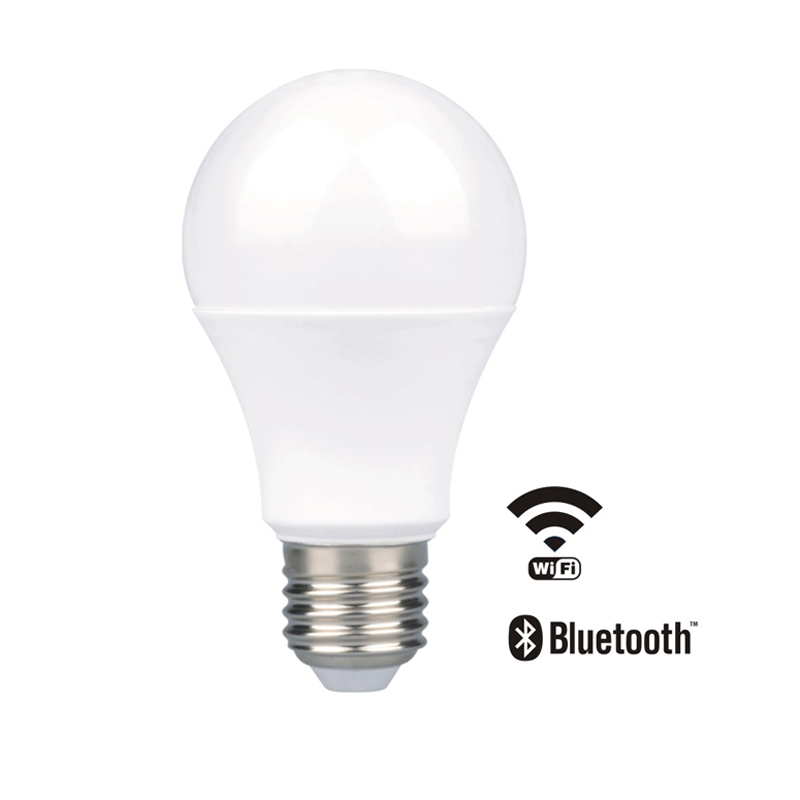
Smart Bulbs
Source Smart Bulbs directly from vetted manufacturers and wholesale suppliers. Tailored for importers, distributors, and brands seeking reliable OEM or private-label production. Secure high-quality, compliant smart lighting solutions designed for high-volume markets and complex integration requirements.
Sourcing smart bulbs at scale requires bridging two distinct manufacturing disciplines: traditional LED lighting and IoT electronics. The core sourcing challenge is rarely finding a factory that can assemble the hardware; it is identifying a manufacturer capable of delivering stable firmware, robust wireless connectivity, and proper thermal management while maintaining strict compliance across international markets.
Hardware and Connectivity Specifications
When defining your product requirements, the bill of materials (BOM) dictates both performance and unit cost. Relying on a factory's "standard" off-the-shelf spec sheet often leads to high return rates due to connectivity drops or premature LED failure.
Wireless Protocols and Ecosystems
The choice of communication module determines your product's target market and ecosystem compatibility.
| Protocol | Latency | Hub Required | Target Application |
|---|---|---|---|
| Wi-Fi (e.g., Tuya/Espressif) | Medium | No | Standalone consumer retail |
| Zigbee 3.0 | Low | Yes | Whole-home automation systems |
| Matter over Thread | Low | Border Router | Premium cross-ecosystem brands |
| Bluetooth Mesh | Medium | No | Commercial or localized grouping |
For brands developing proprietary ecosystems, engaging OEM/ODM Services is necessary to integrate custom firmware onto standard modules (like the ESP32 or Silicon Labs chips) rather than relying on white-labeled Tuya solutions.
Critical Hardware Components
- Driver ICs: Cheap linear ICs cause visible flickering and have poor power factor correction (PFC). Specify constant-current drivers with a PFC over 0.9 and strict flicker-free performance to meet commercial standards.
- Thermal Management: Smart bulbs generate heat from both the LED chips and the Wi-Fi/Zigbee module. Look for aluminum-clad plastic bodies (PBT+PC) rather than pure plastic, and ensure thermal potting compound is used around the driver to dissipate heat and prevent premature module failure.
- Color Rendering and Output: Standard bulbs offer a CRI of 80. Upgrading to CRI 90+ provides a significant competitive advantage in the premium retail space with a minimal increase in BOM cost.
Struggling to find a manufacturer with reliable firmware and stable connectivity? Let us help you vet suppliers with proven IoT track records.
Talk to our teamManufacturing Quality Control
The assembly of smart bulbs is highly automated, but quality is won or lost in the testing phases. The surface-mount technology (SMT) process for the control board must be flawless; even minor solder paste variations can degrade the antenna's RF performance.
Crucial Factory Quality Checks
- RF Calibration Testing: Verifying antenna transmission power and receiver sensitivity on the line.
- Aging Tests: A minimum of 4 hours at elevated temperatures (often 40 to 50 degrees Celsius) cycling through RGB and white spectrums.
- Integrating Sphere Testing: Verifying lumen output, color temperature (CCT), and CRI match the specified tolerances.
- High-Pot Testing: Ensuring electrical insulation integrity to prevent shock hazards.
To ensure these steps are actually performed rather than just documented, rigorous Quality Control & Inspection must be implemented during production, not just before shipping.
Factory Audits
Verify a lighting manufacturer's SMT lines, aging rooms, and testing equipment before placing your bulk order.
Compliance and Market Access
Smart bulbs are classified as both lighting products and intentional radiators (RF devices), triggering dual regulatory requirements.
- North America: FCC Part 15 (for the wireless module), UL/ETL certification for safety, and potentially Energy Star or California Title 20 depending on the market.
- Europe: CE-RED (Radio Equipment Directive), RoHS, and ErP (Energy-related Products) directive compliance.
Do not accept a module-level certification as proof of full-product compliance. The final assembled bulb must pass testing. Navigating this requires strict Compliance & Testing oversight to avoid customs seizures or retail delisting.
Pricing, MOQs, and Lead Times
Unit costs are highly sensitive to the chosen wireless module, the quality of the driver IC, and the licensing fees associated with specific ecosystems (like Apple HomeKit or Matter).
When negotiating, clarify whether the quoted price includes the cloud platform licensing fees (e.g., Tuya's per-device connection fee) or if those will be billed separately.
Need accurate pricing and lead times for your specific smart bulb requirements? We can benchmark costs across our vetted supplier network.
Get a free consultationFrequently Asked Questions
Successfully sourcing smart bulbs means looking past the outer plastic shell and scrutinizing the PCBA, thermal design, and RF performance. By partnering with factories that treat these products as complex IoT devices rather than simple light fixtures, you can build a reliable, scalable product line.
Get Sourcing Help for Smart Bulbs
Tell us your requirements and our experts will connect you with verified manufacturers.