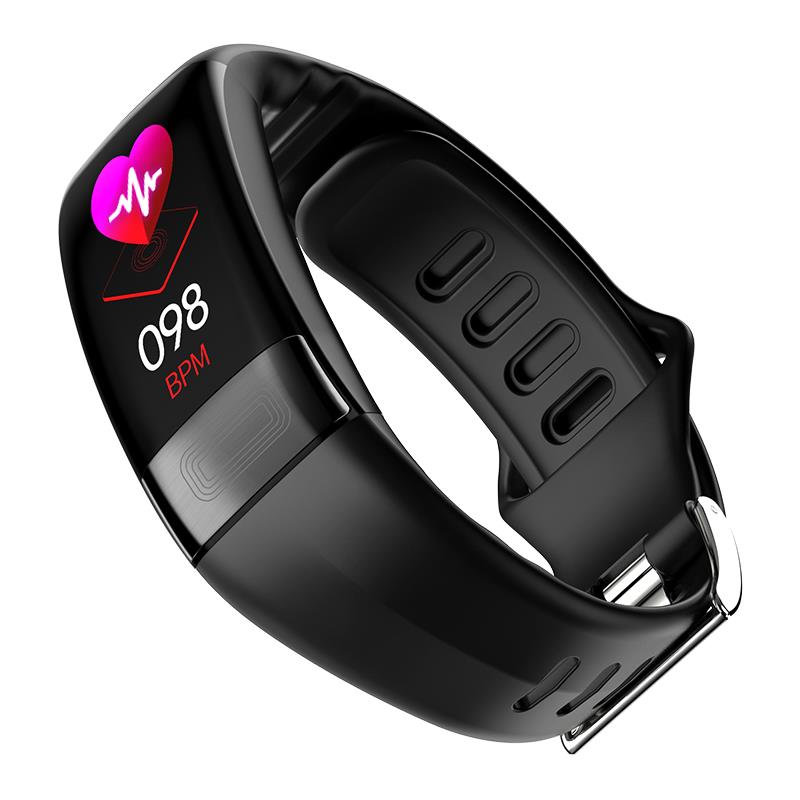
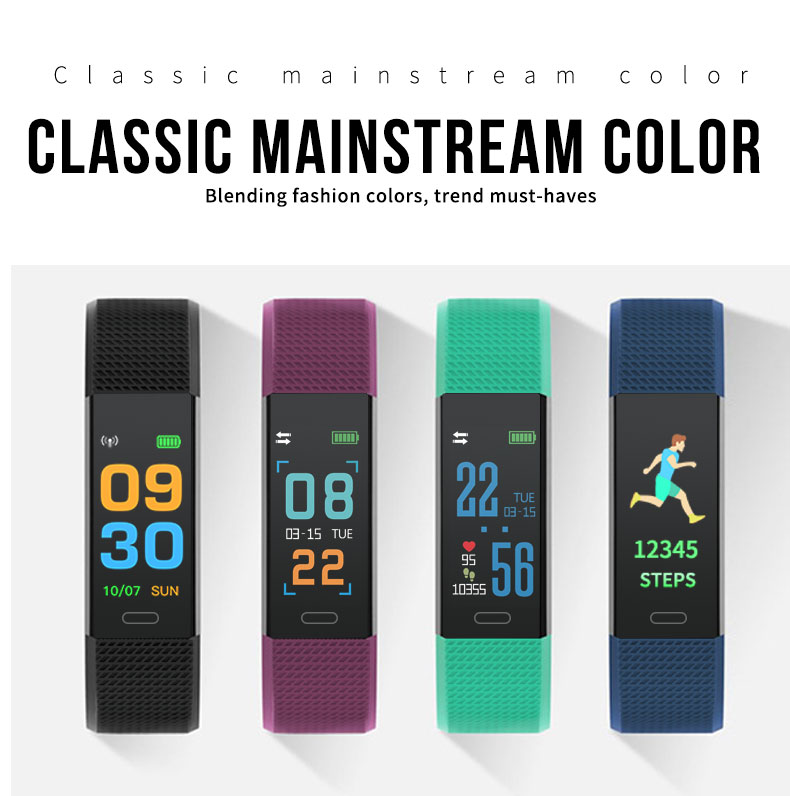
Smart Bracelets
Source high-quality Smart Bracelets from vetted manufacturers and suppliers in Asia. Designed for importers, wholesalers, distributors, and brands seeking reliable OEM/ODM production. Secure competitive bulk pricing, compliant wearable tech, and stable supply chains for your market.
The smart bracelet manufacturing ecosystem, heavily concentrated in hubs like Shenzhen and Dongguan, is dense and highly capable. However, for volume buyers, the primary challenge is rarely finding a supplier—it is identifying a manufacturing partner whose PCBA (Printed Circuit Board Assembly) capabilities, sensor integration, and firmware stability actually meet your market's performance standards. Success in sourcing wearable technology requires looking past the outer casing to scrutinize the internal architecture.
Core Specifications and Component Selection
The reliability of a smart bracelet is dictated by its Bill of Materials (BOM). When negotiating with factories, establishing exact specifications for the Microcontroller Unit (MCU) and biometric sensors is critical. A supplier offering a unit at a fraction of the market average has almost certainly compromised on the MCU brand, sensor accuracy, or battery chemistry.
| Component | Standard / White-Label | Premium OEM |
|---|---|---|
| MCU (Microcontroller) | Realtek, Broadcom | Nordic Semiconductor, Dialog |
| Biometric Sensors | Basic single-LED PPG | Multi-LED PPG (e.g., Texas Instruments, Bosch) |
| Display Technology | TFT LCD | AMOLED (high contrast, low power) |
| Battery Chemistry | Standard Li-Po (under 100mAh) | High-density Li-Po (over 150mAh) |
When developing a custom product, engaging a partner with proven OEM/ODM Services ensures that your specific component requirements are engineered correctly into the PCBA without signal interference between the Bluetooth antenna and the sensors.
Navigating custom firmware, PCBA design, and component selection requires careful factory vetting. Let's discuss your technical requirements.
Talk to our teamFirmware, Apps, and Data Compliance
The hardware is only half the product; the software ecosystem is where many import programs fail. Most off-the-shelf smart bracelets run on proprietary firmware linked to generic, white-label applications (such as Da Fit or FitPro).
If you require the bracelet to push data to your own proprietary application, you must negotiate SDK (Software Development Kit) or API access before placing an order. Many lower-tier assemblers do not own their firmware source code and cannot provide an SDK. Furthermore, if you are importing into regions with strict data privacy laws (like the EU or North America), you must verify where the companion app's servers are hosted to ensure regulatory compliance.
Manufacturing Quality Control and Testing
Wearables endure harsh daily use, making rigorous in-line Quality Control & Inspection non-negotiable. Defects in smart bracelets often trace back to poor soldering on the PCBA, inadequate sealing against moisture, or uncalibrated sensors.
Critical Factory-Level QC Checks for Smart Bracelets
- Air pressure decay testing for IP67/IP68 waterproof verification prior to final assembly.
- Battery burn-in and charge/discharge cycle testing to prevent dead-on-arrival units.
- Bluetooth antenna calibration to ensure stable connection ranges over 10 meters.
- PPG sensor calibration against baseline medical devices for heart rate and SpO2 consistency.
- Screen adhesion and drop testing to verify structural integrity.
Certifications and Market Compliance
Electronic wearables require extensive documentation to clear customs and enter retail channels. Beyond standard electrical safety, the integration of Bluetooth and batteries triggers specific regulatory requirements. Relying on a supplier's outdated or mismatched certificates can result in seized shipments.
Partnering with experts for Compliance & Testing ensures your units meet all necessary directives, including CE (RED, EMC, LVD), FCC Part 15, RoHS, and UN38.3 for lithium battery transport. Additionally, any device utilizing Bluetooth technology must be properly declared and listed with the Bluetooth SIG, a requirement that factories often leave to the importer to manage and fund.
Typical MOQs, Pricing, and Lead Times
Pricing in the smart bracelet category is highly elastic, driven heavily by the MCU choice, display type, and the degree of software customization required.
Need accurate pricing and lead times based on your specific technical requirements? Our sourcing team can help.
Get a free consultationFrequently Asked Questions
Sourcing smart bracelets at scale requires a deep understanding of electronic component supply chains, firmware integration, and rigorous quality assurance. By tightly controlling your BOM and verifying factory capabilities firsthand, you can avoid the common pitfalls of wearable tech manufacturing and deliver a reliable product to your market.
Get Sourcing Help for Smart Bracelets
Tell us your requirements and our experts will connect you with verified manufacturers.