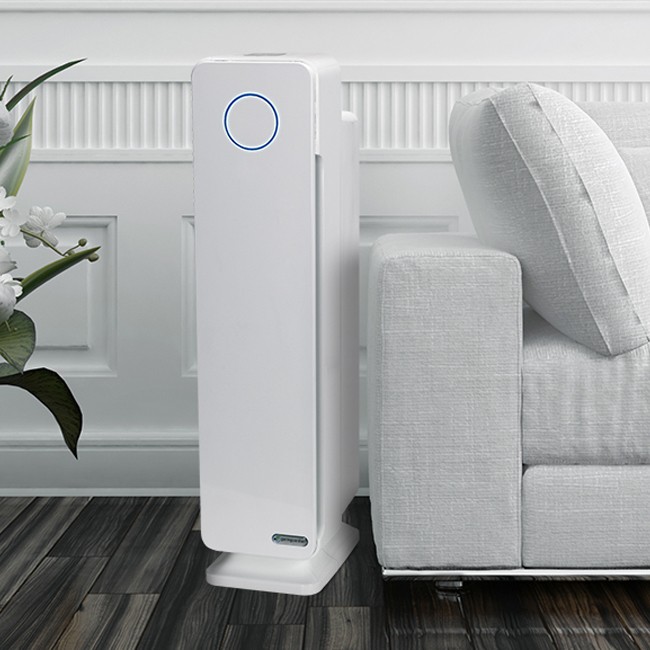
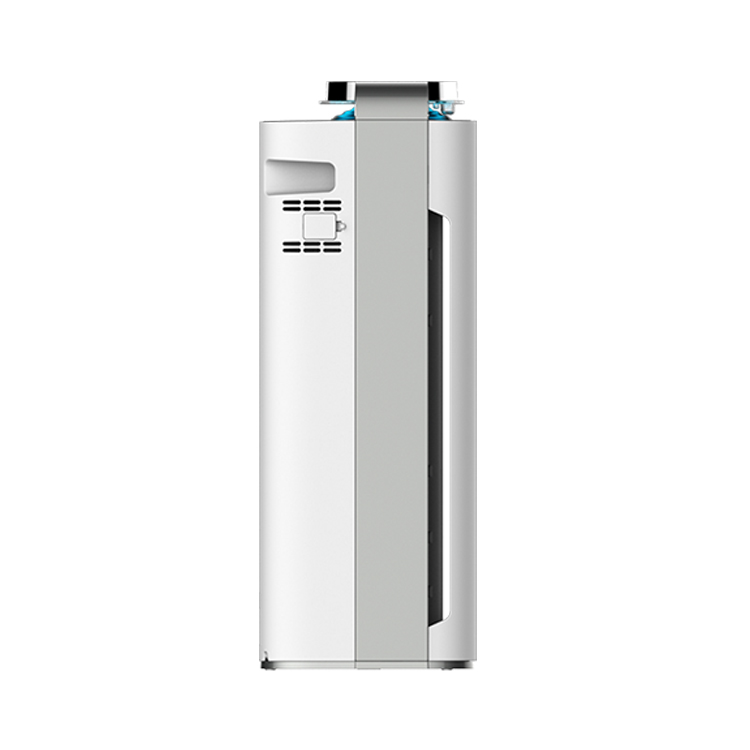
Smart Air Purifiers
Source high-performance Smart Air Purifiers directly from vetted manufacturers and wholesale suppliers. Designed for importers, distributors, and brands seeking reliable OEM/ODM production, our factory-direct network ensures you secure competitive pricing, certified quality, and stable supply for your bulk orders.
Sourcing smart air purifiers in bulk requires balancing two distinct manufacturing disciplines: aerodynamic engineering for efficient filtration, and stable IoT integration for smart connectivity. Procuring these units successfully means navigating a supplier landscape where inflated performance metrics and unreliable app modules are common pitfalls. To build a profitable and compliant product line, buyers must dictate precise technical specifications and enforce strict quality standards on the factory floor.
Core Technical Specifications to Define
When negotiating with a smart air purifier manufacturer, generic requirements will result in substandard components. You must specify the exact hardware and performance metrics required for your target market.
Motor Type and Airflow Dynamics
The motor is the most expensive component and dictates both the unit's lifespan and noise profile. Avoid older AC motors. Specify Brushless DC (BLDC) motors; they offer precise speed control, which is essential for the automated "Auto Mode" adjustments triggered by the smart sensors, and they consume significantly less power while operating quietly.
Sensor Accuracy
A smart air purifier is only as intelligent as its sensors. Low-cost factories often default to infrared dust sensors, which provide slow, inaccurate readings. For reliable real-time air quality monitoring and responsive auto-modes, insist on laser PM2.5 sensors. If your market demands it, add dedicated VOC (Volatile Organic Compound) or formaldehyde sensors.
IoT Connectivity and App Integration
Most manufacturers utilize third-party IoT ecosystems, with Tuya being the dominant standard. Ensure the factory uses the latest Wi-Fi/Bluetooth combo modules for seamless pairing. If you are building a private-label brand, you will need a factory experienced in customizing the app interface. Utilizing professional OEM/ODM Services ensures your branding extends flawlessly from the physical unit to the digital application.
Need help finding a factory that meets these technical requirements?
Talk to our teamManufacturing Pitfalls and Quality Control
The physical assembly of an air purifier is relatively straightforward, but critical failures often occur in the sealing and the electronics. If the internal housing around the HEPA filter is not perfectly sealed, polluted air will bypass the filter entirely, rendering the high CADR rating useless.
Furthermore, the integration of smart modules introduces PCB (Printed Circuit Board) vulnerabilities. Rigorous Quality Control & Inspection is mandatory to catch these issues before shipment.
Critical Factory-Floor Inspections
- Filter Sealing Integrity: Smoke testing to ensure zero air bypass around the HEPA gasket.
- Sensor Calibration: Verifying PM2.5 readings against calibrated lab equipment.
- PCB Aging Tests: Running the smart modules under thermal stress to prevent premature failure.
- Anemometer Testing: Validating airflow volume at the exhaust to confirm CADR claims.
- Drop & Vibration Testing: Ensuring heavy BLDC motors do not dislodge during transit.
Additionally, smart home appliances face stringent regulatory hurdles. Depending on your market, the units will require CE, RoHS, FCC, and potentially AHAM Verifide certifications. Partnering with a sourcing team that manages Compliance & Testing ensures your shipments are not held up at customs due to missing RF or electrical safety documentation.
Pricing Drivers and MOQ Expectations
Pricing for smart air purifiers is highly modular. The base cost is driven by the CADR capacity (which dictates the motor and housing size), while the "smart" features and filter grades add incremental costs.
| Specification Tier | Motor & Sensor | Filter Grade | Connectivity |
|---|---|---|---|
| Entry-Level Smart | AC Motor, Infrared Sensor | H11 or H12 HEPA | Basic Wi-Fi (Tuya Standard) |
| Mid-Range OEM | BLDC Motor, Laser PM2.5 | H13 True HEPA + Carbon | Wi-Fi + Bluetooth Combo |
| Premium / Custom | Dual BLDC, Laser + VOC | H14 Medical + Custom Media | Custom App API / SDK Integration |
Typical MOQs:
- Standard White-Label (Existing Mold): 500 to 1,000 units. This allows for custom packaging, logo printing, and basic app branding.
- Custom Tooling (New Design): 2,000+ units. If you are altering the physical housing or internal airflow design, factories require higher commitments to offset the R&D and mold costs.
Lead times generally range from 35 to 45 days for repeat orders, but initial OEM orders requiring app customization and packaging approval can take 60 days or more.
Compare current factory pricing and lead times for your specific volume.
Get a free consultationFrequently Asked Questions
Successfully importing smart air purifiers requires looking past the glossy app interfaces to verify the underlying motor quality, filter integrity, and sensor accuracy. By defining strict technical parameters and enforcing rigorous inspections, you can source reliable appliances that build lasting brand equity.
Get Sourcing Help for Smart Air Purifiers
Tell us your requirements and our experts will connect you with verified manufacturers.