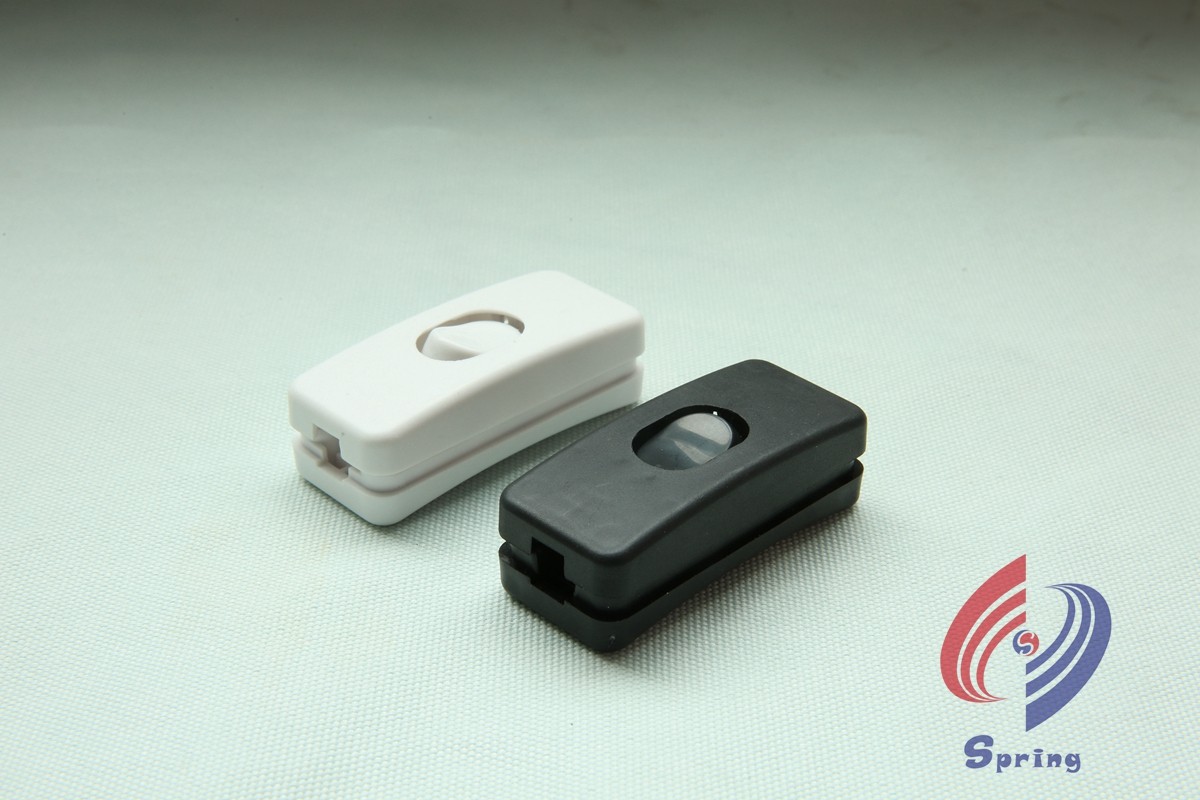
Slide Switches
Source high-quality slide switches from vetted suppliers and manufacturers across Asia. Designed for importers, electronics distributors, and brands requiring reliable OEM production, our network delivers bulk volume components with rigorous quality control, competitive pricing, and certified compliance.
Sourcing slide switches in commercial volumes requires balancing mechanical reliability with strict cost controls. Whether you are procuring micro slide switches for consumer electronics or high-current variants for industrial appliances, the core sourcing challenge remains the same: ensuring consistent contact resistance and mechanical longevity across millions of actuations. Relying on superficial datasheets often leads to high failure rates in the field; success depends on verifying the underlying materials, plating processes, and factory automation levels.
Critical Specifications for High-Volume Buyers
When specifying slide switches for bulk production, generic descriptions are insufficient. Manufacturers need precise parameters to quote accurately and prevent "specification drift" during mass production.
Pay close attention to the operating force (measured in grams-force or Newtons). A variance of plus or minus 50gf is standard for budget switches, but premium applications demand tighter tolerances to ensure a consistent tactile feel. Additionally, specify the exact actuator material (usually POM or PA66) and terminal plating. Silver plating is standard, but for low-current logic circuits, gold plating is necessary to prevent oxidation and ensure reliable switching over time.
Struggling to find a manufacturer that can meet strict mechanical tolerances? Let us match you with a vetted switch factory capable of precision automated assembly.
Talk to our teamManufacturing Tolerances and Quality Control
The primary difference between a tier-one slide switch manufacturer and a budget workshop lies in their assembly process. Manual assembly introduces inconsistencies in contact alignment and terminal sealing, leading to premature failure or flux intrusion during wave soldering.
When evaluating a factory, focus on their stamping precision and injection molding capabilities. The housing must withstand high soldering temperatures without warping. Implementing rigorous Quality Control & Inspection protocols—particularly in-line automated optical inspection (AOI) and batch life-cycle testing—is essential to catch defects before the components leave the factory floor.
Pre-Shipment Inspection Focus Areas
- Terminal pull strength and epoxy seal integrity to prevent flux wicking.
- Contact resistance stability before and after environmental stress testing.
- Actuator travel distance and tactile consistency across random batch samples.
- Dielectric strength and insulation resistance verification.
Customization and Regulatory Compliance
For brands integrating slide switches into proprietary designs, off-the-shelf options may not suffice. Custom actuator lengths, specific pin configurations (e.g., right-angle PC through-hole vs. surface mount), and specialized detent mechanisms require capable OEM/ODM Services.
Furthermore, if your end-product is destined for North American or European markets, the switches themselves often need independent safety certifications. Ensure your supplier can provide valid UL, cUL, ENEC, or CQC certificates for the exact model you are purchasing. Relying on Compliance & Testing partners can help verify that the factory's certifications are current and apply to your specific BOM.
Pricing, MOQs, and Lead Times
Slide switch pricing is highly sensitive to raw material costs (copper, silver, engineered plastics) and the level of factory automation.
| Cost Driver | Standard Commercial | Premium / Custom |
|---|---|---|
| Contact Plating | Thin silver flash | Heavy silver or gold clad |
| Assembly Method | Semi-automated / Manual | Fully automated with in-line testing |
| Typical MOQ | 10,000 - 20,000 pcs | 50,000+ pcs |
Lead times for standard, high-volume slide switches typically range from 15 to 25 days. However, custom actuator molds or non-standard pinouts can extend initial production times by 3 to 4 weeks. To secure the best pricing, buyers should forecast orders quarterly, allowing the factory to bulk-purchase raw materials and optimize their stamping schedules.
Need to negotiate better terms or consolidate your switch procurement? We help buyers secure competitive pricing and reliable lead times from top-tier Asian manufacturers.
Get a free consultationSecuring a reliable supply of slide switches goes beyond comparing unit prices on a spreadsheet. It requires a deep understanding of the manufacturer's internal quality systems, tooling capabilities, and material supply chains. By utilizing professional Product Sourcing strategies, you can bypass trading companies, partner directly with capable factories, and ensure your components perform flawlessly in the field.
Get Sourcing Help for Slide Switches
Tell us your requirements and our experts will connect you with verified manufacturers.