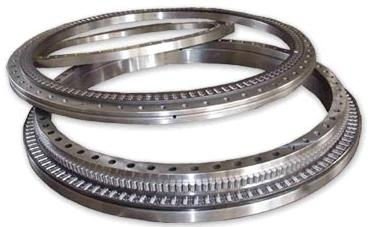
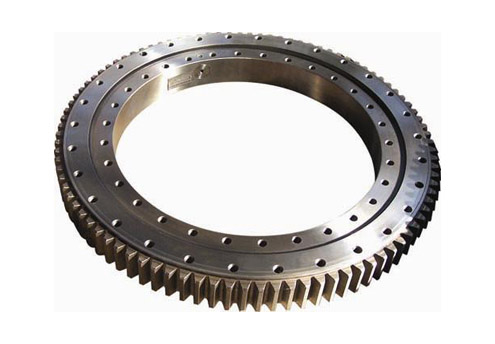
Slewing Bearings
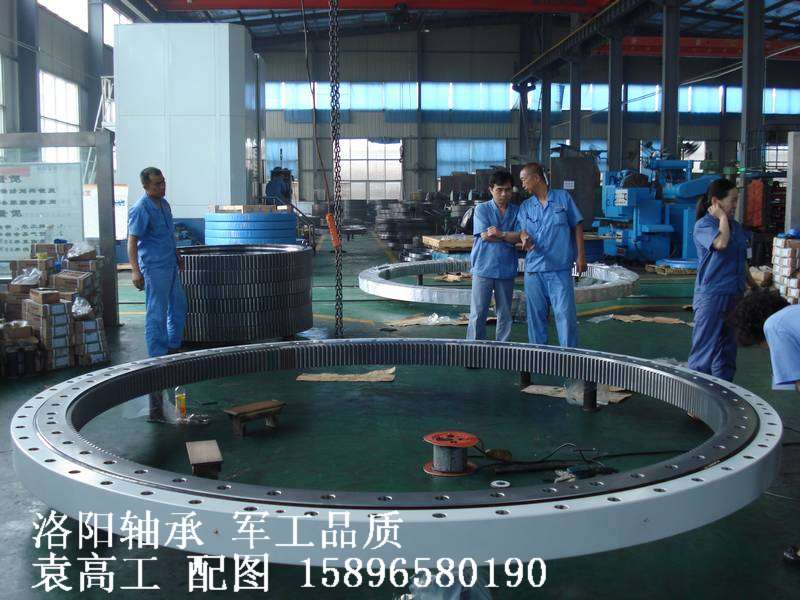
Source high-capacity Slewing Bearings from vetted suppliers and manufacturers across Asia. Designed for heavy machinery importers, industrial distributors, and OEM brands requiring bulk orders, our network delivers precision-engineered slewing rings with reliable load capacities, competitive wholesale pricing, and rigorous quality assurance.
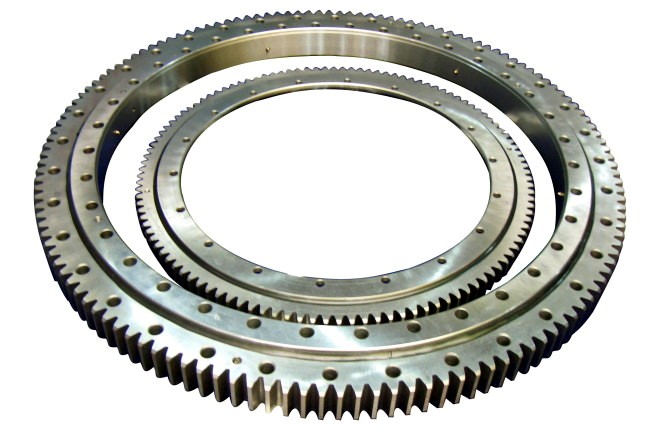
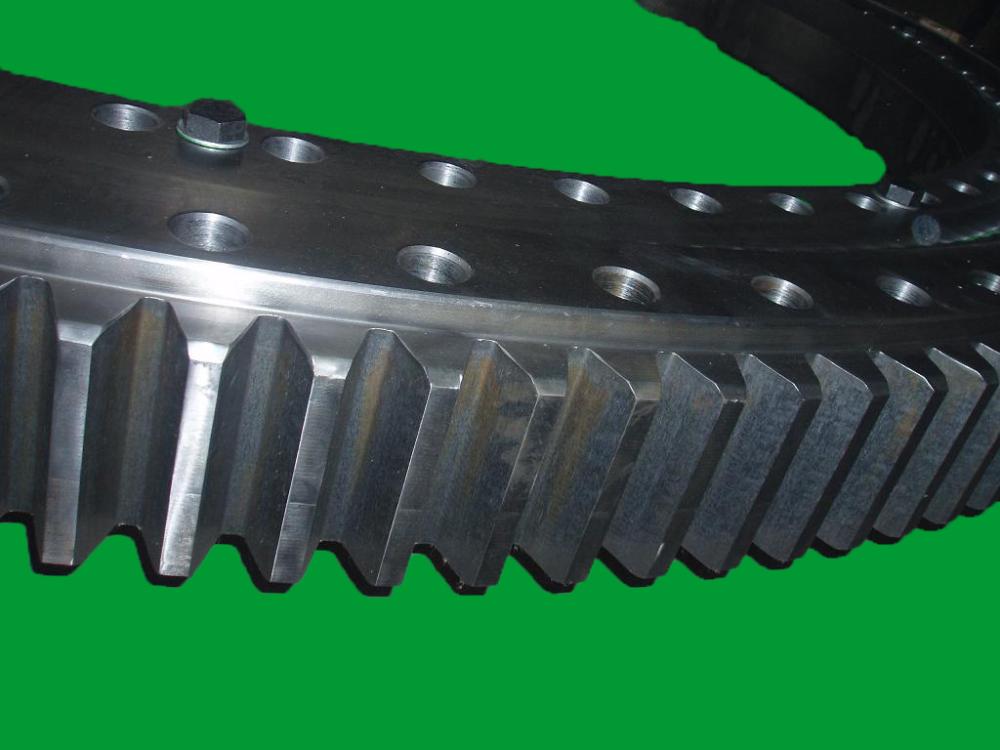
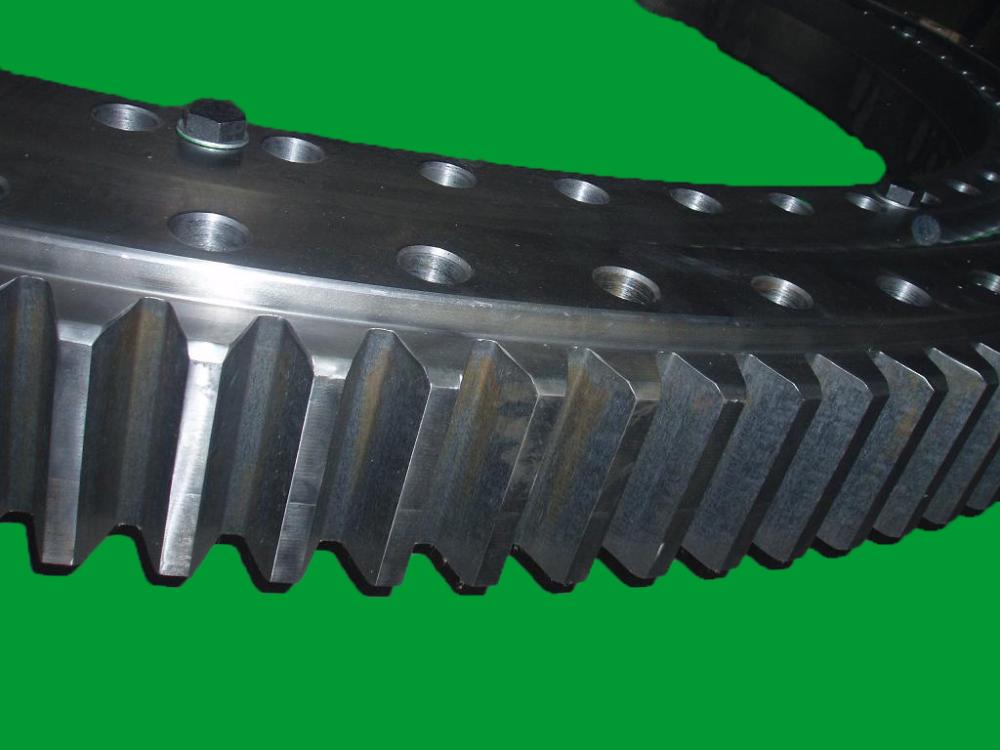
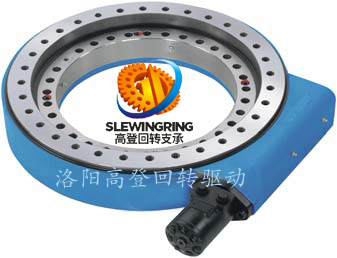
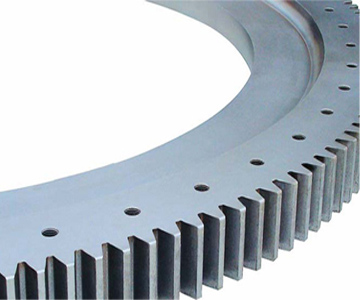
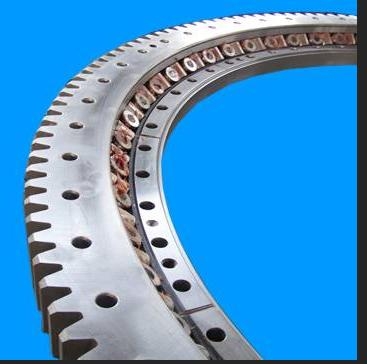
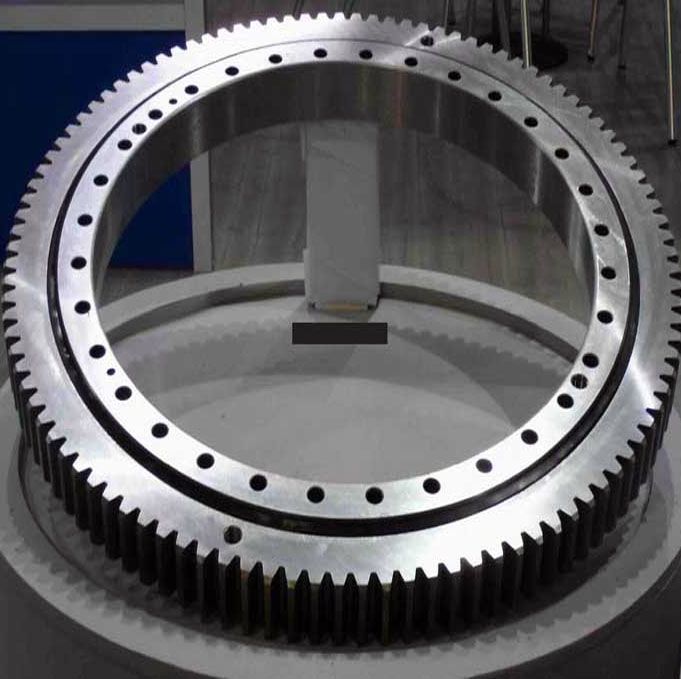
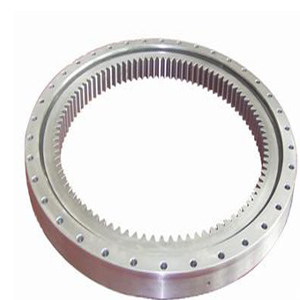
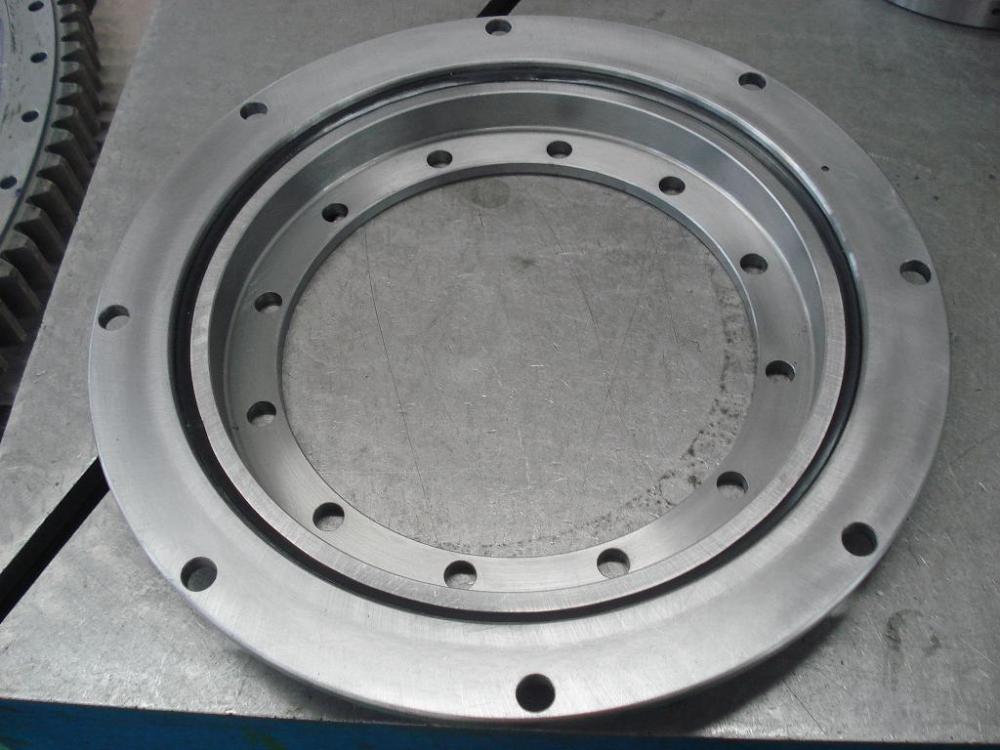
Slewing bearings (or slewing rings) are critical structural components tasked with handling immense axial, radial, and moment loads simultaneously. Because they serve as the primary rotational joint in excavators, cranes, wind turbines, and industrial turntables, sourcing these bearings at scale requires strict attention to raceway hardening, gear precision, and raw steel quality. A single catastrophic failure in the field can cost tens of thousands in downtime and repairs, making supplier selection and rigorous technical validation non-negotiable.
Critical Specifications and Materials
When specifying slewing rings with a manufacturer, the raw material and the heat treatment process dictate the bearing's lifecycle and load rating. Most industrial slewing bearings are forged from high-carbon or alloy steels.
| Material Grade | Key Characteristics | Typical Applications |
|---|---|---|
| 50Mn (Standard) | Good machinability, standard hardenability, cost-effective. | Light cranes, standard excavators, packaging machinery. |
| 42CrMo (Premium) | Higher fatigue strength, superior impact resistance, deeper hardening depth. | Heavy-duty excavators, wind turbines, offshore cranes. |
Beyond the steel grade, the raceway induction hardening process is where bearing quality is won or lost. The raceway must typically achieve a hardness of 55 to 62 HRC, with a hardening depth that corresponds to the rolling element diameter. If the hardening is too shallow, the raceway will spall under heavy moment loads; if it is too brittle, it risks cracking.
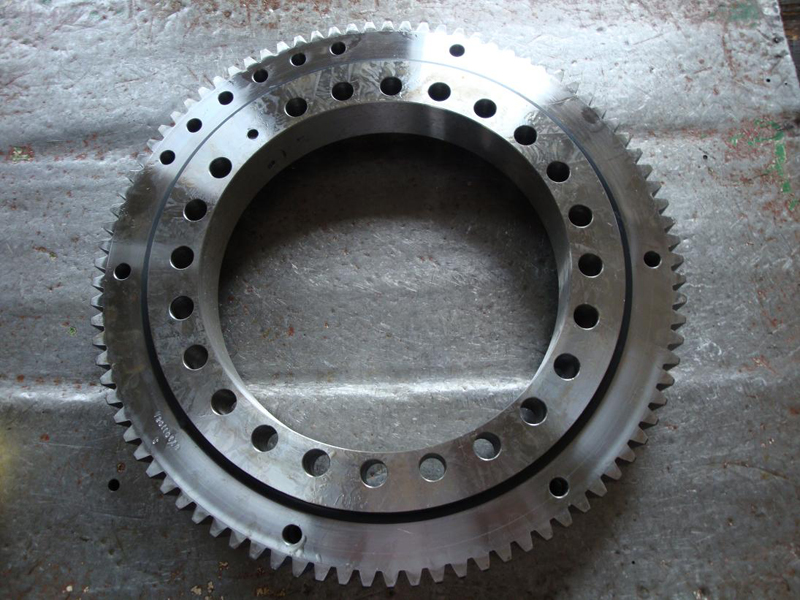
For buyers requiring custom gear profiles, specific mounting hole patterns, or specialized anti-corrosion coatings (like zinc plating or custom painting), engaging a partner for OEM/ODM services ensures the factory correctly interprets your CAD drawings and machining tolerances.
Quality Control on the Factory Floor
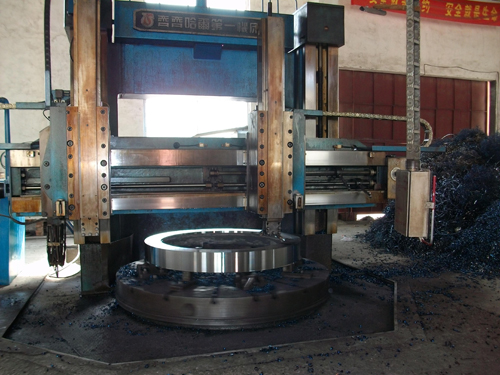
Not all bearing manufacturers have in-house capabilities for the most critical production stages. While many facilities can machine the rings, the forging and heat-treatment processes are often outsourced, which introduces supply chain risk. Conducting thorough factory audits is essential to verify whether a supplier actually controls the induction hardening and gear-hobbing processes.
Essential Quality Control Checks for Slewing Bearings
- Ultrasonic Testing (UT): Verifies the internal integrity of the raw forging before machining, ensuring no subsurface voids or cracks.
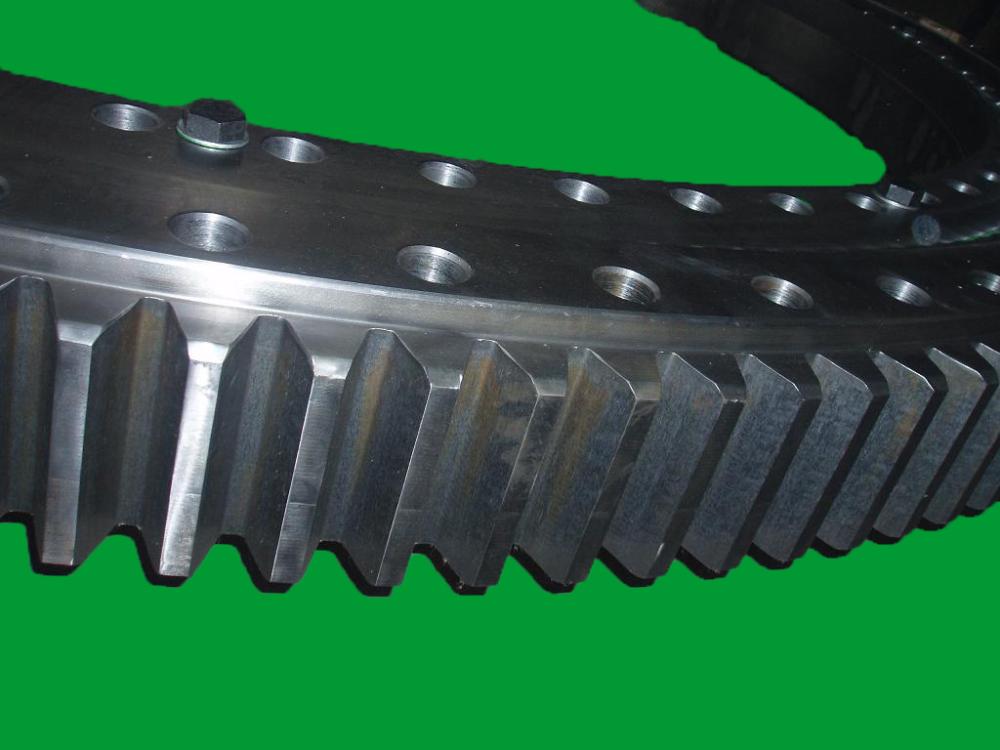
- Magnetic Particle Inspection (MPI): Used post-heat treatment to detect micro-cracks on the gear teeth and raceway surfaces.
- Hardness Testing: Confirms both the surface hardness (HRC) and the effective case depth of the raceway.
- Runout Measurement: Checks radial and axial runout to ensure rotational precision and prevent premature wear on the gear train.
- Clearance Verification: Ensures the internal clearance (negative or positive) matches the application's rigidity requirements.
Catching a dimensional error or a failed hardness test after the bearing has shipped is a costly mistake. Implementing strict pre-shipment quality control protocols ensures that non-conforming units are caught before they ever leave the factory.
Need to verify a bearing manufacturer's heat-treatment capabilities? Let our engineers handle the factory audit and technical vetting.
Talk to our teamSourcing Realities: MOQ, Pricing, and Lead Times
The economics of sourcing slewing bearings differ significantly from standard rolling bearings due to the sheer size and manufacturing complexity of the units.
Pricing Drivers
Pricing is highly volatile and tightly correlated with raw material costs (steel index prices). Other major cost drivers include:
- Diameter and Weight: Larger bearings require massive forging presses and specialized CNC vertical lathes.
- Gear Complexity: Internal gears are generally more expensive to machine than external gears or un-geared rings.
- Rolling Elements: Cross-roller bearings and triple-row roller bearings command a premium over standard single-row ball slewing rings due to the tighter machining tolerances required.
Because slewing bearings are exceptionally heavy and dense, freight costs represent a significant portion of the landed price. Coordinating efficient shipping and freight—including proper crating to prevent corrosion and transit damage—is just as critical as negotiating the unit price.
Looking for competitive pricing on bulk slewing bearing orders? We negotiate directly with top-tier Asian manufacturers.
Get a free consultationFrequently Asked Questions
Sourcing slewing bearings requires balancing heavy-duty engineering requirements with complex supply chain logistics. By partnering with manufacturers who maintain strict control over their metallurgy and heat-treatment processes, you can secure reliable, high-capacity bearings that protect your machinery and your bottom line.
Get Sourcing Help for Slewing Bearings
Tell us your requirements and our experts will connect you with verified manufacturers.