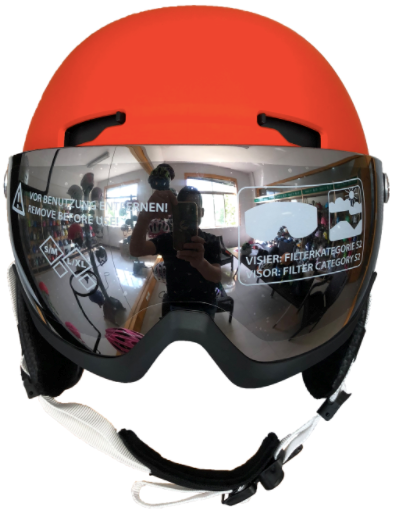
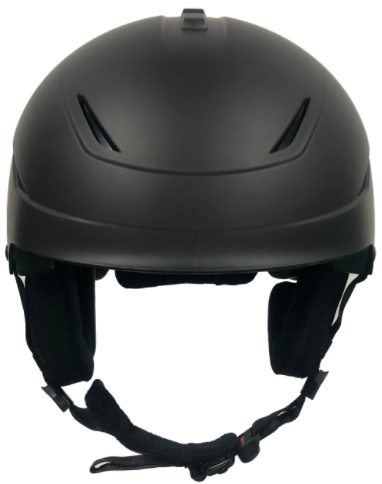
Ski Goggles & Helmets
Source high-performance ski goggles and helmets from vetted Chinese manufacturers and suppliers. This catalog is built for importers, sporting goods distributors, and winter sports brands looking for reliable bulk purchasing, private-label manufacturing, and OEM/ODM production.
Sourcing winter sports protective gear requires balancing optical precision with strict impact safety standards. For ski goggles and helmets, the manufacturing margin of error is virtually zero. Bulk buyers must navigate complex tooling requirements, multi-material assembly processes, and non-negotiable regional safety certifications while maintaining competitive unit economics.
Ski Helmet Construction & Impact Standards
Helmet manufacturing generally falls into three construction methods, each dictating the factory's required machinery, tooling costs, and target retail price point. The core of any helmet is the EPS (Expanded Polystyrene) liner, where density (measured in grams per liter) must be precisely calibrated to pass drop tests.
| Construction Type | Manufacturing Process | Weight & Profile | Ideal Market |
|---|---|---|---|
| In-Mold | PC shell fused directly to EPS foam in the mold | Ultra-lightweight, low profile | Premium recreational, all-mountain |
| Hard Shell (Injection) | ABS shell injection molded, then bonded to EPS | Heavier, highly durable against impacts | Freestyle, rental fleets, entry-level |
| Hybrid | In-mold lower section paired with hard shell upper | Balanced weight and durability | High-end freeride, premium brands |
Safety Certifications
You cannot import ski helmets without documented compliance. Relying on a supplier's verbal assurance is a major risk. Always verify test reports through independent compliance testing before shipping.
- CE EN1077 (Europe): Divided into Class A (full coverage, higher drop test standards) and Class B (half shell, standard coverage).
- ASTM F2040 (North America): Focuses heavily on dynamic strength retention and positional stability.
Navigating complex impact certifications and custom tooling requirements? We help brands secure reliable, compliant production.
Talk to our teamGoggle Optics: Lenses, VLT, and Anti-Fog Tech
Ski goggle manufacturing is fundamentally an optical engineering process. The primary cost drivers are lens shape, material quality, and the complexity of the frame's ventilation system.
Lens Curvature
- Cylindrical: Curved horizontally but flat vertically. Cheaper to manufacture, common in entry-level to mid-tier OEM designs.
- Spherical: Curved on both axes, mimicking the human eye to reduce glare and distortion. Requires more expensive injection molding.
- Toric: A hybrid shape offering the optical clarity of spherical lenses with the lower-profile aesthetic of cylindrical lenses. Currently dominating the premium market.
Anti-Fog and Optical Treatments
High-quality goggles utilize a dual-lens system to create a thermal barrier. The outer lens is typically impact-resistant Polycarbonate (PC), while the inner lens is Cellulose Acetate (CA) treated with a hydrophilic anti-fog coating. Poor lamination between these layers is a frequent manufacturing defect that leads to permanent fogging.
Quality Control Vulnerabilities
Catching defects on the factory floor is critical. Once a container of defective helmets or goggles ships, the capital is largely unrecoverable. Implementing strict quality control & inspection protocols is essential.
Critical Pre-Shipment Inspection Points
- EPS Density Verification: Weighing helmet liners to ensure they meet the approved density specs for impact absorption.
- Lens Distortion Testing: Checking for optical warping, especially on the periphery of spherical and toric lenses.
- Foam Adhesion: Stress-testing the glue bonding the triple-layer face foam to the goggle frame (a common failure point in cold weather).
- Strap Integration: Load-testing goggle strap outriggers and helmet chin strap rivets.
- Magnetic Retention: For quick-change lenses, verifying the pull-force of the N52 magnets to ensure lenses do not detach during a crash.
MOQs, Tooling, and Lead Times
Winter sports manufacturing operates on strict seasonal timelines. Factory capacity fills up rapidly between April and July as brands prepare for the winter retail season.
Custom Tooling (OEM)
If you are pursuing OEM/ODM services for a proprietary helmet design, expect significant upfront capital expenditure. A custom helmet requires unique molds for each size (e.g., Small, Medium, Large). Tooling costs for an in-mold helmet can range from $3,000 to over $8,000 per size, depending on the complexity of the venting system. Goggle frame tooling is generally less expensive but still requires dedicated molds for the TPU frame and PC lenses.
Planning a custom private-label winter sports line? Let us handle factory vetting, tooling negotiation, and production oversight.
Get a free consultationFrequently Asked Questions
Sourcing ski goggles and helmets is a front-loaded process. Success depends entirely on rigorous factory vetting, precise technical specifications, and strict adherence to safety compliance before mass production ever begins. By partnering with experienced sourcing professionals, buyers can mitigate these risks and secure high-performance gear that meets both market demands and regulatory standards.
Get Sourcing Help for Ski Goggles & Helmets
Tell us your requirements and our experts will connect you with verified manufacturers.