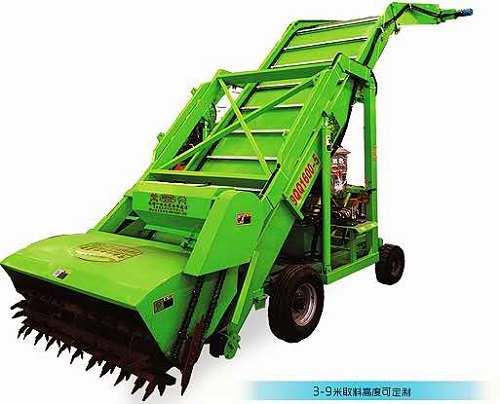
Silos
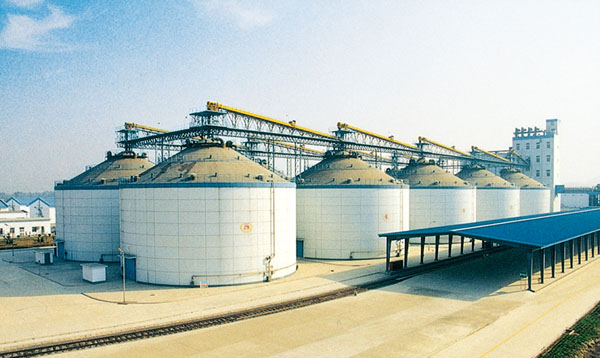
Source commercial-grade silos from vetted manufacturers and suppliers in China and across Asia. Designed for agricultural equipment distributors, industrial importers, and large-scale farming operations, our wholesale network delivers high-capacity storage solutions built to international structural and galvanization standards.
Sourcing agricultural and industrial silos in volume requires balancing heavy structural integrity with cost-effective manufacturing. Because a silo failure is catastrophic—resulting in lost inventory, property damage, and severe safety risks—the margin for error in steel grade, galvanization thickness, and fastener quality is zero. Success in this category means looking past the top-line per-ton capacity and rigorously verifying the manufacturer's raw material supply chain and fabrication tolerances.
Core Specifications and Structural Requirements
When negotiating with silo manufacturers, the technical specifications must be explicitly defined in your purchase order. Relying on a factory's "standard export quality" often leads to premature corrosion or structural fatigue under heavy loads.
Steel Grade and Galvanization
The lifespan of a corrugated steel silo is dictated by its steel quality and the zinc coating applied to it.
- Structural Steel Grade: High-tensile steel is mandatory. Specify grades such as S350GD or equivalent, which offer the necessary yield strength to withstand internal grain pressure and external wind/seismic loads.
- Galvanization Density: Zinc coating weight is the primary defense against rust. A Z275 coating (275 grams of zinc per square meter) is the standard baseline for moderate climates. For coastal regions or high-humidity environments, you must specify Z450 or Z600.
The Zinc Substitution Risk
A common factory shortcut to lower unit prices is utilizing Z275 steel but quoting Z450, or using inferior commercial-grade steel instead of structural-grade. Verifying these specs requires material test reports (MTRs) and independent lab verification before assembly begins.
Silo Base Configurations
The intended use dictates the structural design of the silo base, which drastically alters the manufacturing complexity and structural support requirements.
| Base Type | Primary Application | Typical Capacity | Unloading Mechanism |
|---|---|---|---|
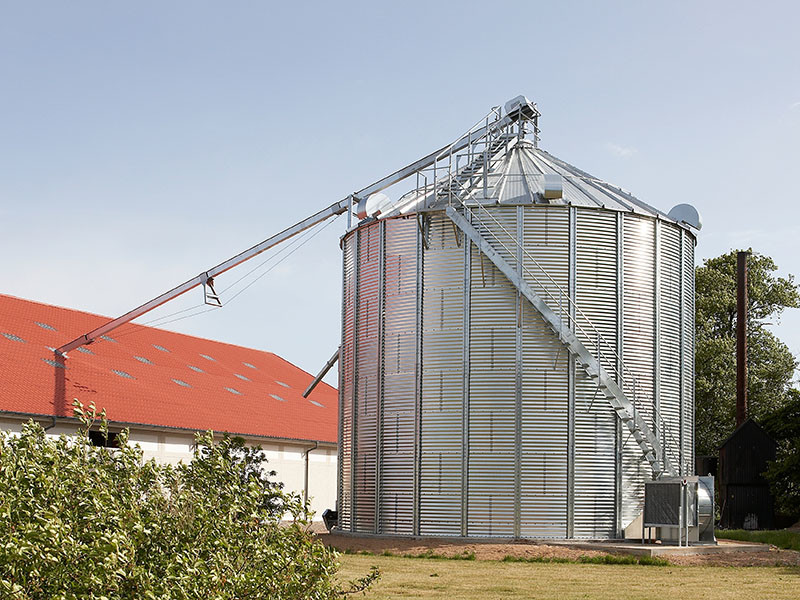
| Flat Bottom | Long-term bulk storage | Over 1,000 tons up to 15,000+ tons | Sweep augers and sub-floor conveyors |
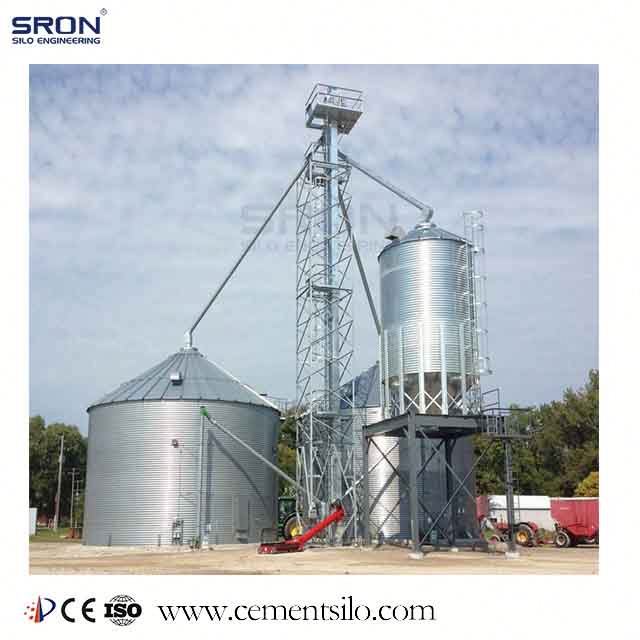
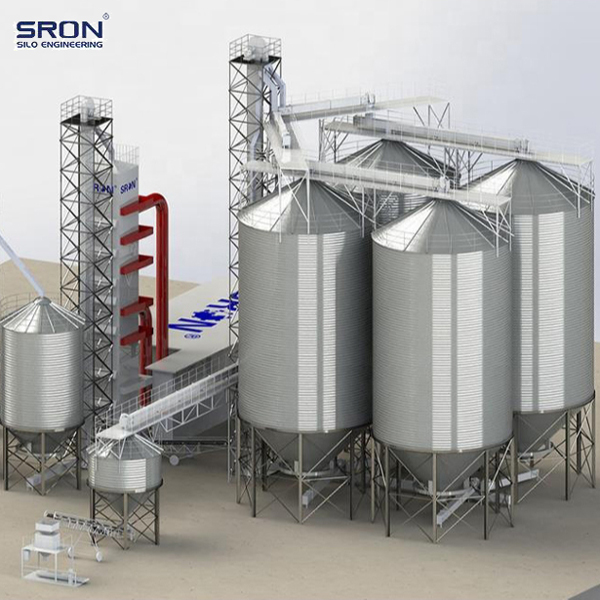
| Hopper Bottom (Cone) | Frequent transfer and temporary holding | Under 1,500 tons | Gravity flow via elevated steel structure |
Navigating structural steel specifications and factory capabilities is complex. Let us help you identify manufacturers with proven track records in heavy agricultural infrastructure.
Discuss your projectManufacturing Tolerances and Quality Control
Silos are shipped knocked-down (KD) and assembled on-site. If the factory's roll-forming and punching machines lack precision, the corrugated sheets will not align properly in the field. This leads to forced assembly, compromised structural integrity, and moisture ingress.
The Fabrication Process
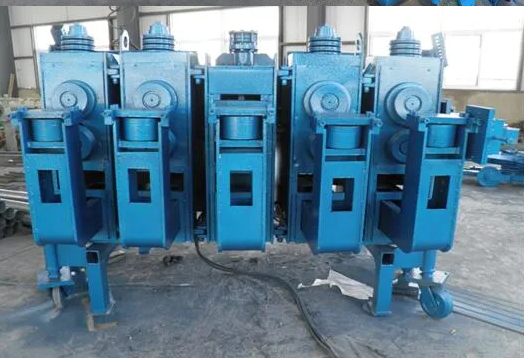
Top-tier manufacturers utilize automated, continuous roll-forming lines with integrated CNC punching. This ensures that every bolt hole is perfectly uniform. When vetting a supplier, their machining capability is just as important as their material sourcing. Conducting thorough factory audits is essential to confirm that the supplier actually owns this heavy machinery and isn't subcontracting fabrication to lower-tier workshops.
Critical Inspection Points
Before any container is loaded, rigorous quality control must be executed at the factory.
Pre-Shipment Inspection Focus Areas
- Zinc coating thickness verification using calibrated magnetic gauges.
- Hole alignment and dimensional tolerance checks on a sample of corrugated sheets.
- Fastener verification: Ensure bolts are minimum Grade 8.8 with Dacromet or equivalent anti-corrosion coating.
- Sealant tape and mastic compound quality and quantity verification.
- Verification of stiffener profiles and thickness against engineered drawings.
Pricing Drivers, MOQs, and Lead Times
The unit economics of sourcing silos are heavily tied to global commodity indices and the logistics of moving heavy, dense materials.
Cost Variables
The primary driver of silo pricing is the current global market price of steel. Quotes are typically valid for a very short window (often 7 to 14 days) due to commodity volatility. The secondary price driver is the galvanization weight; upgrading from Z275 to Z450 will noticeably increase the raw material cost.
MOQs and Production Lead Times
- Minimum Order Quantities (MOQ): Because silos are large capital expenditures, factory MOQs are generally low, often starting at 1 to 2 units for larger capacities. However, purchasing less than a Full Container Load (FCL) makes the freight economics unviable.
- Lead Times: Typical production lead times range from 30 to 45 days, depending on the availability of the specified steel coil and the factory's production queue.
Shipping and Logistics
Silo components are dense and heavy. The challenge is maximizing container space without exceeding the strict weight limits of ocean freight and inland trucking. Proper packing design—nesting corrugated sheets and securing stiffeners—is critical. Coordinating shipping and freight requires careful load planning to optimize the number of containers required per project, directly impacting your total landed cost.
Heavy industrial equipment requires precise supply chain coordination. We manage the factory negotiations, quality inspections, and complex container loading strategies to protect your margins.
Speak to our logistics teamFrequently Asked Questions
Sourcing silos successfully requires treating the purchase not as a standard product transaction, but as an engineered infrastructure project. By strictly defining steel grades, enforcing manufacturing tolerances, and managing the heavy logistics efficiently, you can secure high-performance storage solutions at highly competitive landed costs.
Get Sourcing Help for Silos
Tell us your requirements and our experts will connect you with verified manufacturers.