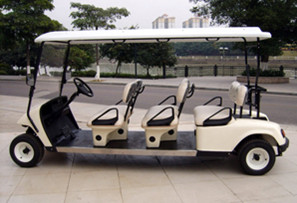
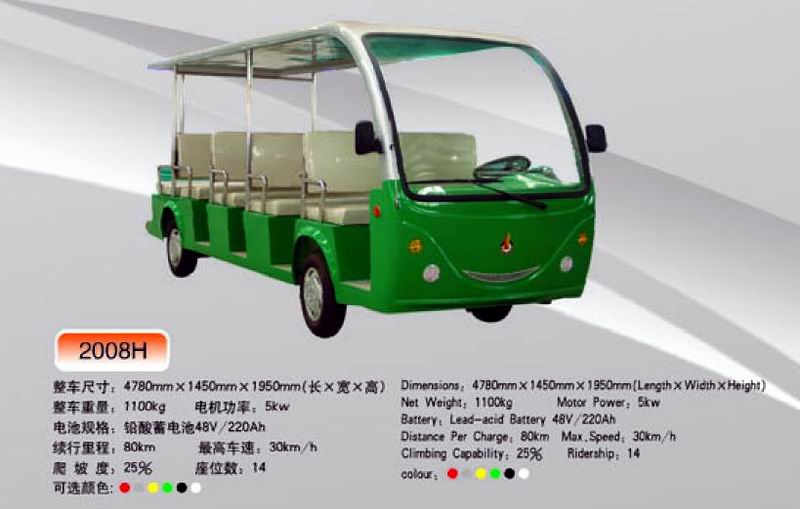
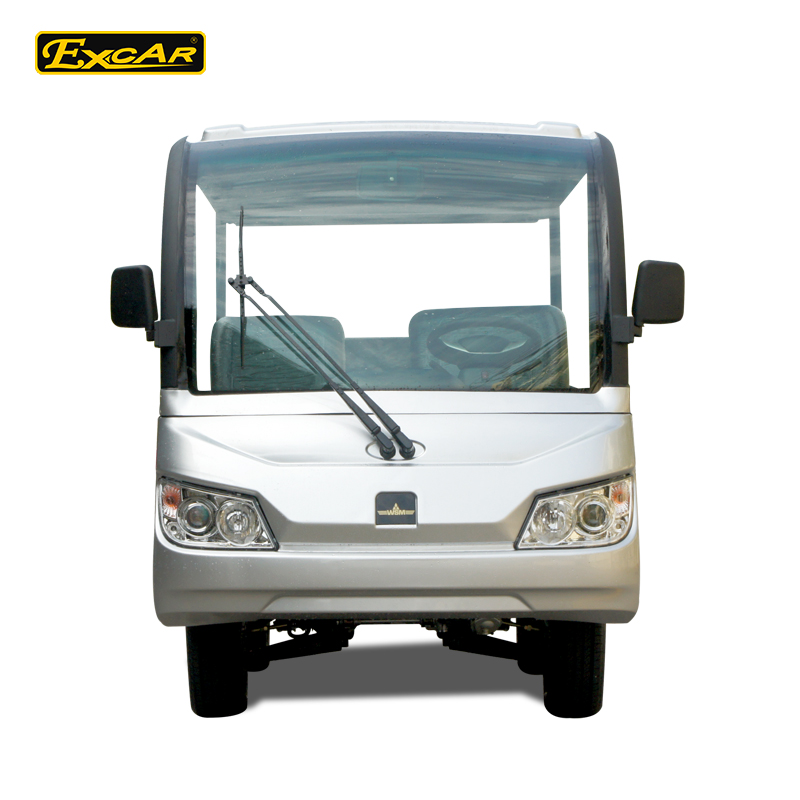
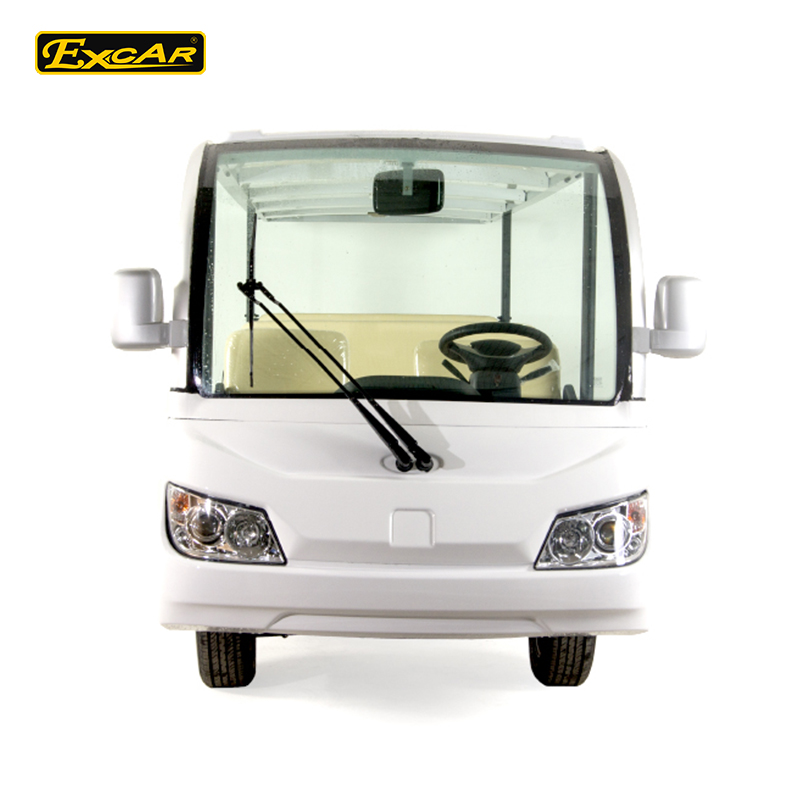
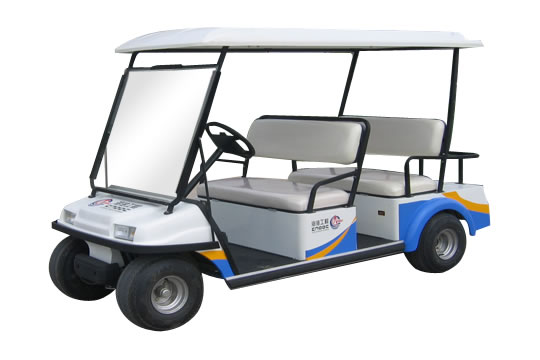
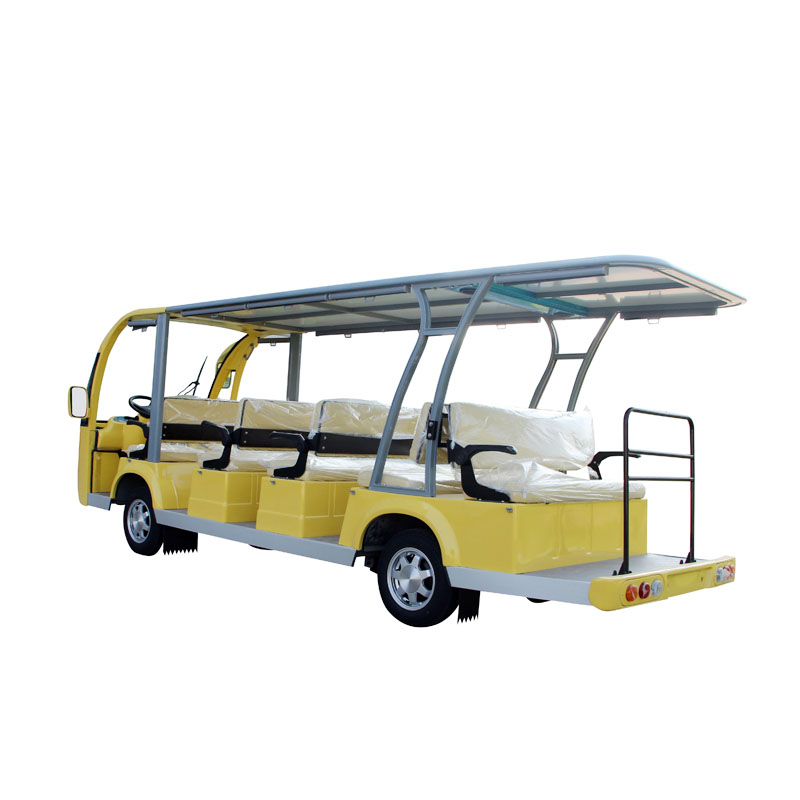
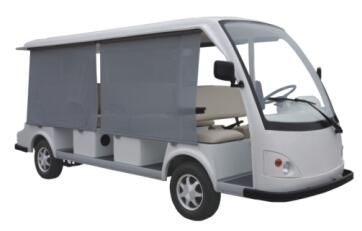
Sightseeing Buses
Source sightseeing buses from vetted manufacturers and wholesale suppliers. Designed for fleet operators, distributors, and importers, our network provides high-volume access to reliable electric and combustion models. Partner with us for custom OEM production and bulk procurement.
Sourcing sightseeing buses at scale requires balancing passenger capacity, powertrain reliability, and strict regional road compliance. Whether you are outfitting a resort fleet, supplying municipal transit projects, or importing specialized tour vehicles, finding a manufacturer capable of delivering consistent build quality and certified components is critical.
Success in this category means looking past surface-level fiberglass aesthetics to scrutinize chassis engineering, battery management systems, and the supplier's true assembly capabilities.
Engineering & Powertrain Specifications
Buyers must specify exact powertrain and chassis configurations before approaching a factory. Most Chinese manufacturers specialize in either low-speed electric vehicles (LSEVs) for closed environments or larger, road-legal combustion and electric buses.
| Specification | Electric (LiFePO4) | Combustion (Gas/Diesel) |
|---|---|---|
| Primary Use Case | Resorts, Parks, Campuses | Steep inclines, Long public routes |
| Maintenance | Minimal (Motor/BMS) | Regular (Engine/Fluids/Transmission) |
| Operating Noise | Near-silent | Moderate to High |
| Lifespan | 2000+ charge cycles | 10+ years with maintenance |
When specifying electric models, lithium iron phosphate (LiFePO4) batteries are the industry standard for commercial fleets due to their thermal stability and longevity. Avoid suppliers still pushing lead-acid batteries for anything other than extreme budget constraints. Furthermore, specify the motor controller brand; internationally recognized brands like Curtis or Toyota offer better reliability and easier local servicing than unbranded domestic controllers.
Manufacturing Realities & Factory Vetting
The durability of a sightseeing bus is determined on the welding floor and in the molding facility. Because many suppliers assemble components sourced from third parties (motors, controllers, axles), conducting thorough factory audits is non-negotiable to verify that the supplier actually controls the final assembly and testing processes.
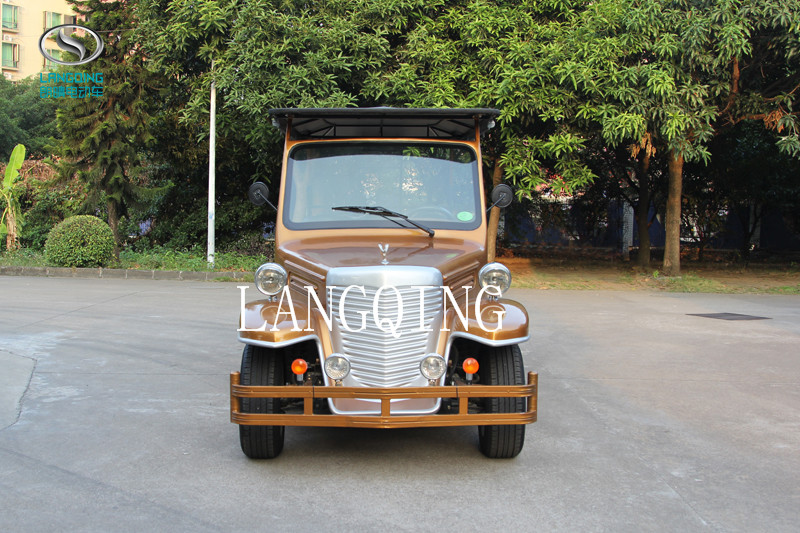
Pay close attention to the chassis anti-corrosion treatment. Hot-dip galvanizing is essential; standard spray painting will lead to rust within two years, especially in humid or coastal resort environments.
Critical Quality Control Checks for Sightseeing Buses
- Chassis Treatment: Verify hot-dip galvanizing thickness on the steel frame.
- FRP Molding: Inspect fiberglass reinforced plastic for uniform thickness and gel-coat finish.
- BMS Integration: Test the Battery Management System for accurate voltage cutoffs and thermal monitoring.
- Braking Systems: Ensure hydraulic dual-circuit brakes are properly bled and tested under full load.
- Wiring Harness: Check for automotive-grade, waterproof connectors (IP67 rating) on all exposed wiring.
Need reliable bus manufacturers? Let our engineers handle the sourcing and factory vetting.
Talk to our teamLogistics, Shipping, and Assembly Formats
Moving heavy vehicles internationally is a primary cost driver. Sightseeing buses can be shipped in three formats, which drastically impact your landed cost:
- Completely Built Up (CBU): The vehicle is fully assembled. This requires Roll-on/Roll-off (RoRo) vessels or flat rack containers, which are highly expensive.
- Semi Knocked Down (SKD): The body and chassis are shipped partially disassembled.
- Completely Knocked Down (CKD): Parts are shipped entirely flat-packed.
SKD and CKD formats allow packing multiple units into standard 40HQ containers, drastically reducing freight costs, but they require you to have local assembly capabilities. Managing shipping and freight for these dimensions requires specialized forwarding expertise to optimize container space and avoid port delays.
Pricing, MOQs, and Lead Times
Pricing is highly volatile based on battery capacity (kWh), passenger capacity, and interior finishes. Customization for private-label projects—such as custom fiberglass molds, specific seating configurations, or branded liveries—will increase lead times and may require tooling fees.
Optimize your landed costs with expert freight consolidation and supplier negotiation.
Get a free consultationFrequently Asked Questions
Procuring sightseeing buses is a capital-intensive process where chassis integrity, powertrain reliability, and logistics strategy directly impact your operational uptime. By rigorously vetting assembly processes and optimizing your shipping format, you can secure high-quality fleets at competitive bulk margins.
Get Sourcing Help for Sightseeing Buses
Tell us your requirements and our experts will connect you with verified manufacturers.