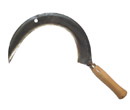
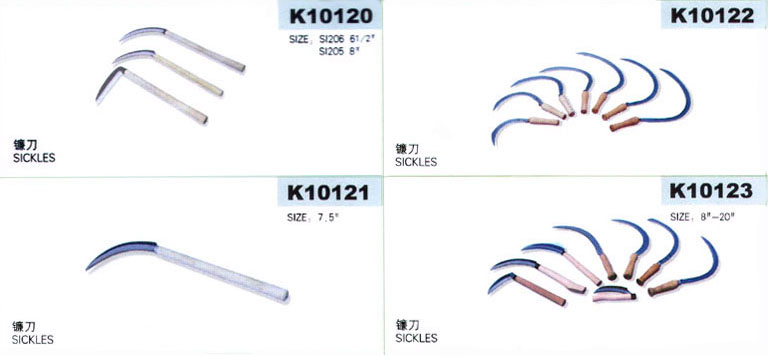
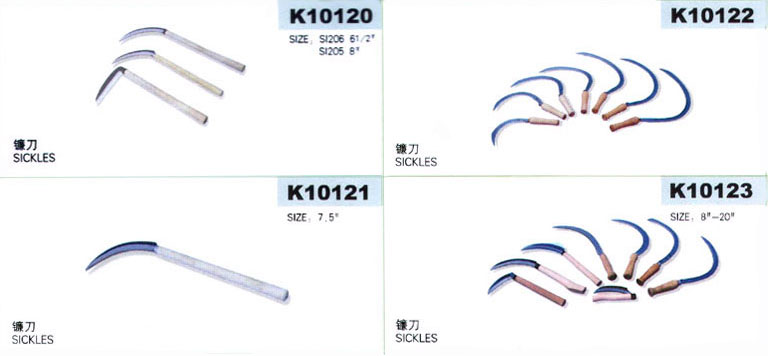
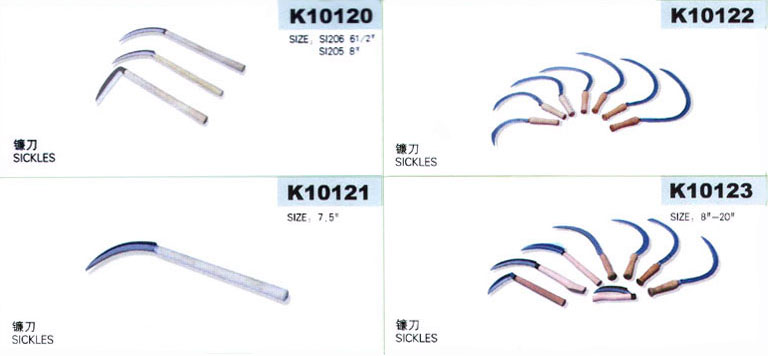
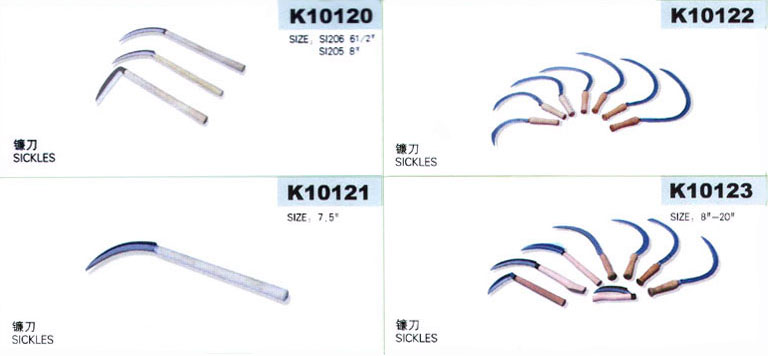
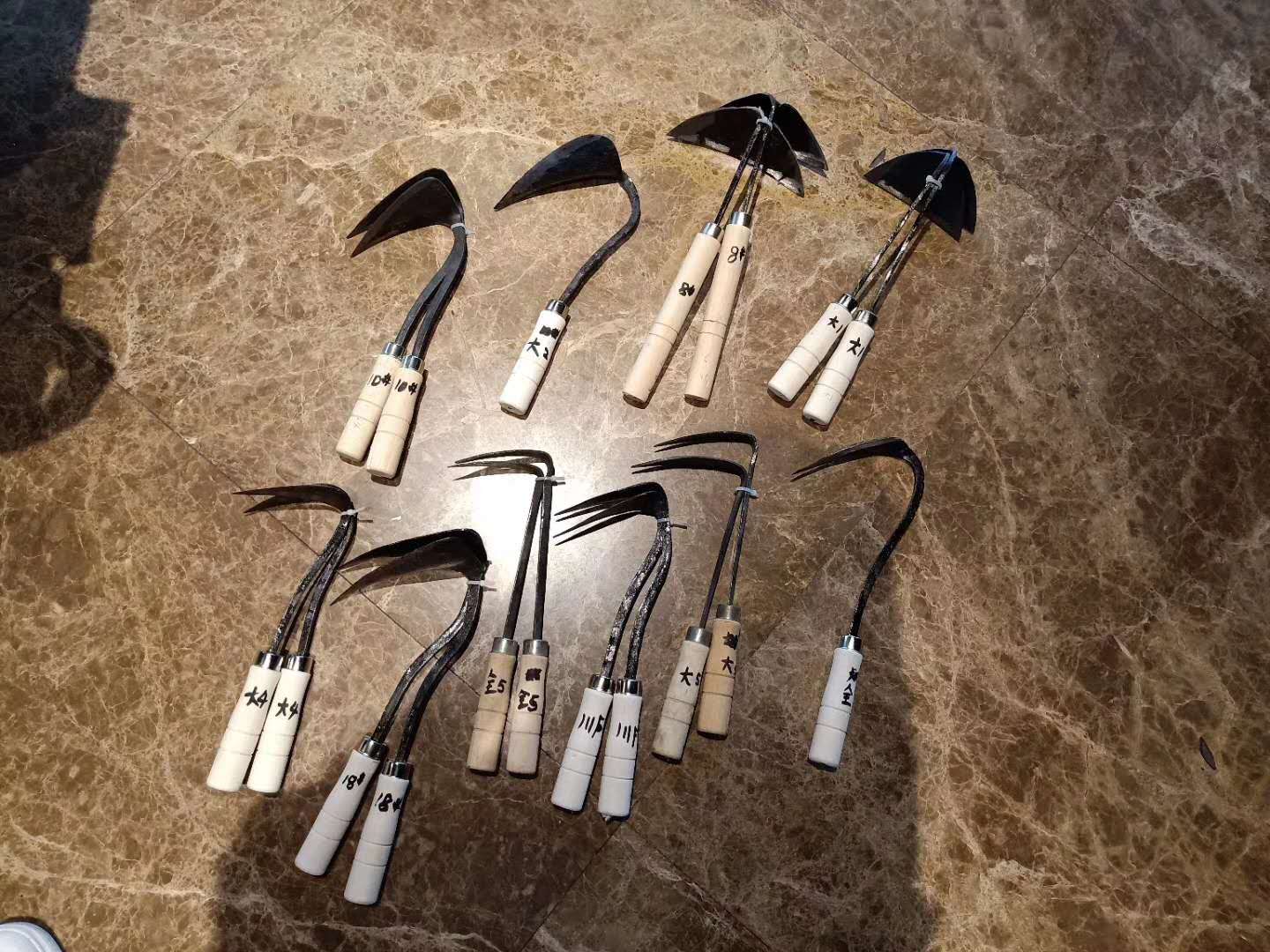
Sickles
Source high-quality sickles directly from vetted manufacturers and wholesale suppliers. Built for agricultural importers, hardware distributors, and brands, our network supports bulk procurement and custom OEM/private-label production. Secure competitive pricing, reliable quality, and scalable manufacturing.
Sourcing agricultural hand tools in volume requires navigating a highly fragmented manufacturing landscape. While the sickle is a fundamentally simple tool, its performance relies entirely on the quality of its metallurgy, the consistency of its heat treatment, and the durability of its handle assembly. For importers and hardware distributors, securing a reliable supply chain means looking past surface finishes to verify the factory's core manufacturing capabilities.
Blade Metallurgy and Specifications
The steel grade dictates the tool's edge retention, ease of sharpening, and resistance to chipping. When specifying production requirements, you must clearly define the material and the target hardness.
| Steel Type | Characteristics | Typical Application |
|---|---|---|
| 65Mn (Manganese Steel) | Excellent toughness, good edge retention, vulnerable to rust. | Standard agricultural clearing and harvesting. |
| High-Carbon Steel (e.g., T10) | Very hard, takes a razor edge, can be brittle if improperly tempered. | Heavy-duty brush clearing. |
| Stainless Steel (e.g., 3Cr13) | Corrosion-resistant, softer edge, requires frequent sharpening. | Light gardening, damp environments. |
Target a Rockwell Hardness (HRC) between 45 and 55. Hardness over 55 HRC makes the blade too brittle for impact against hidden rocks or thick stalks, while anything under 45 HRC will require constant sharpening in the field.
Manufacturing Process and Quality Control
The difference between a premium tool and a disposable one is determined on the factory floor, particularly during heat treatment and assembly.
Forging vs. Stamping
Many low-cost sickles are stamped from sheet steel. While cost-effective for light-duty grass hooks, stamped blades lack the structural integrity required for heavy agricultural use. Drop-forged blades offer superior grain structure and durability. When vetting suppliers, verify their forging capabilities; conducting proper Factory Audits is the best way to ensure they have the heavy machinery and process control they claim.
Heat Treatment Consistency
Inconsistent heat treatment is the most common failure point in hand tool manufacturing. A factory must have precise temperature controls during the quenching and tempering phases. If the blade is quenched unevenly, it will warp or develop internal stresses that lead to catastrophic failure during use.
Struggling with inconsistent blade quality from your current supplier? Let us help you identify and transition to vetted manufacturers with strict metallurgical controls.
Talk to our teamHandle and Tang Construction
The connection between the blade and the handle takes the brunt of the tool's leverage.
- Full Tang: The steel extends through the entire handle, secured by rivets. This is mandatory for heavy-duty applications.
- Rat-Tail Tang: The steel narrows and is glued or friction-fit into a wooden handle. Acceptable for light agricultural work, but prone to loosening if the wood shrinks.
For brands looking to differentiate their product lines, utilizing OEM/ODM Services allows you to specify custom ergonomic handle molds (using TPR or fiberglass-reinforced nylon) and specific tang structures tailored to your market's demands.
Pre-Shipment Inspection Focus Areas
- Hardness testing (HRC) on multiple points along the blade edge.
- Visual inspection for micro-cracks along the spine and edge.
- Pull testing on the handle assembly to ensure tang security.
- Verification of edge bevel angle and uniformity.
- Checking for proper application of anti-rust oil or powder coating.
Implementing rigorous Quality Control & Inspection prior to container loading ensures that issues like loose handles or improper grinds are caught before they reach your distribution center.
Pricing, MOQs, and Lead Times
Sourcing sickles in bulk involves balancing unit costs with minimum order quantities and seasonal demand cycles. Agricultural tools often see spikes in demand prior to harvest seasons, meaning production schedules must be planned well in advance.
Custom molds for synthetic handles or stamped logos on the blade will typically require a tooling fee, though many factories will amortize or refund this cost once cumulative order volumes reach a specific threshold (often over 10,000 units).
Need to negotiate better terms or consolidate shipments from multiple hand tool suppliers? We manage the entire procurement and logistics process for you.
Get a free consultationFrequently Asked Questions
Successfully sourcing sickles and other agricultural hand tools requires moving beyond catalog browsing to actively managing material specifications and factory-level quality controls. By partnering with experienced sourcing professionals, you can ensure your procurement strategy delivers reliable products that stand up to the rigors of the field.
Get Sourcing Help for Sickles
Tell us your requirements and our experts will connect you with verified manufacturers.